When a menu became a moving price list
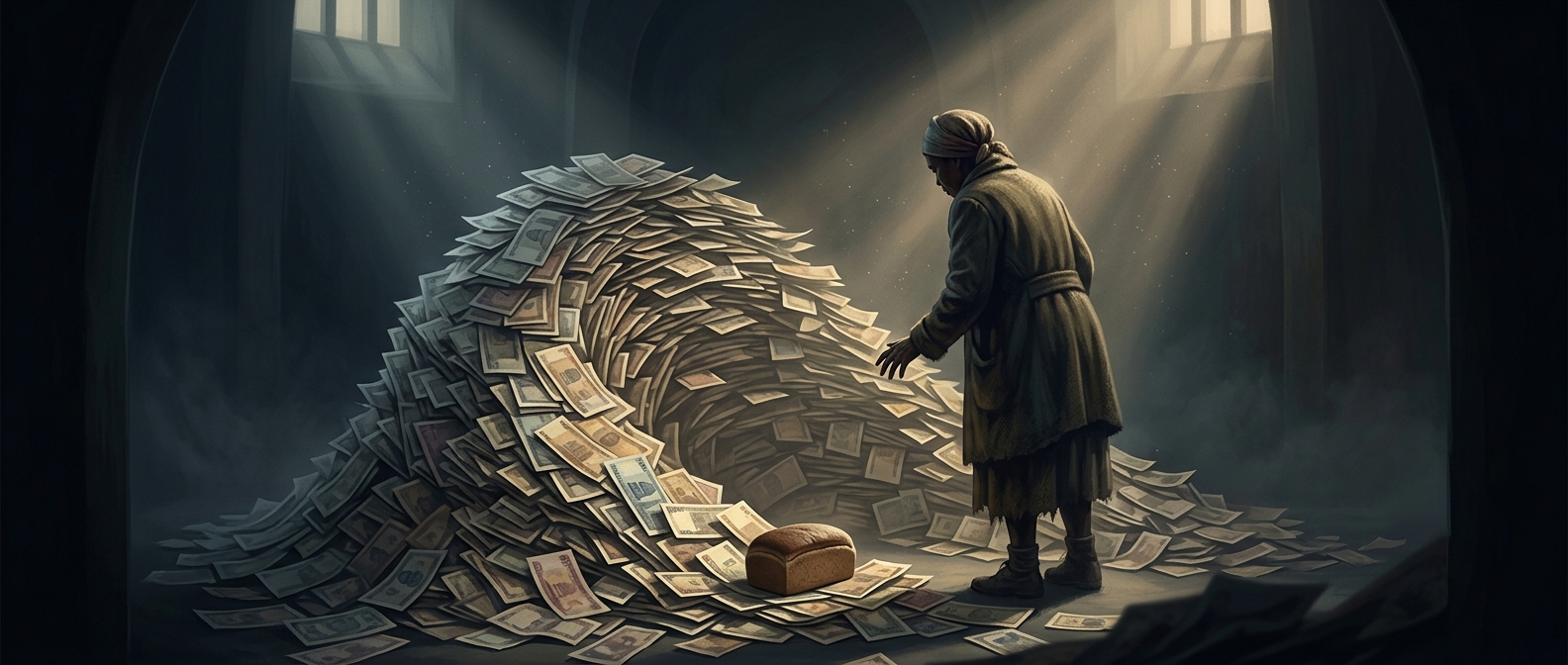
In an economy where prices are rising extremely fast, a printed menu can go stale between the time it is handed over and the time a customer pays. The dish has not changed; the money used to buy it has lost purchasing power. A restaurant that waits too long to update its prices may collect a bill that no longer covers what it will cost to replace the food or pay its other expenses.
Why the price could change mid-meal
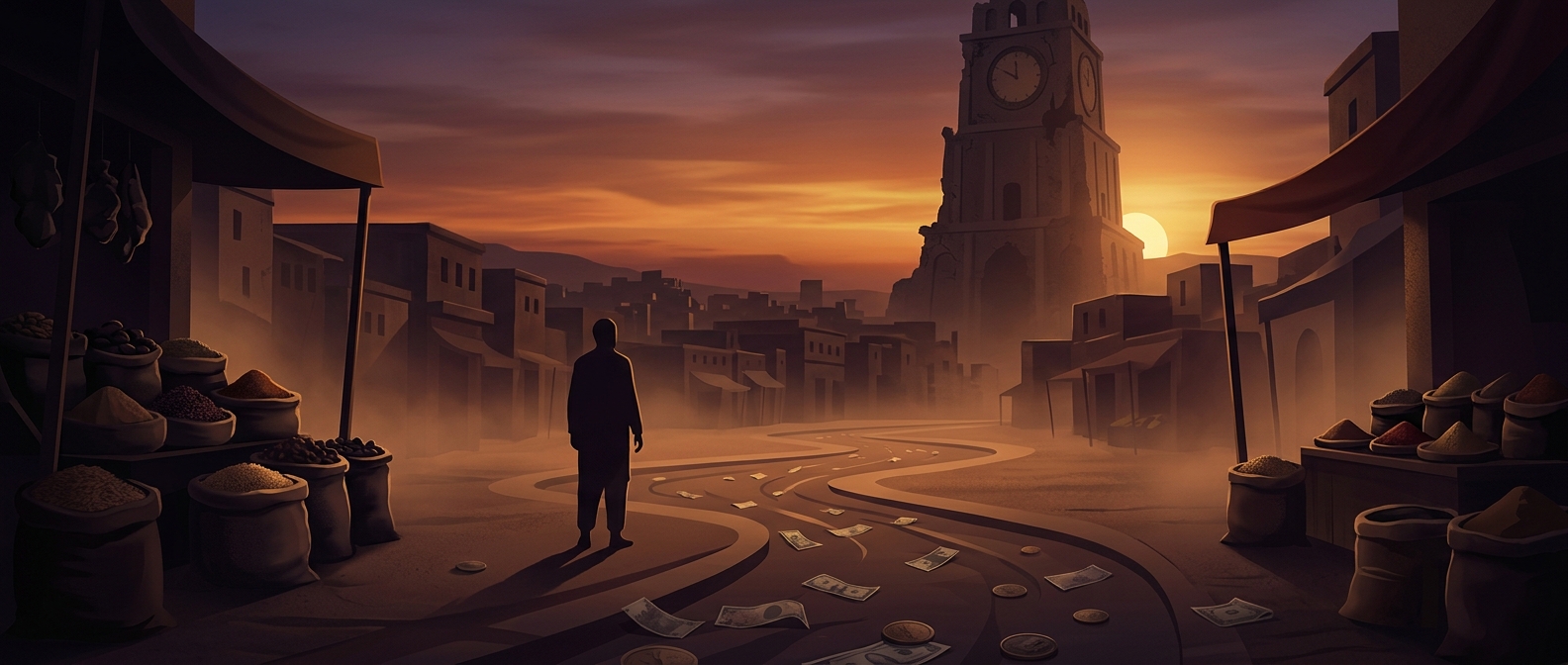
The practical response is frequent repricing. A restaurant may post new prices during the day, attach a current price list, or calculate the charge using the rate in force when the order is settled. That turns the menu from a dependable promise into a snapshot of prices at one moment.
For diners, the uncertainty is immediate: the cost of a meal can rise while they are still eating. Paying before sitting down can lock in the amount under the prices then in effect, rather than leaving the final bill exposed to another change. It shifts the risk of waiting from the restaurant to the customer.
A small transaction reveals a larger problem
Changing a menu is a visible symptom of a deeper breakdown in money’s role as a stable measure of value. Businesses have to keep recalculating what goods are worth, while customers cannot assume that the price they saw will still apply later. When even lunch must be priced in real time, an ordinary purchase becomes a race against the next change.