How Hungary’s Money Lost Its Meaning in 1946
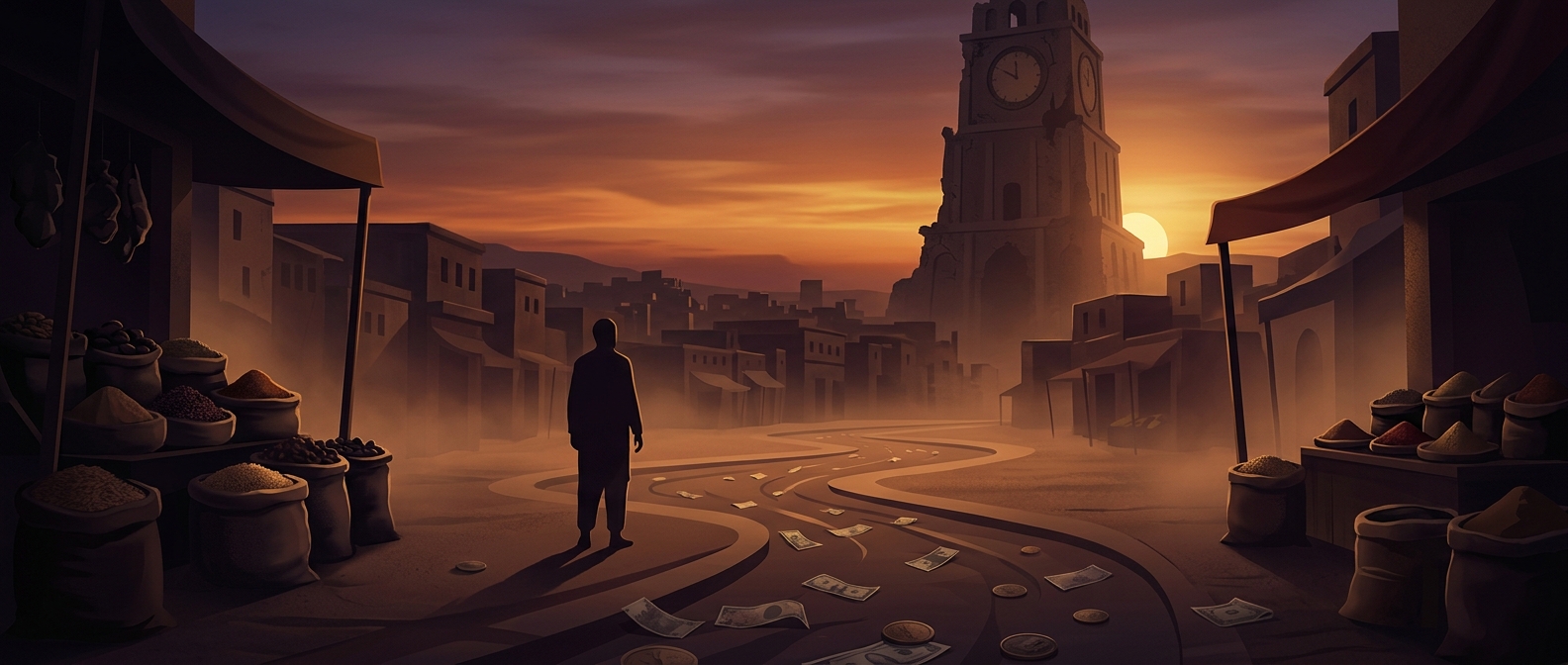
After World War II, Hungary faced a wrecked economy: factories and transport links were damaged, goods were scarce, and the state had enormous financial obligations. The government still needed money to pay workers and buy supplies, but tax revenue and production could not keep pace. It increasingly relied on issuing pengő, the country’s currency. More notes chased fewer goods, and sellers raised prices to keep up.
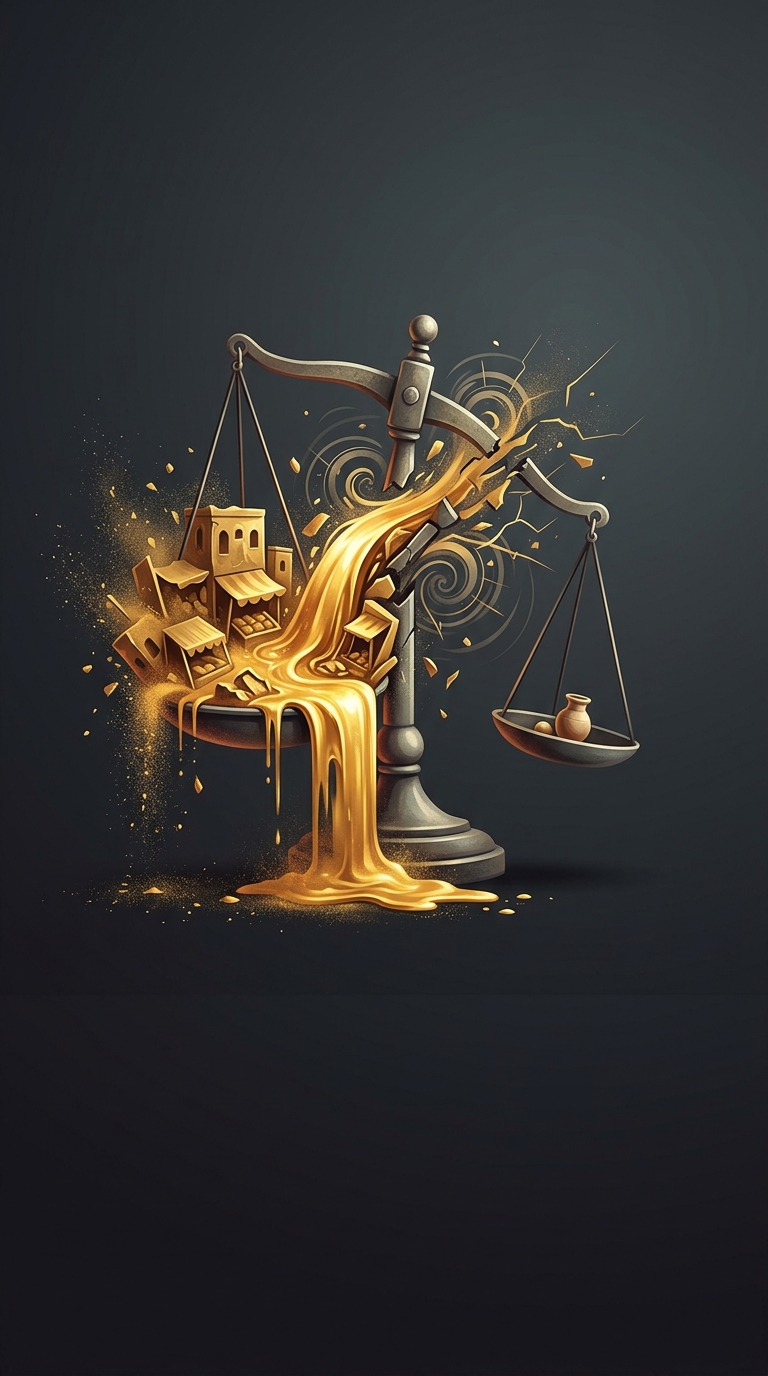
That process fed on itself. As prices climbed, each pengő bought less, so people tried to spend their wages quickly—before the next increase. That rush made money move faster through the economy, while the government printed ever more of it to cover expenses. Prices then rose faster still. The currency was not merely losing value; it was losing its usefulness as a way to set prices or save for later.
Why Prices Could Change Within a Day
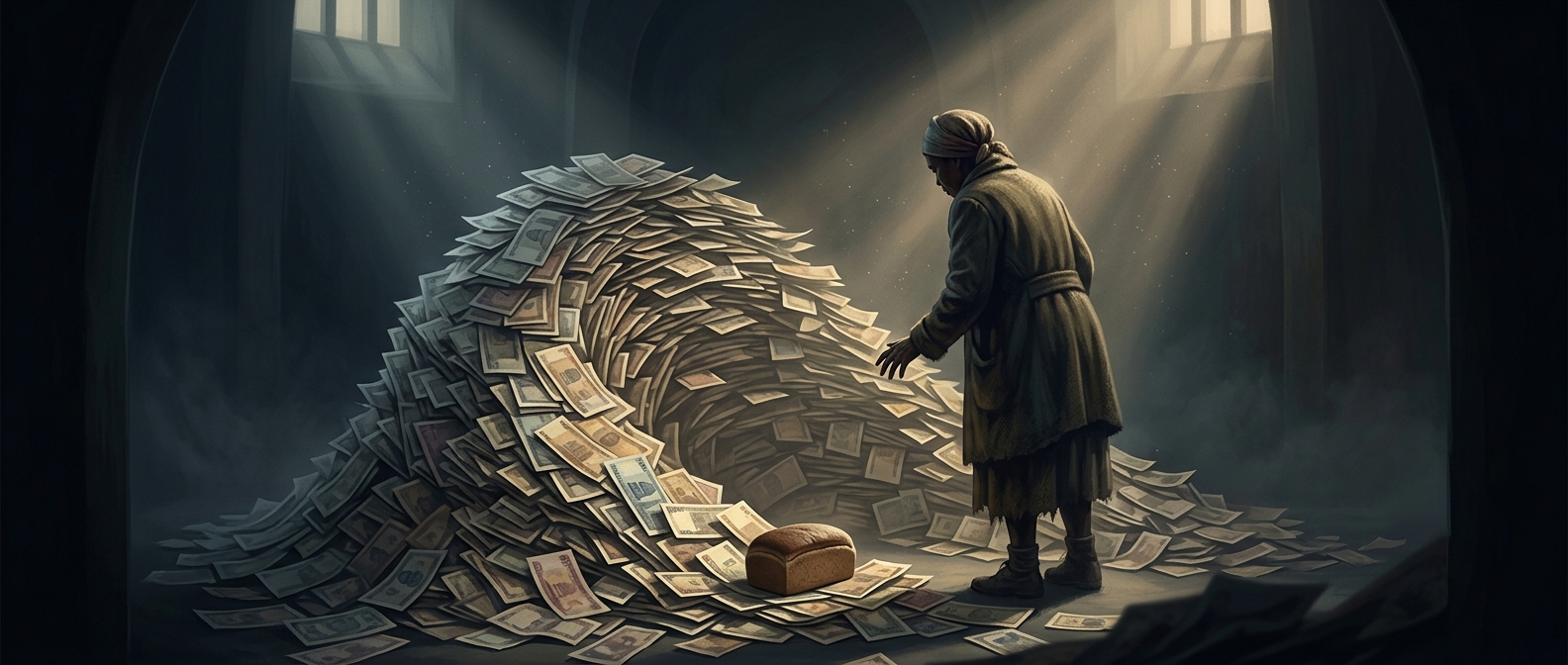
In ordinary inflation, businesses may adjust prices periodically. During hyperinflation, the value of money can collapse so quickly that waiting even a few hours means accepting less for the same goods. Shops had to revise prices repeatedly, and pay packets could become inadequate almost as soon as workers received them. The headline monthly rate captures the scale: at 41.9 quadrillion percent, a price could double between morning and evening.
A rate that enormous is hard to picture because familiar percentages stop being intuitive. It does not mean every item had one fixed price increase, or that every household experienced identical prices. It describes the speed at which the overall price level was rising—and why a sum that seemed large at breakfast could be nearly worthless by dinner.
The Cost of a Broken Unit of Account
When money cannot reliably hold value, daily exchange becomes a scramble. People may spend immediately, barter, or seek goods and currencies they trust more. Savings and wages are especially exposed: the amount written on a banknote or paycheck stays the same while its purchasing power drains away. Hungary’s episode shows how inflation becomes a crisis of coordination, not just higher price tags: people and businesses lose the stable measure they need to plan even one day ahead.