Why a Dollar Could Feel Safer Than a Bank Account
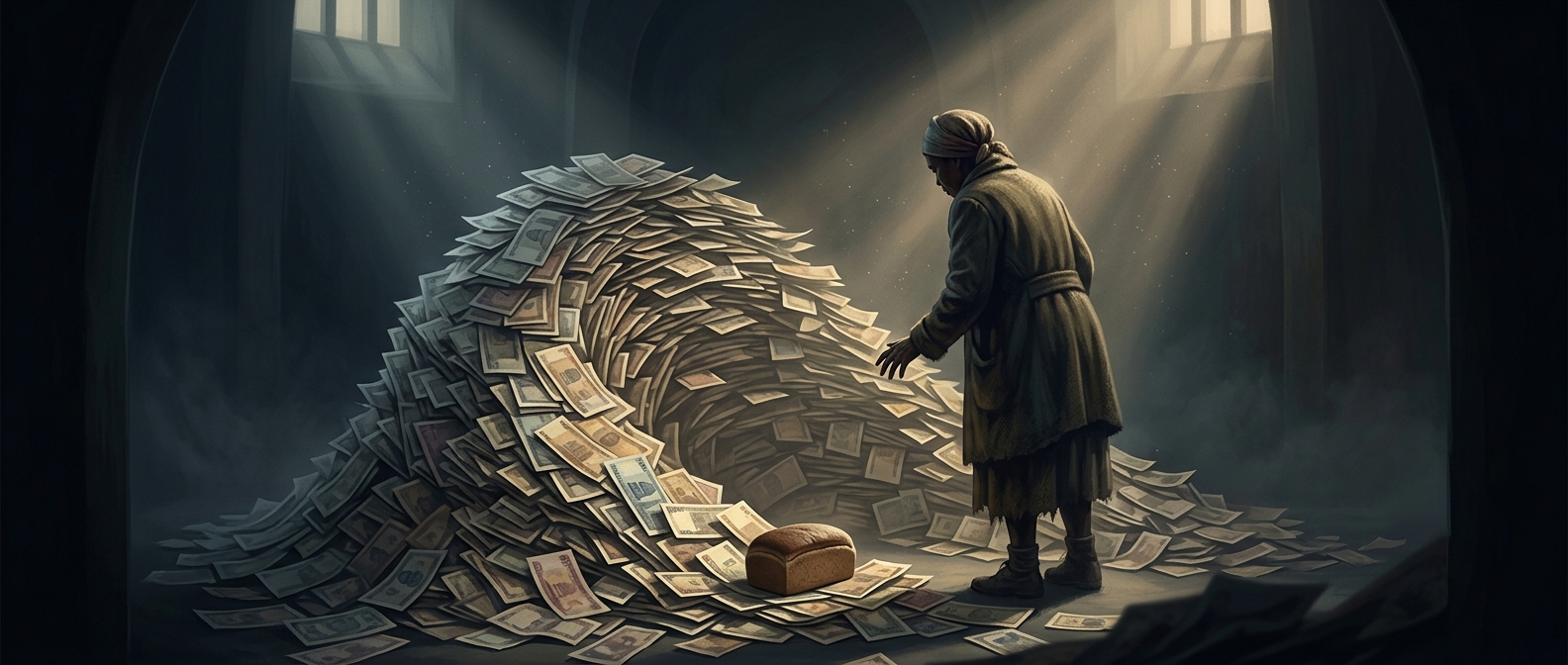
When prices rise faster than wages or savings, holding money in the local currency becomes a race against time. A ruble amount that buys a week’s groceries today may buy less later. Dollars offered a different kind of protection: if the ruble weakened against the dollar, the dollar value of those savings could translate back into more rubles—and preserve more purchasing power—when spent.
That did not make dollars immune to change. Their appeal was relative: people were betting that the ruble would lose value faster than the dollar, not that the dollar’s buying power would never fall.
Why Keep the Cash at Home?
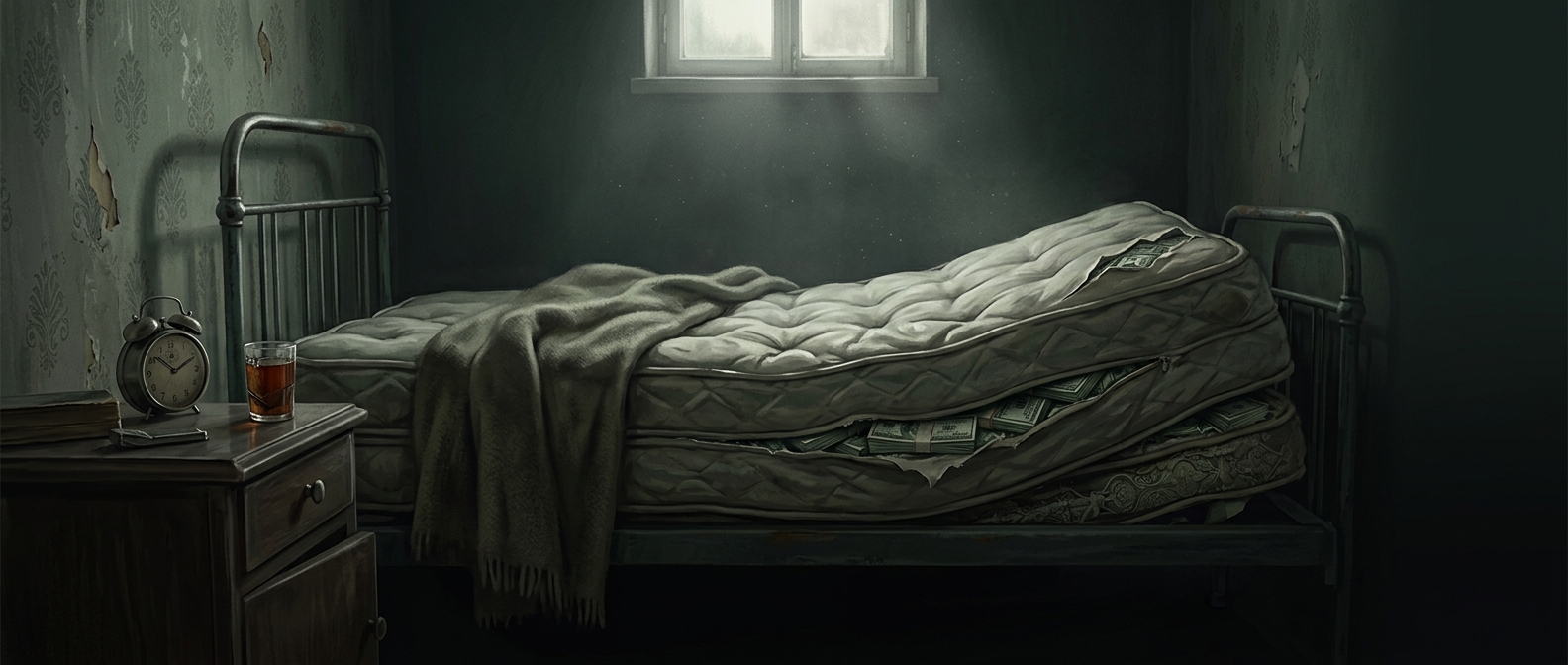
A bank deposit is a promise to return money later, and its usefulness depends on trust in the bank, access to withdrawals, and the stability of the financial system. Physical dollars put the savings directly in the owner’s hands. In uncertain times, that control could matter as much as the exchange rate.
This behavior is a form of informal dollarization: people use a foreign currency to store value, even when daily expenses and wages are mainly in the domestic currency. The bills did not need to circulate constantly; they could sit untouched until a large purchase or an emergency made it useful to exchange them.
The Tradeoff Behind the Mattress
Cash at home avoided some risks of banks, but created others. It could be stolen, lost, or damaged, and it earned no interest. Owners also had to find a buyer or exchange service when they wanted to turn dollars back into rubles. A household was choosing between visible risks—such as a weakening currency or a bank it did not trust—and the practical dangers of keeping savings in physical form.
The mattress was not a financial institution. It was a household’s attempt to hold a form of money that seemed more dependable than the one losing value around it.