A Life Stage Changes in a Flash
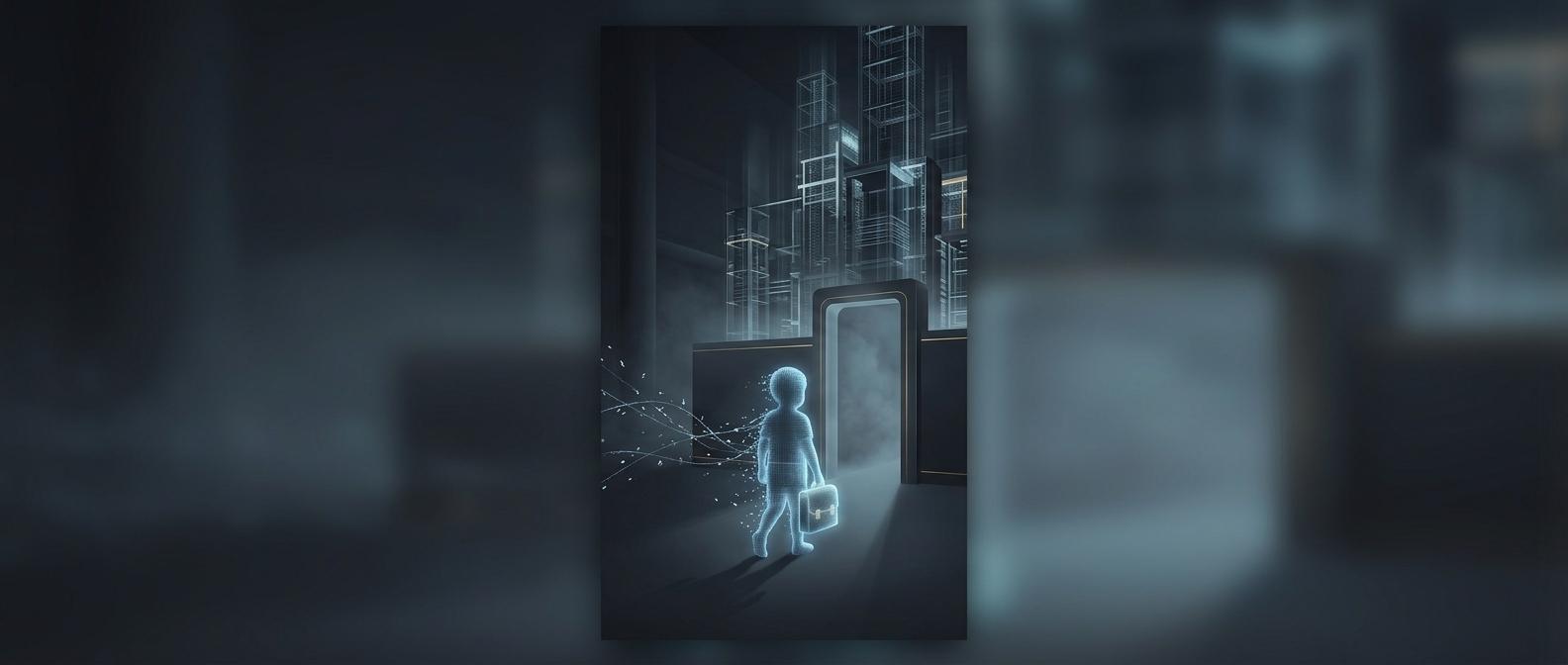
The sparkles are more than decoration: they mark a switch from one stage of the game’s life simulation to another. Instead of showing a baby gradually growing taller or learning to walk, The Sims moves the character to a new age state in a brief, celebratory animation.
That jump changes what the character can do. A baby depends on adults for care; a child can move around and take part in a different set of activities. The game can therefore change the Sim’s abilities and interactions at once, without simulating every day of physical development in between.
Why the Transition Feels So Sudden
A life simulation has to balance the passage of time with playable decisions. If every developmental change unfolded gradually, players might wait through long stretches in which little changed—or have to manage many tiny milestones. A quick age-up keeps the focus on the new stage and makes the change unmistakable: one moment the Sim is bundled up, and the next, the household has a child to look after.
The result is a tiny visual shorthand for a much larger change in play. The sparkles disappear quickly; the new age stage reshapes the family’s routines.