A creature can change the map just by bleeding
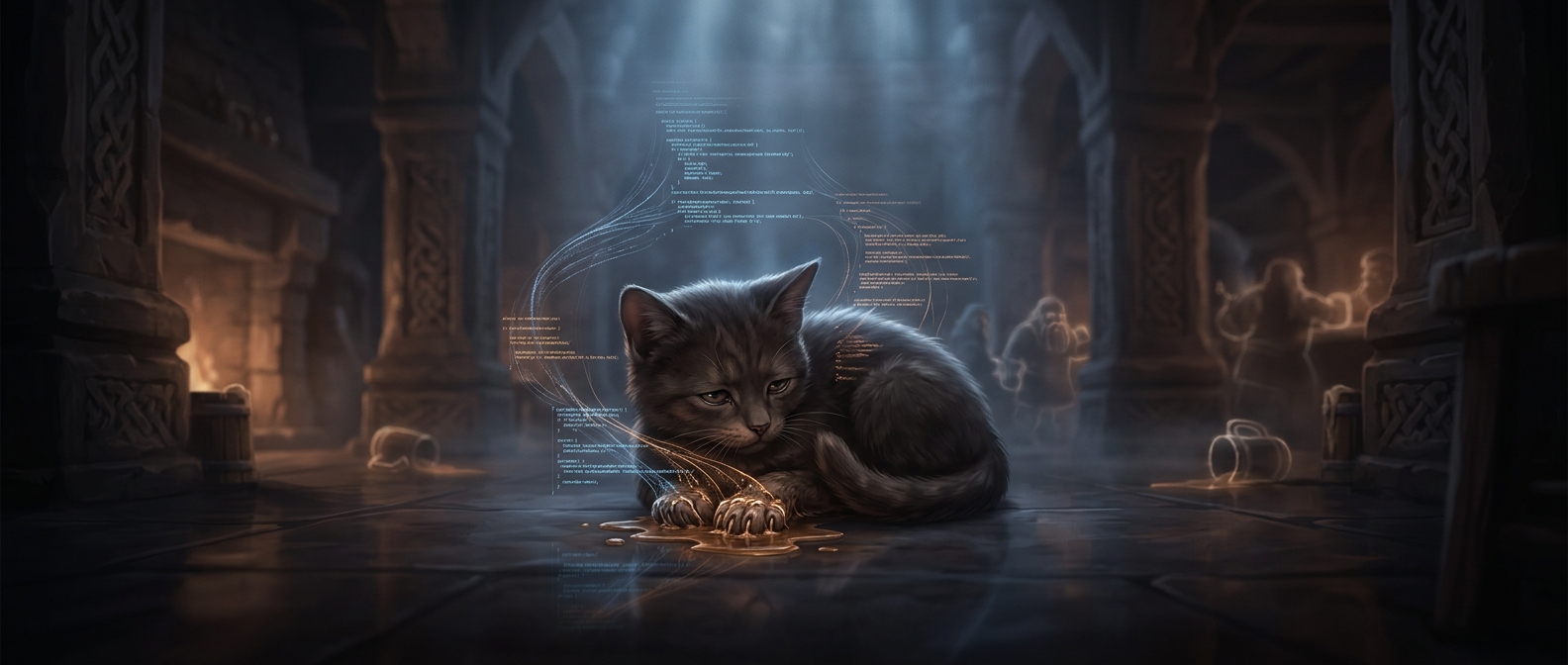
In Dwarf Fortress, a monster is not merely an enemy with a health bar. Its body is built from materials, and those materials have physical properties—including how they respond to heat. The same temperature rules that affect the creature can affect what touches it: blood or other bodily fluids can land on a surface and interact with nearby ice, water, or other substances.
That makes a fight capable of changing the terrain. If a hot creature’s fluid reaches a cold enough patch of ice, the ice can melt into water. The puddle is not a decorative effect; it becomes part of the world’s ongoing simulation, with consequences for creatures that step into it.
Small rules can make large hazards
The danger comes from the chain of effects, not from a special scripted event. A puddle can spread or collect in a low area, and a dwarf who cannot swim may drown in water that began as a by-product of combat. The game does not need to decide in advance that this particular monster should flood a particular tunnel. It applies material and fluid rules, then lets the resulting situation unfold.
That approach is what makes Dwarf Fortress’s ecology feel less like a collection of encounters and more like a working terrarium. A creature’s traits can matter outside the moment of attack: its body may alter the surroundings, and those altered surroundings can endanger people who never fought it.
The simulation’s memorable tradeoff
This depth gives players stories that feel discovered rather than authored, but it also means an ordinary-looking patch of floor may conceal a serious hazard. The useful question is not only “Can the miners kill the beast?” but “What will its body leave behind?” In a game where the answer may be a puddle, the battlefield can remain dangerous after the monster is gone.