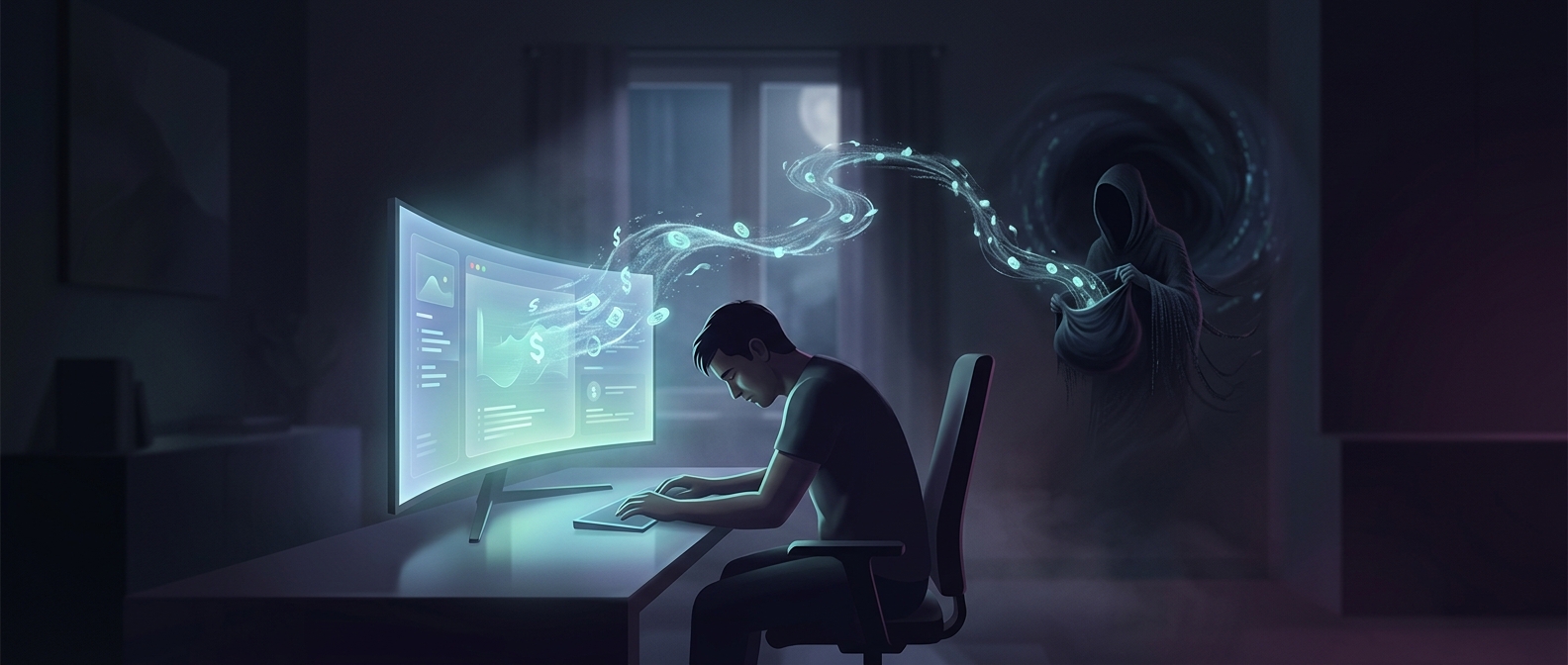
A bedtime turns the day into a deadline
In a farming game, the clock is more than scenery. It sets the length of a workday: planting, watering, fishing, mining, and walking all consume in-game time. A late-night cutoff gives those activities a shared limit. Without one, players could keep working indefinitely, and the choice of what to do today would matter less.
The penalty makes the clock consequential. When a character passes out, the game can charge money or impose another setback, turning “one more task” into a small gamble. The exact cost varies by game, but the underlying design is the same: staying out late may be worth it, yet it is not free.
The clock creates a planning puzzle
A player has to weigh not just what an activity yields, but how long it takes and how far the character must travel afterward. A mine might offer valuable materials, for example, but a long trip back can leave too little time to get home before the cutoff. That makes route planning and stopping decisions part of the farming loop, rather than chores outside it.
The rule also gives days a clear shape. Players can start fresh the next morning instead of carrying an endless session forward, while a possible bill makes a missed deadline noticeable. The punishment is what makes the bedtime feel like a choice: the game lets you stay up, but asks you to accept the cost.