The operation is a physics puzzle, not a medical simulation
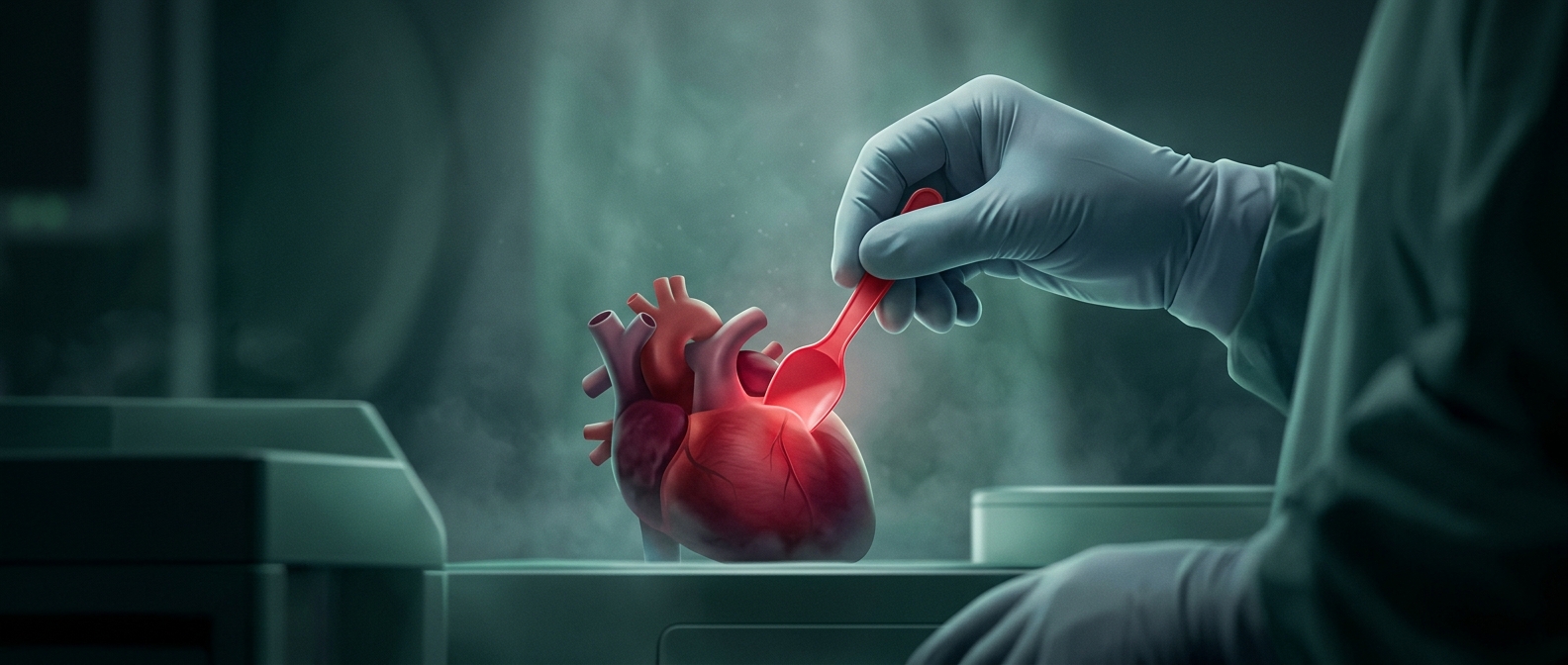
The joke works because the game makes the player control a hand and its tools rather than choose clean, pre-scripted surgical actions. A spoon is not recognized as “the wrong instrument” and rejected; it is an object that can collide with the patient. Once the game’s physics take over, an awkward swing can do damage just as a careful movement can move a tool into position.
That turns a familiar task into a chain of improvised physical problems. The player must get objects where they need to go while a clumsy hand, loose instruments, and the patient’s condition complicate each move. Precision is difficult not because the player lacks a medical checklist, but because controlling the hand itself is the challenge.
Why the absurd result can still count
The operation’s objective is ultimately a game goal: complete the transplant under the rules the game tracks. Those rules allow a gap between performing surgery plausibly and reaching the required outcome. A rib cage can take ridiculous damage, yet the transplant can still register as a success if the player completes the essential task.
That gap is the source of the comedy—and a design choice. If every mistake immediately ended the attempt, the game would become a strict test of precision. Letting players recover makes room for unpredictable accidents, desperate improvisation, and victories that feel more like slapstick than medicine.