Why a practice schedule can follow players to bed
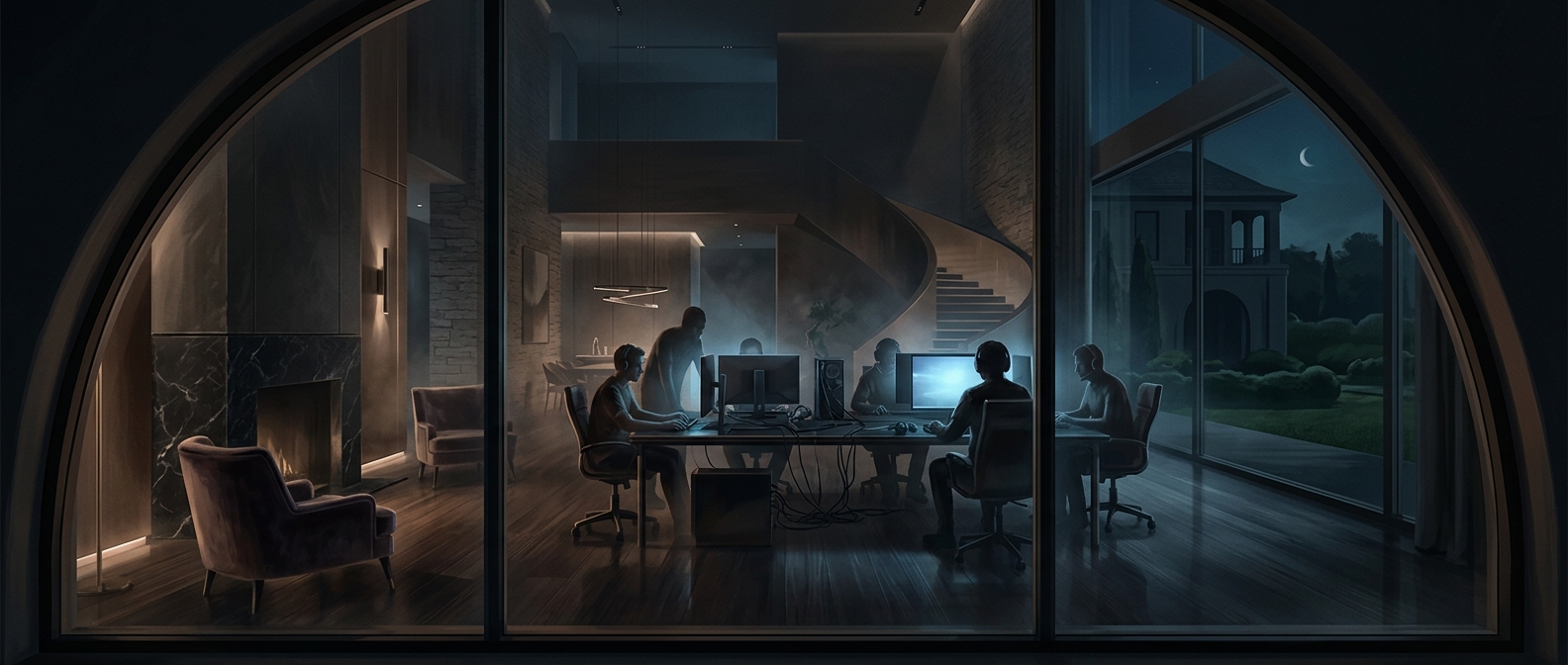
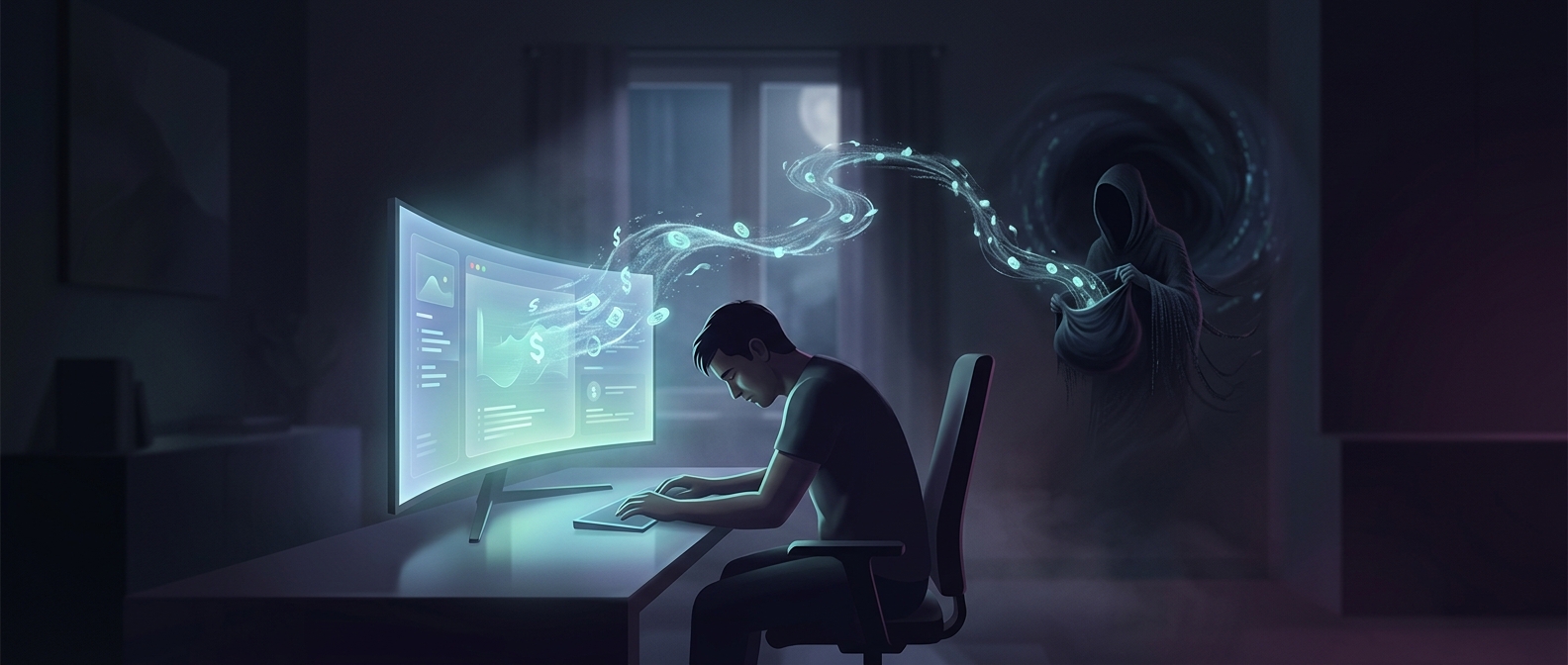
Esports practice often runs late, and the body does not instantly switch into sleep mode when a match ends. Bright screens, intense concentration, and irregular hours can all push a person’s sleep timing later. The circadian rhythm—the body’s roughly 24-hour timing system—helps regulate when someone feels alert or sleepy. Repeated late nights can make that rhythm harder to keep aligned with a stable daily routine.
Sleep is part of the training plan
Sleep is not simply time away from practice. It supports attention and helps the brain consolidate skills learned during the day. A tired player may struggle to react consistently, read a fast-changing game, or make sound decisions under pressure. More practice hours are not necessarily useful if fatigue erodes the quality of those hours.
That is why a physician’s role can extend beyond treating injuries or illness. A team doctor can help set a regular sleep schedule and make bedtime expectations part of players’ routine. In this setting, “enforcing” a bedtime is less about a doctor physically putting someone to bed than about making rest an accountable part of professional training.
The tradeoff behind the rule
A fixed bedtime limits how long players can keep scrimming, especially when practice or competition runs late. Teams are trading some immediate practice time for a better chance that players arrive rested and ready to perform. The schedule treats recovery as part of preparation, not as the opposite of it.