A shared house turns practice into a daily routine
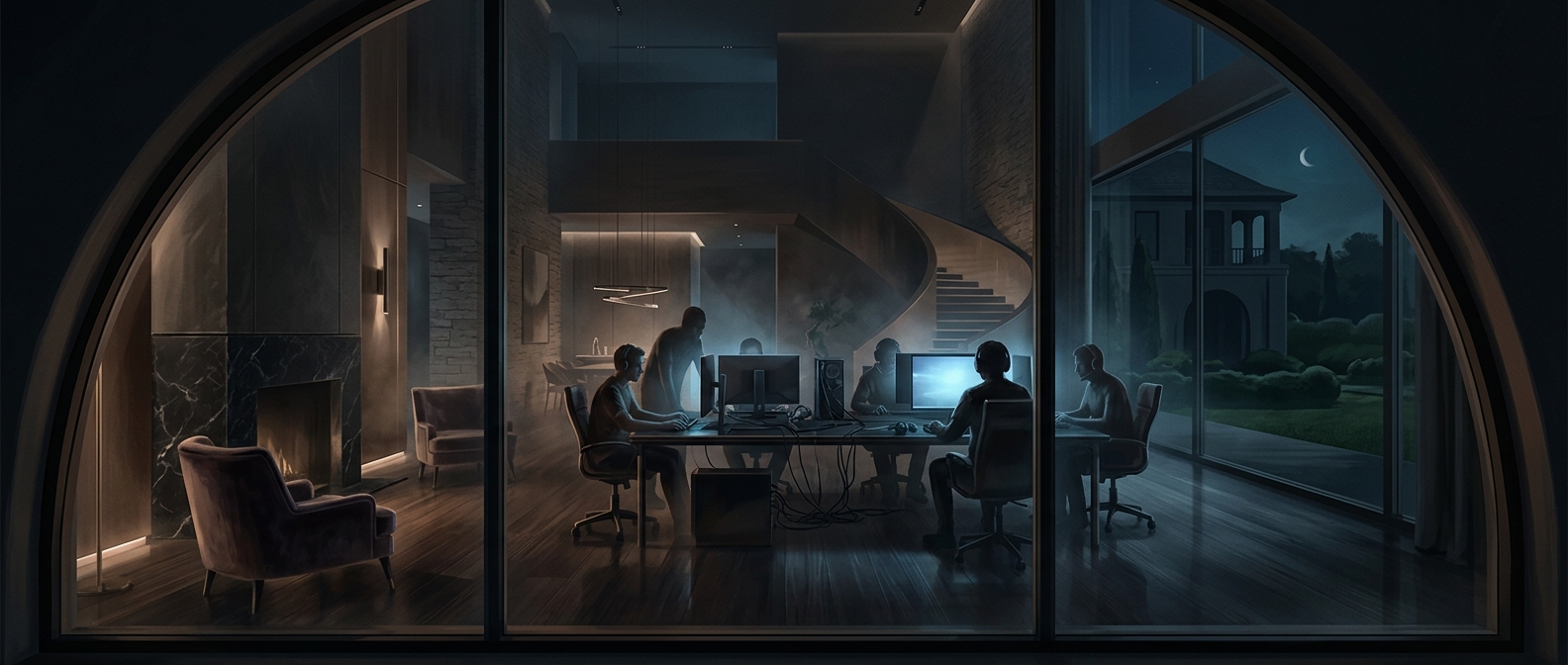
In team-based esports, improvement depends on more than each player sharpening individual skills. Teammates must make quick decisions together: who takes an objective, when to retreat, and how to react when an opponent changes plans. Living in one place makes it easier to build those habits through frequent practice and conversation, rather than coordinating every session across separate homes and schedules.
Practice does not stop when a match ends
A typical team session may include scrims—practice matches against other teams—followed by reviewing recorded play. When players are together, they can discuss a missed call or a poorly timed move while the details are still fresh, then try a different approach in the next session. Coaches and staff can also organize training, strategy meetings, and match-day routines around the same workspace.
The house can reduce everyday friction, too. Players do not have to commute to a shared practice venue, and meals and schedules can be coordinated around long training blocks. That convenience matters in competitions where small improvements in communication and preparation can affect results.
The benefit comes with a tradeoff
A team house is not automatically a mansion, nor does sharing a home guarantee better performance. The useful part is having a reliable place to practice and work together. But when work, teammates, and home all occupy the same space, it can be harder to switch off or get privacy. The arrangement works best when the shared routine supports practice without making every hour feel like another team session.