Why a Digital Match Can Become a Vocal Endurance Test
A shoutcaster is doing more than reacting to highlights. The commentator has to make a fast-moving match understandable: explain who has an advantage, what a player is attempting, and why a sudden turn matters. In games where fights can break out and end quickly, that explanation may need to arrive in seconds, while the commentator is also trying to convey the moment’s excitement.
That combination encourages bursts of loud, energetic speech. Unlike a player, who can focus on the game without addressing an audience, a caster must keep talking through long stretches of play and then raise their intensity when the action peaks. The voice has little opportunity to recover between those demands.
What Happens When the Voice Is Pushed
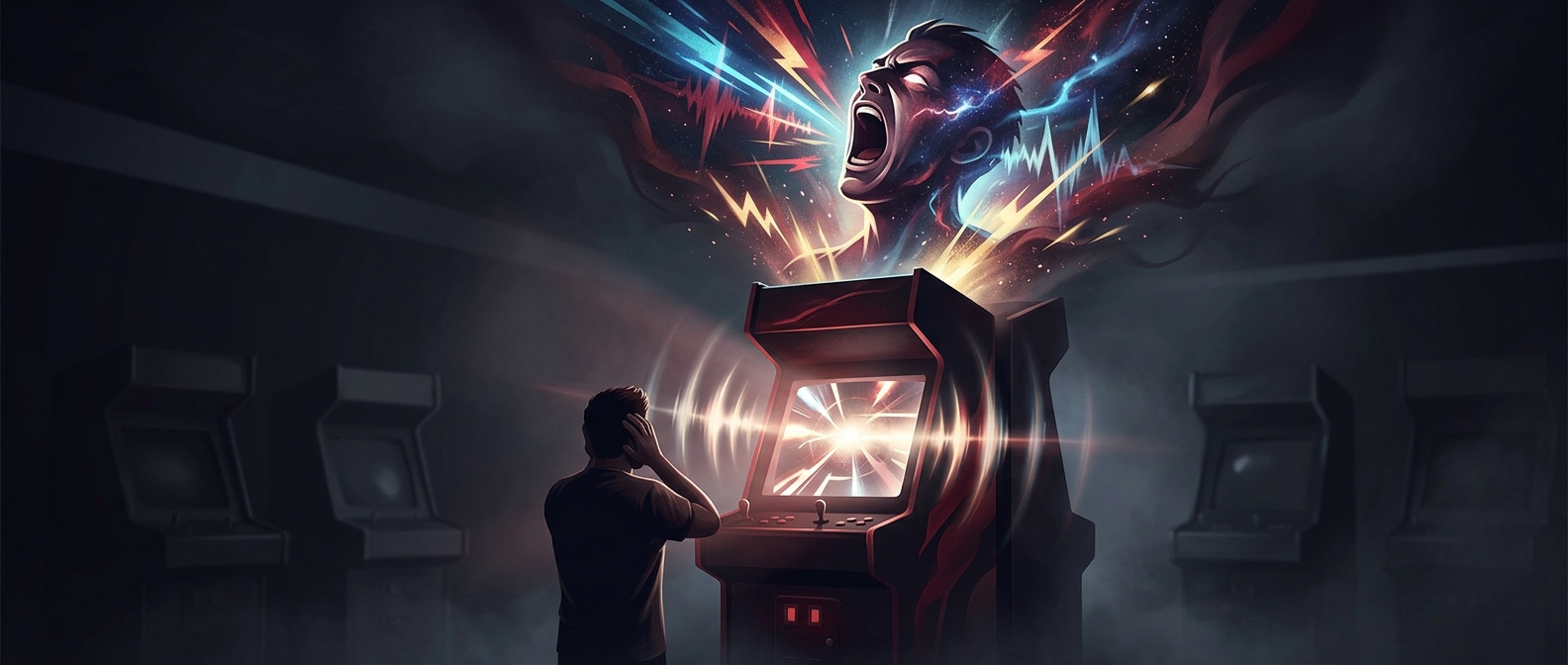
Sound comes from vocal folds—small bands of tissue in the throat that vibrate as air passes through them. Speaking loudly or shouting makes them work harder. Repeated strain can irritate and swell the tissue, leaving a voice hoarse, weak, or temporarily difficult to use. A lost voice is not simply a sign of enthusiasm; it can be the body’s warning that the voice has been overworked.
The broadcast setup shapes how much effort is necessary. A microphone can carry a clear voice to viewers without the speaker physically projecting across a stadium, but it cannot prevent strain caused by hours of near-continuous commentary or repeated shouting. Caster teams can share the workload, and commentators can vary their intensity rather than treating every moment as a peak. Those choices matter because excitement is most effective when a voice still has room to rise at the match’s decisive moment.