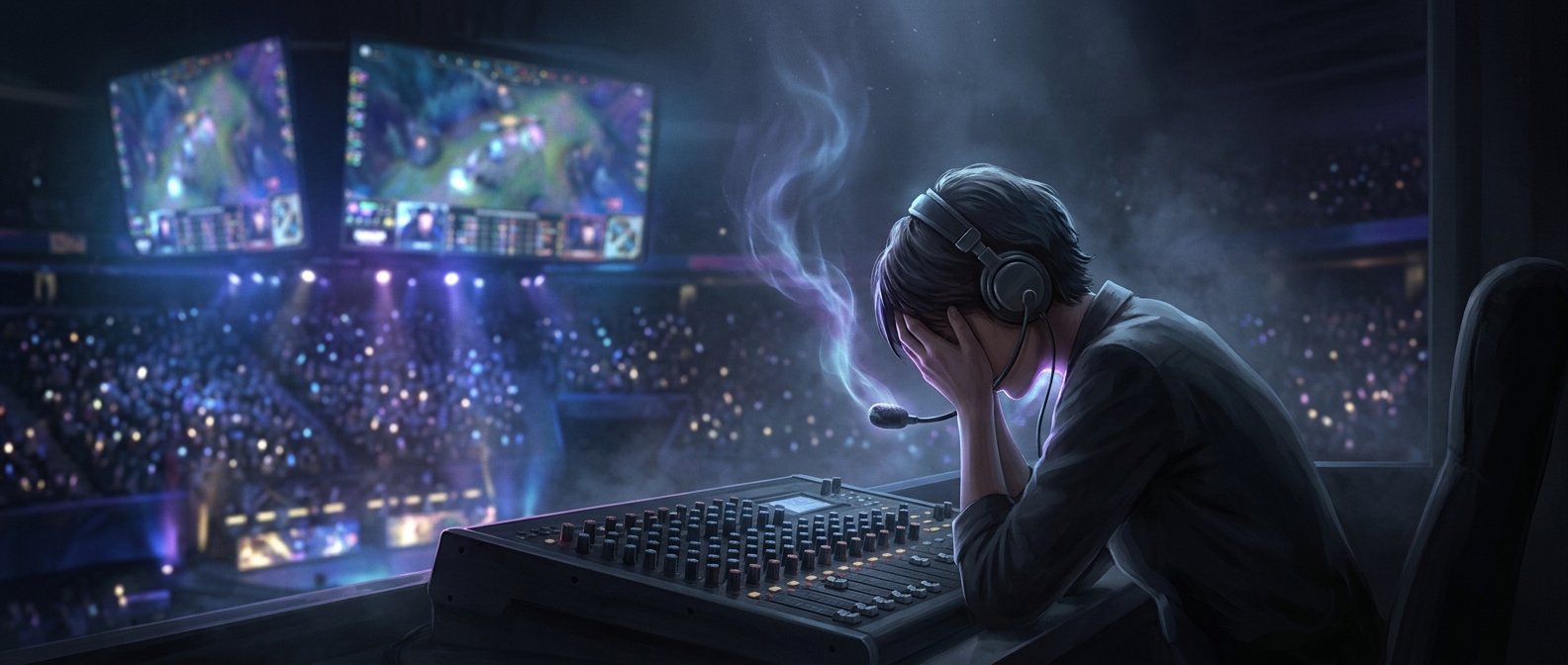
How a Small Roommate Grudge Can Reach the Match
A professional team depends on more than individual skill. Players must share information, accept corrections, and make fast decisions together. That requires a basic level of trust: when a teammate calls a play or points out a mistake, the others need to treat it as useful information rather than a personal attack.
When players also share housing, a disagreement can follow them beyond practice. A joke that lands badly or a dispute over shared food may seem minor, but repeated contact gives the irritation more chances to grow. Players may stop talking casually, interpret neutral comments as hostile, or carry resentment into team discussions.
The Cost Is Often in Communication
The conflict need not change anyone’s mechanical skill to hurt performance. It can make players less willing to speak up, coordinate, or adjust after a mistake. In a game where success depends on timely calls and coordinated decisions, even a small breakdown in communication can make the whole team less effective.
That is why coaches and organizations may need to treat living arrangements as part of team management, not merely a housing convenience. Clear expectations about shared spaces—and a way to address friction before it becomes personal—can protect the trust that practice is meant to build. The telling consequence is that a team can lose coordination without anyone becoming worse at the game.