Practice Comes From Repeating Decisions
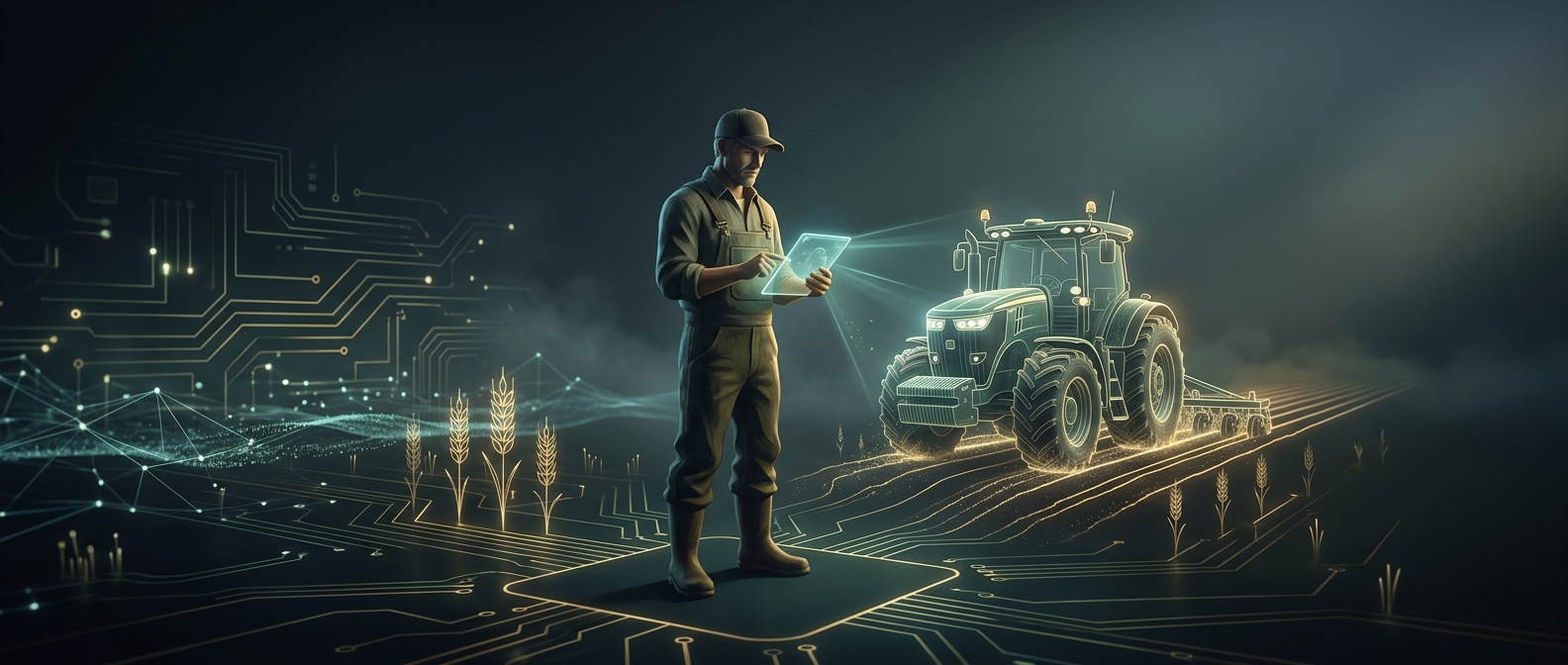
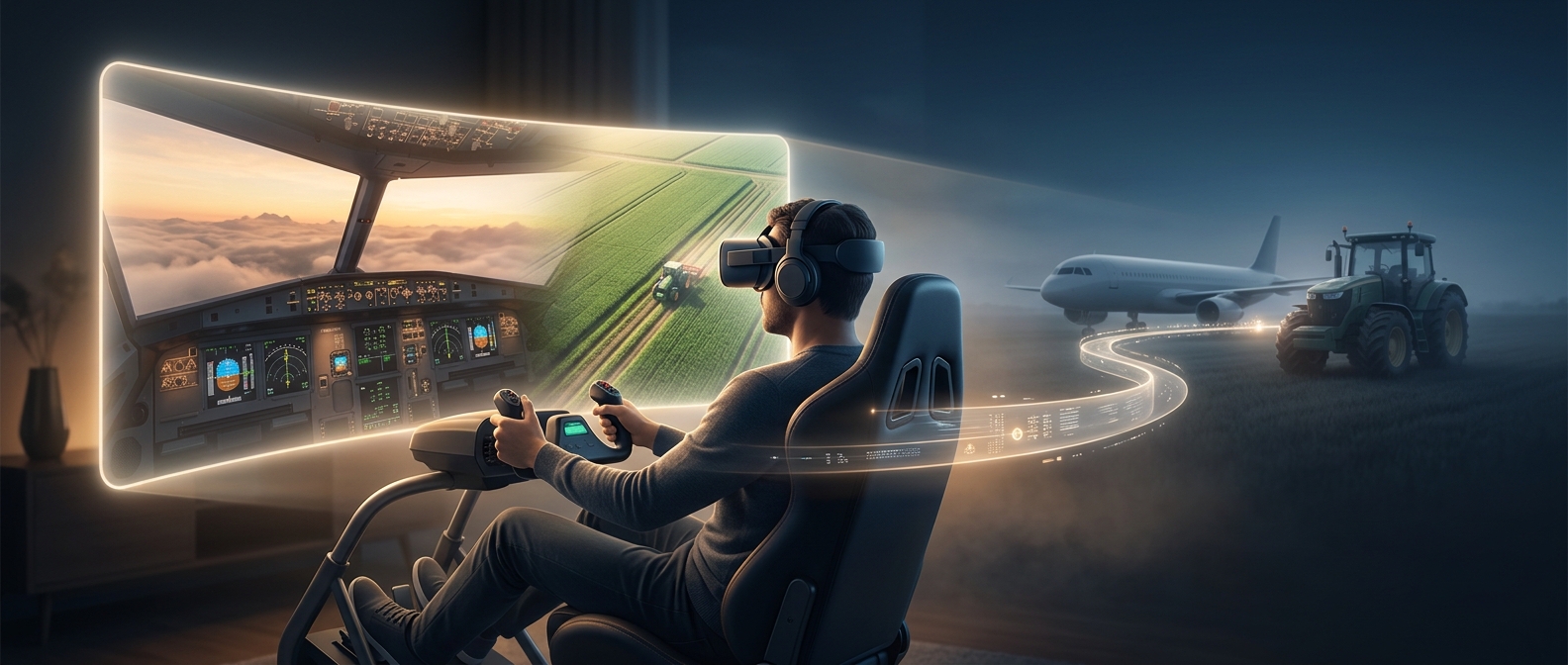
A useful simulator does more than show a realistic-looking scene. It gives the player choices, then makes the consequences visible. In a farming game, for example, a player may learn to think about when to plant and how one choice affects later work. Repeating that cycle builds familiarity with a task’s sequence and with the cues that matter, without the cost or risk of making every mistake on a real farm.
The learning comes from a loop: notice a situation, choose an action, see what happens, and adjust. Because the game can make that loop quick and repeatable, players can try alternatives they might not get to test easily in real life. What they learn depends on what the game actually models; a simplified system can teach useful planning habits without reproducing every condition of real agriculture.
Familiarity Is a Head Start, Not a Credential
Flight games can offer a different kind of practice. A player who has spent time with a detailed cockpit may recognize the layout of controls and the general task of monitoring instruments. That recognition can make an unfamiliar training environment feel less overwhelming: attention can go toward understanding the lesson rather than simply locating each control.
But recognition is not the same as operating an aircraft. Real flight training adds physical sensations, changing conditions, procedures, and an instructor’s feedback—elements a game cannot fully reproduce. The practical value of a simulator is therefore often a head start: it gives learners a mental map and a chance to rehearse decisions before the stakes become real.