Why Uranus Became an Astrological Marker of Generations
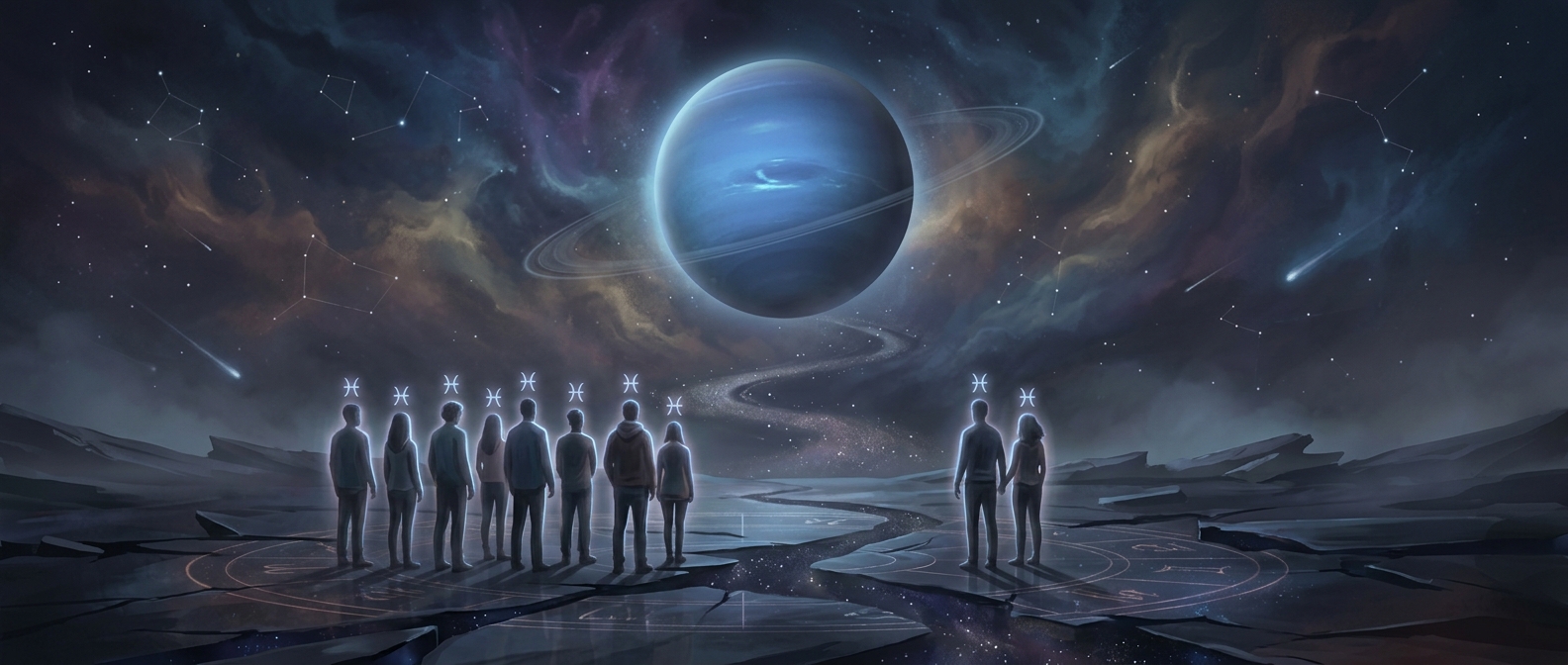
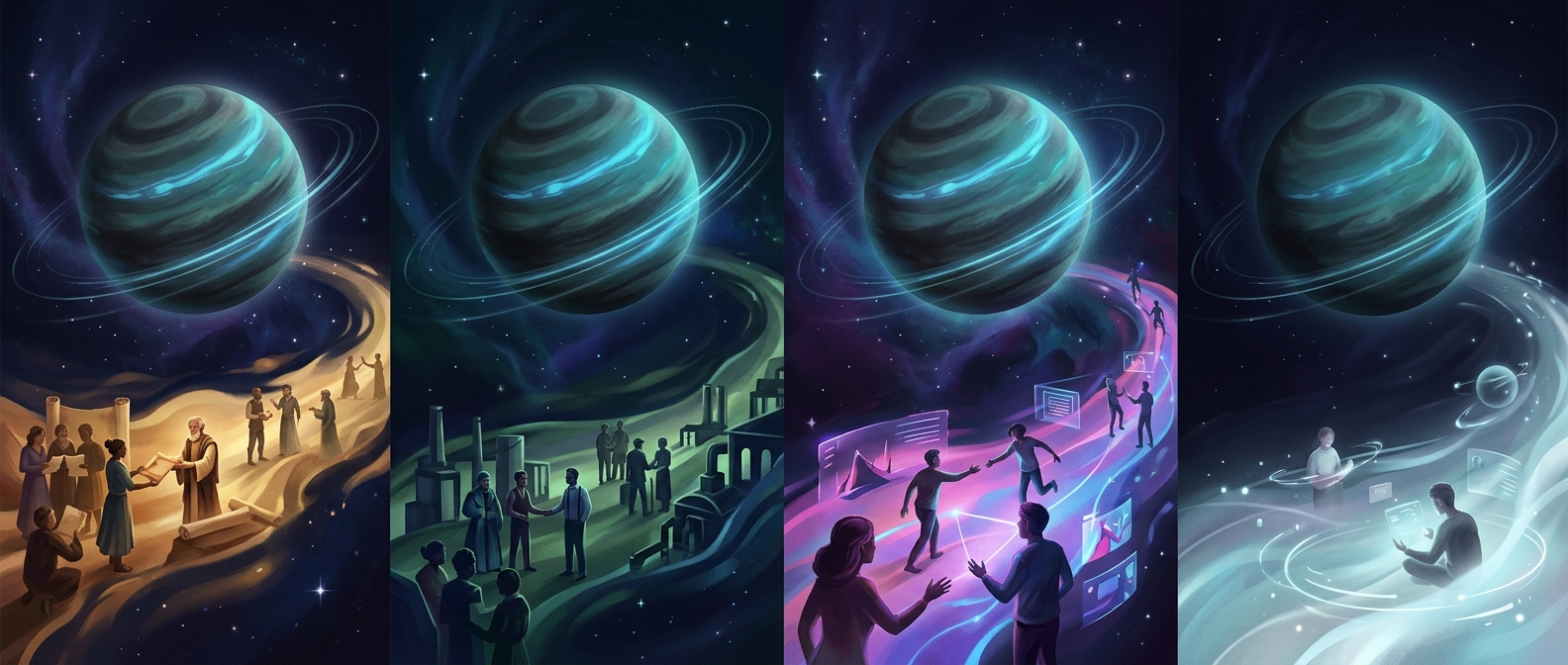
Uranus takes about 84 years to orbit the Sun. As seen from Earth, it therefore shifts through the zodiac much more slowly than the Moon or the inner planets, which change signs far more often. Uranus typically spends several years in one zodiac sign, so people born during that stretch may share its sign placement.
Astrologers use that shared timing to talk about broad generational themes rather than a trait unique to one person. In this tradition, Uranus is associated with disruption, independence, and change; its sign is read as describing the style of change linked with a cohort. The interpretation is symbolic, not a claim that everyone born in the same years behaves alike.
A Cohort Placement, Not a Whole Personality
A birth chart includes many placements, and the faster-moving planets can differ among people born only days or weeks apart. Those details are why astrologers usually treat Uranus as one layer of a chart: it supplies a long-range backdrop, while other placements are used to describe more individual patterns.
The result is a useful distinction within astrology: a Uranus sign can connect people through a shared era, but it cannot by itself explain what any one person is like. Its slow passage turns a personal birth-chart detail into a generational one.