How Astrologers Read a Grand Cross
A grand cross is a pattern of four planets placed at roughly right angles around a birth chart. Each planet opposes one across the chart and squares the two beside it. In astrology, these angles are treated as relationships between planetary symbols—not as physical forces pushing on a person.
The pattern is often associated with planets in the same astrological modality: cardinal, fixed, or mutable. Those labels describe different styles of response—starting change, holding steady, or adapting. The modality gives astrologers a way to describe the particular flavor of tension they see in the chart.
Why the Pattern Suggests Pressure
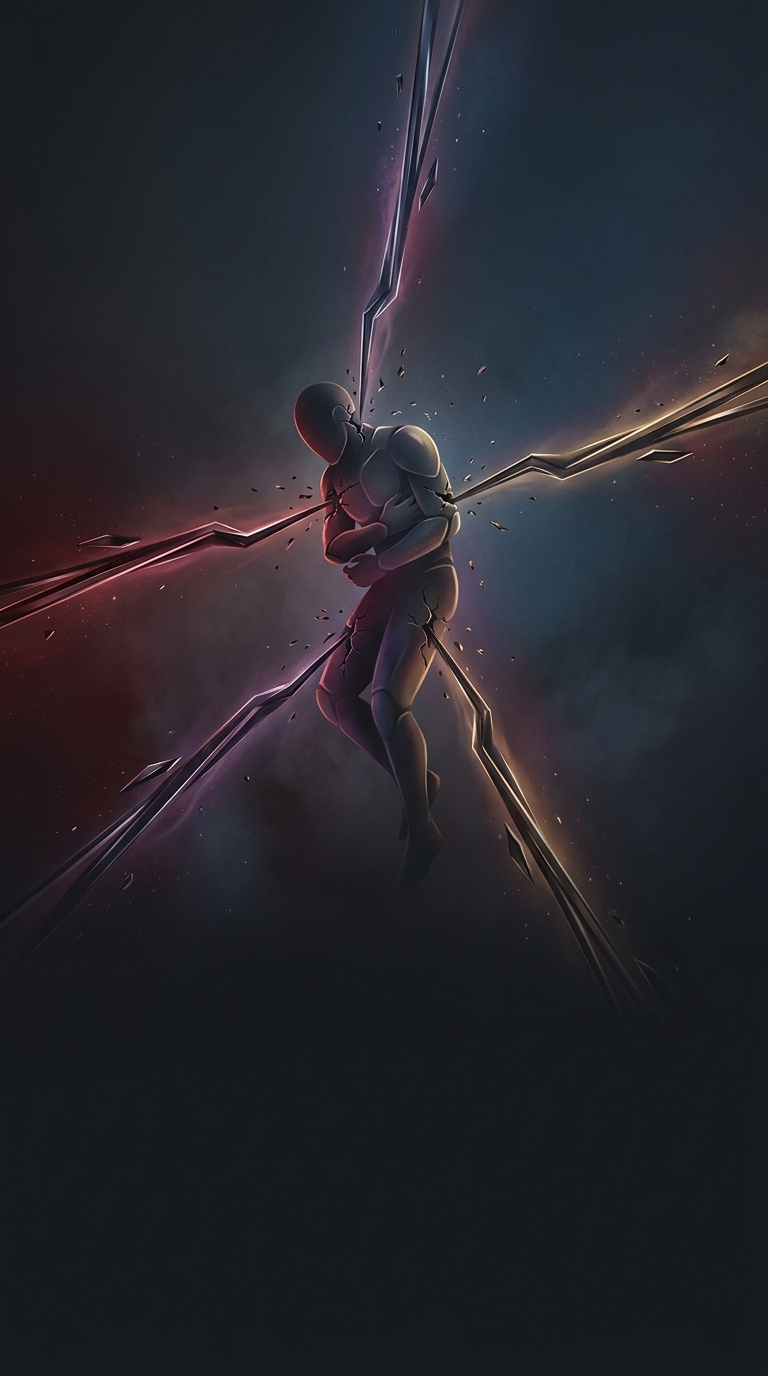
In traditional interpretation, an opposition represents a pull between two poles, while a square suggests friction or a demand to act. A grand cross connects four such points, so the chart offers no single obvious outlet: responding to one pressure may seem to intensify another. Astrologers may use that geometry to explore recurring conflicts, competing priorities, or a tendency to feel stretched in several directions.
That is an interpretive framework, not evidence that a birth chart predicts constant crises or a fixed destiny. People who use astrology may treat the pattern as a prompt for reflection rather than a verdict about what their lives must become.
The cross shape is striking because it makes the interpretation visible at a glance. Its practical meaning, however, depends on which planets and signs form it—and on the choices a person makes beyond the chart.