A séance met a 1735 law in wartime Britain
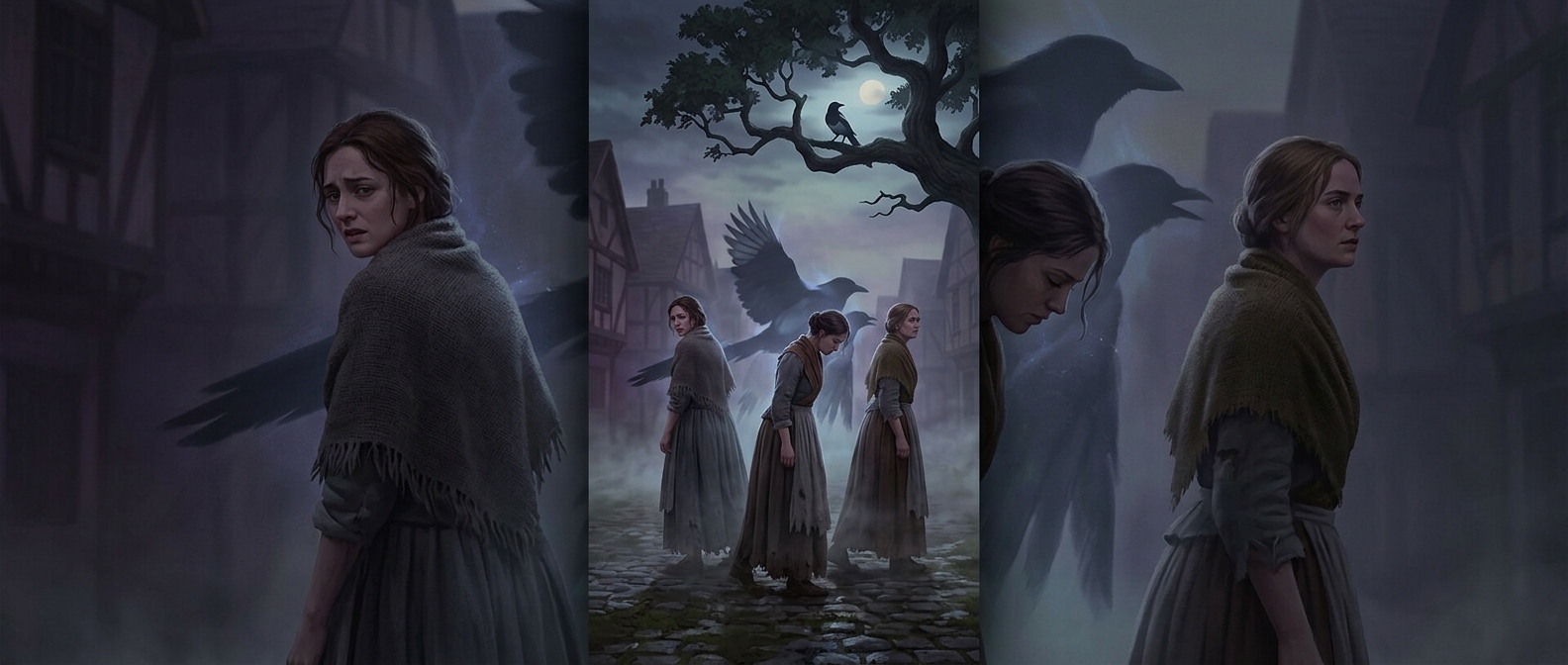
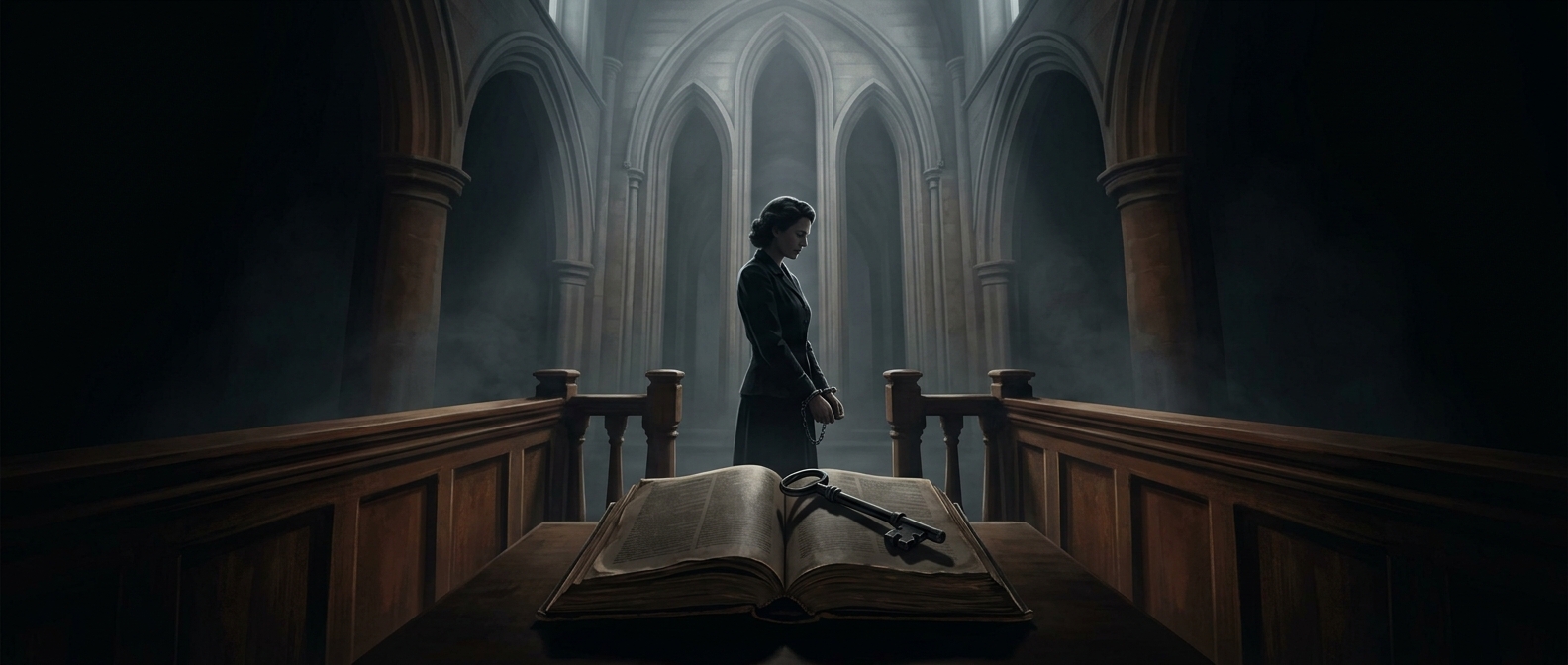
Helen Duncan was a Scottish medium who held séances in which she claimed spirits appeared through a substance she called ectoplasm. Investigators later described the material as cheesecloth. In 1944, a London jury convicted her under the Witchcraft Act of 1735, and she was sentenced to nine months in prison. She is remembered as the last person imprisoned under that law.
The act did not require prosecutors to prove that magic worked. It made it an offense to pretend to exercise witchcraft or claim powers such as communicating with the dead. That gave authorities a way to prosecute Duncan’s public performances without treating spirits as real in court.
Why the case carried wartime weight
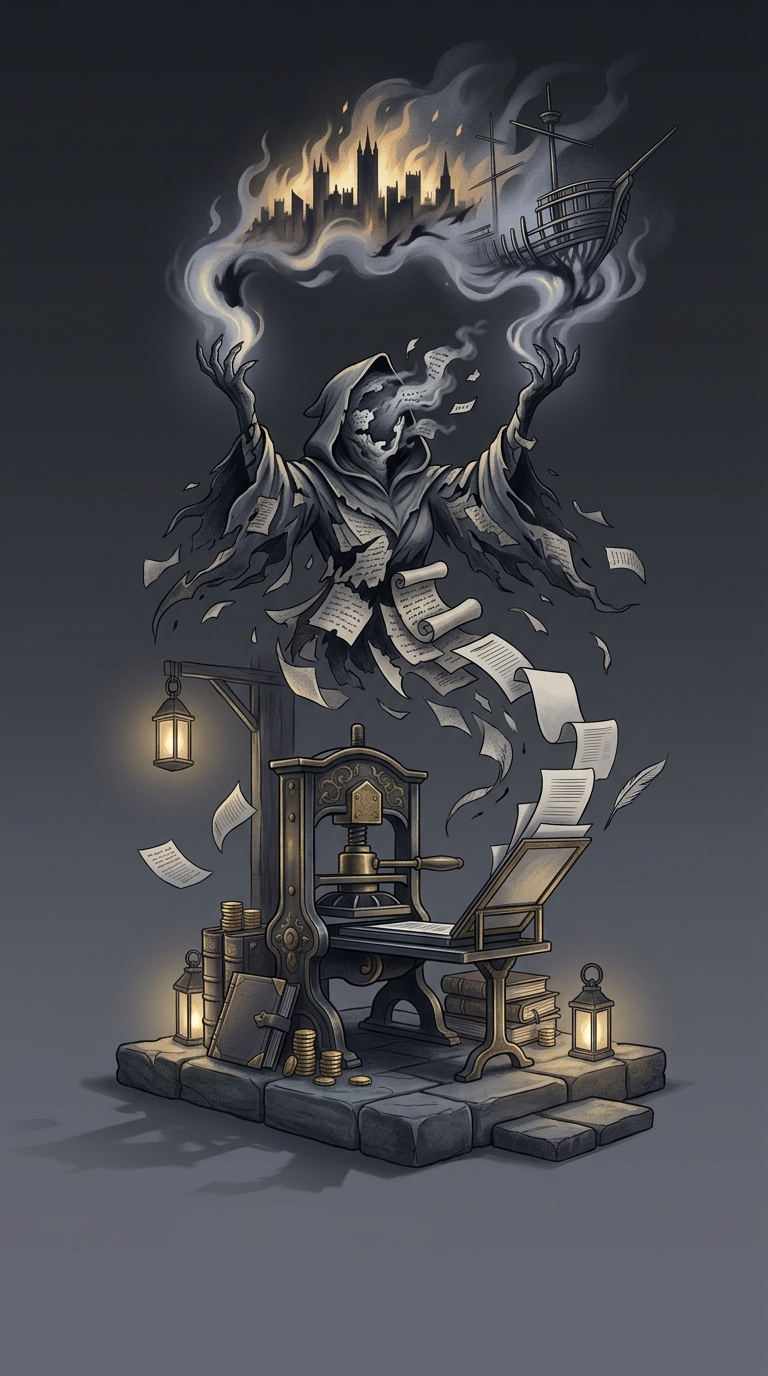
The prosecution unfolded amid strict wartime secrecy. Duncan’s séances were said to have disclosed information about sailors who had died, prompting concern that such performances might expose military news before it was officially released. The case therefore joined two anxieties: whether a medium was deceiving the public and whether anything said at a séance could compromise wartime security.
The old law’s use was striking. Britain was fighting a modern war, yet Duncan’s conviction rested on a statute written more than two centuries earlier. Her imprisonment helped make the law’s continued existence hard to ignore; Parliament repealed it in 1951. The episode is remembered not as a legal finding that spirits existed, but as a wartime prosecution that turned a séance into a matter for criminal court.