How a magpie became part of a witchcraft case
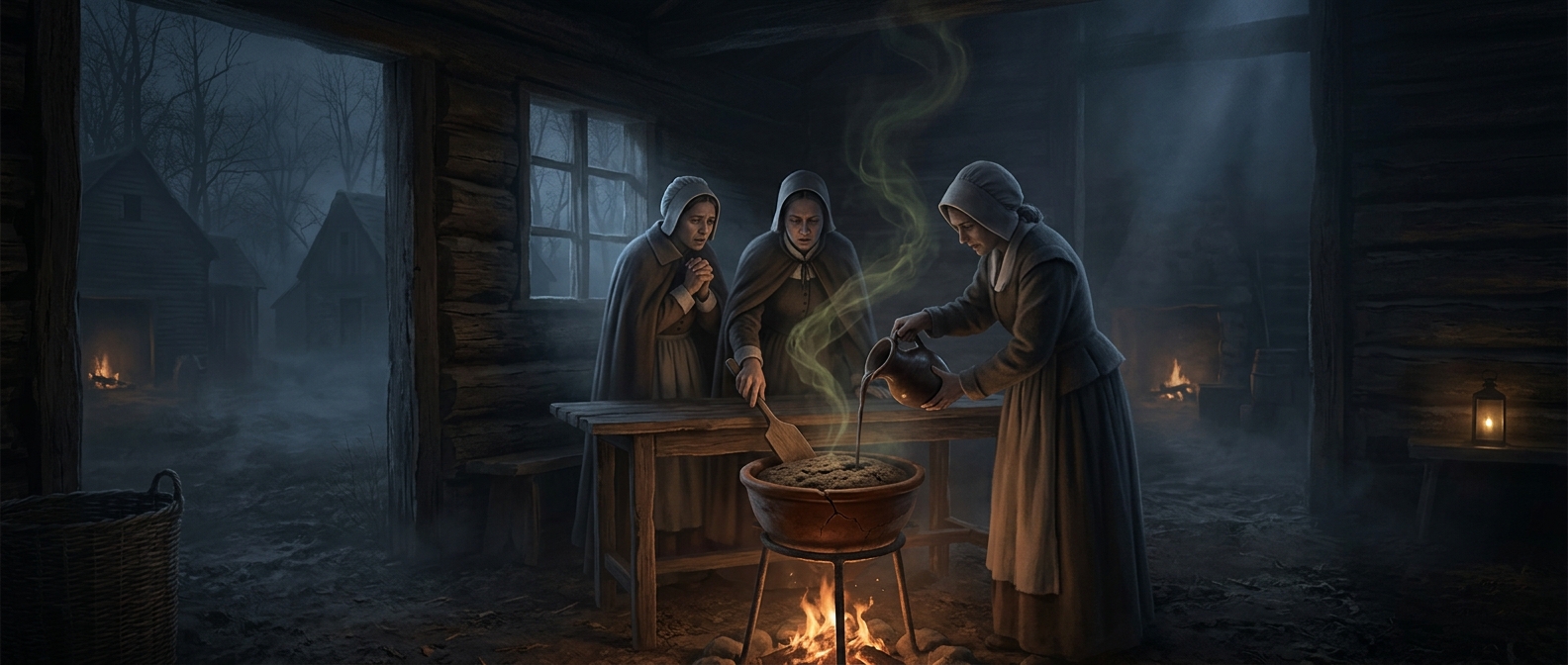
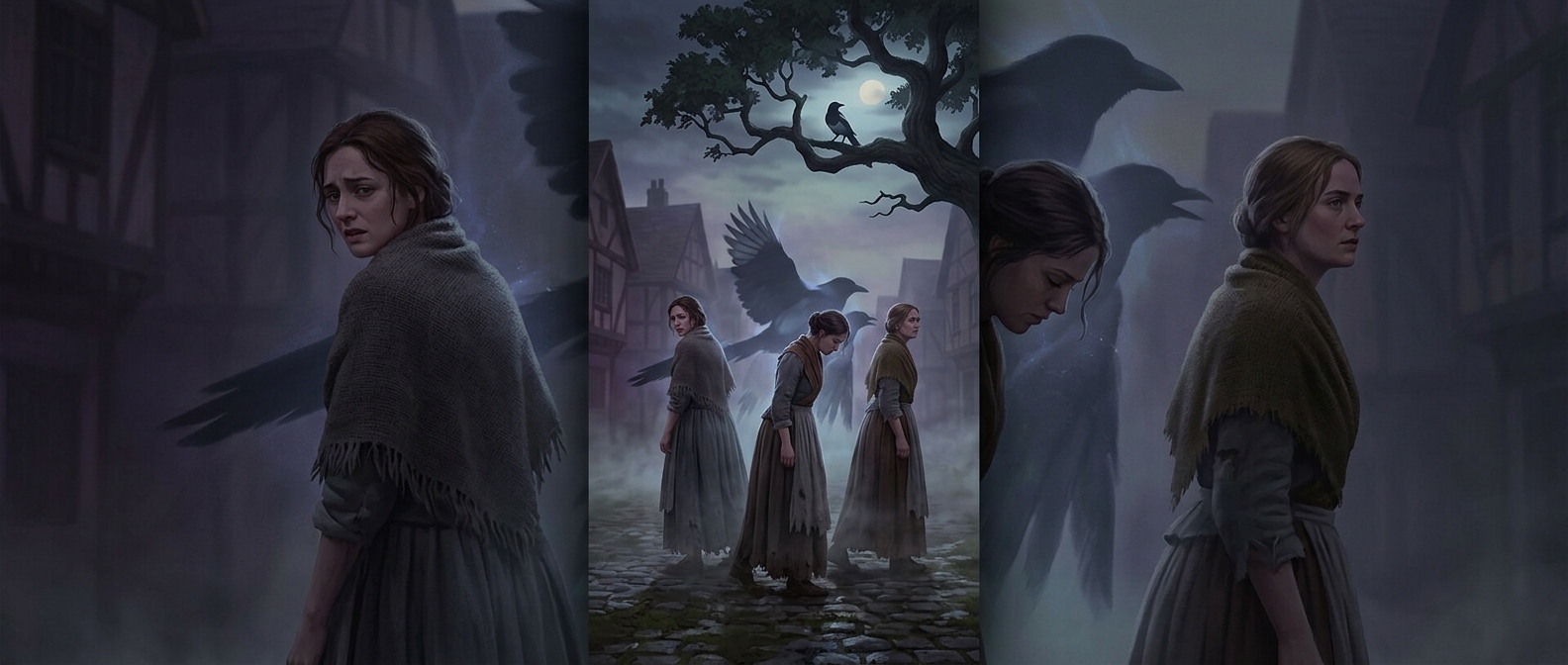
At the 1682 Bideford witch trial, stories that Temperance Lloyd and two other women could become magpies were presented as evidence of witchcraft. The claim belonged to a world in which people could interpret frightening or unexplained events through the idea that a person had made a pact with the devil. It was an accusation heard in court—not proof that the women had physically changed shape.
The charge also tied familiar village anxieties to a vivid supernatural story. In the court’s account, the women were said not only to consort with the devil but to stare at cows until the animals died. Such claims cast ordinary misfortune—an animal’s death, for example—as the result of deliberate harm by a neighbor.
Belief could carry a legal penalty
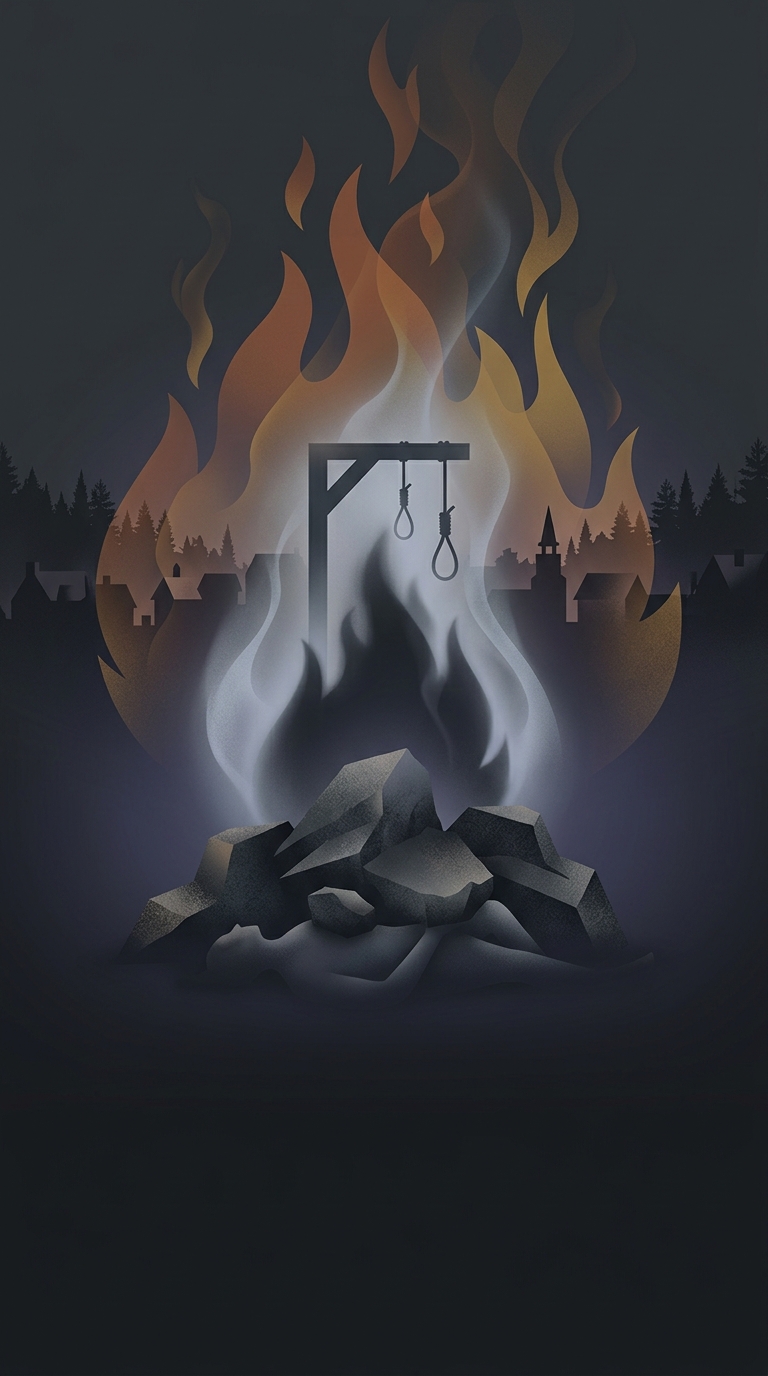
Witchcraft was a crime under English law, so accusations could become criminal prosecutions rather than remain community rumor. Lloyd and the other two women were convicted and hanged. The trial shows how testimony shaped by fear and local belief could be treated as evidence in a court with the power to impose a death sentence.
The enduring image of women turning into magpies makes the case sound like a folktale. Its grimmer meaning is that a supernatural story, once accepted as a legal accusation, could help send real people to the gallows.