The SS tried to turn witch trials into racial evidence
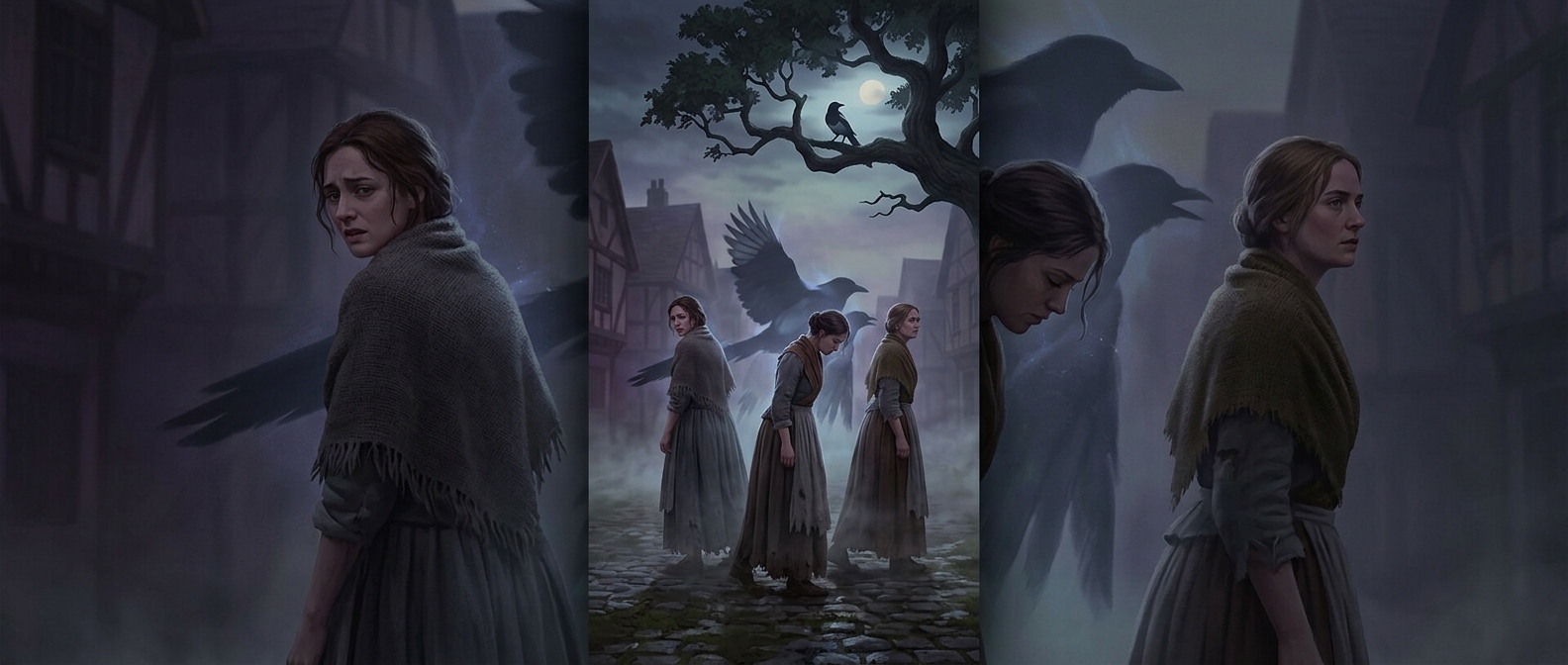
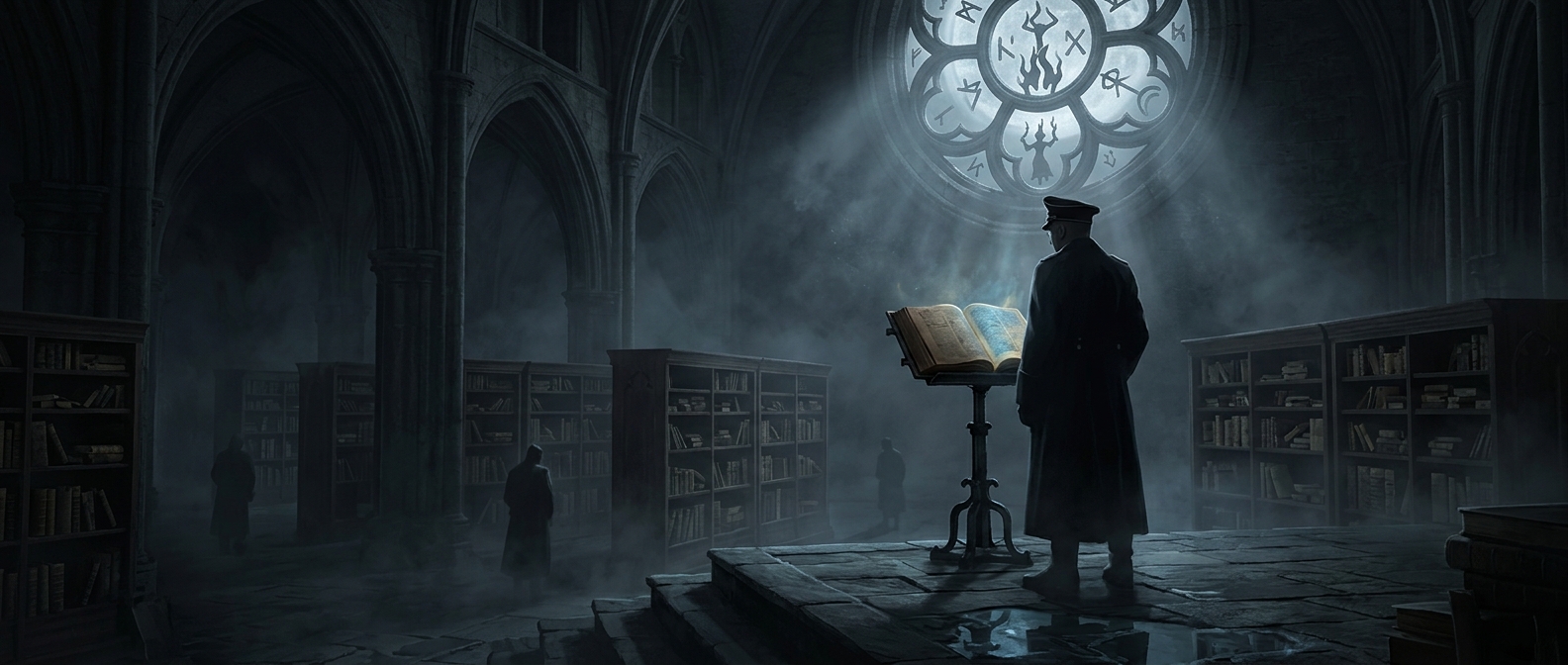
Himmler’s witch-research unit treated old trial records not as evidence to weigh neutrally, but as material for a political case. Its investigators searched historical documents for support for a story Himmler wanted to tell: that the medieval Church had destroyed Germanic women who supposedly preserved an ancient, pre-Christian culture.
That story fit Nazi racial ideology, which recast the past as a struggle between an imagined “Aryan” people and its enemies. The investigators also pursued claims that Jews had helped drive the persecutions. In this framing, the victims of witch trials became proof of a conspiracy against Germans—not people accused and punished in particular local conflicts.
How paperwork served the ideology
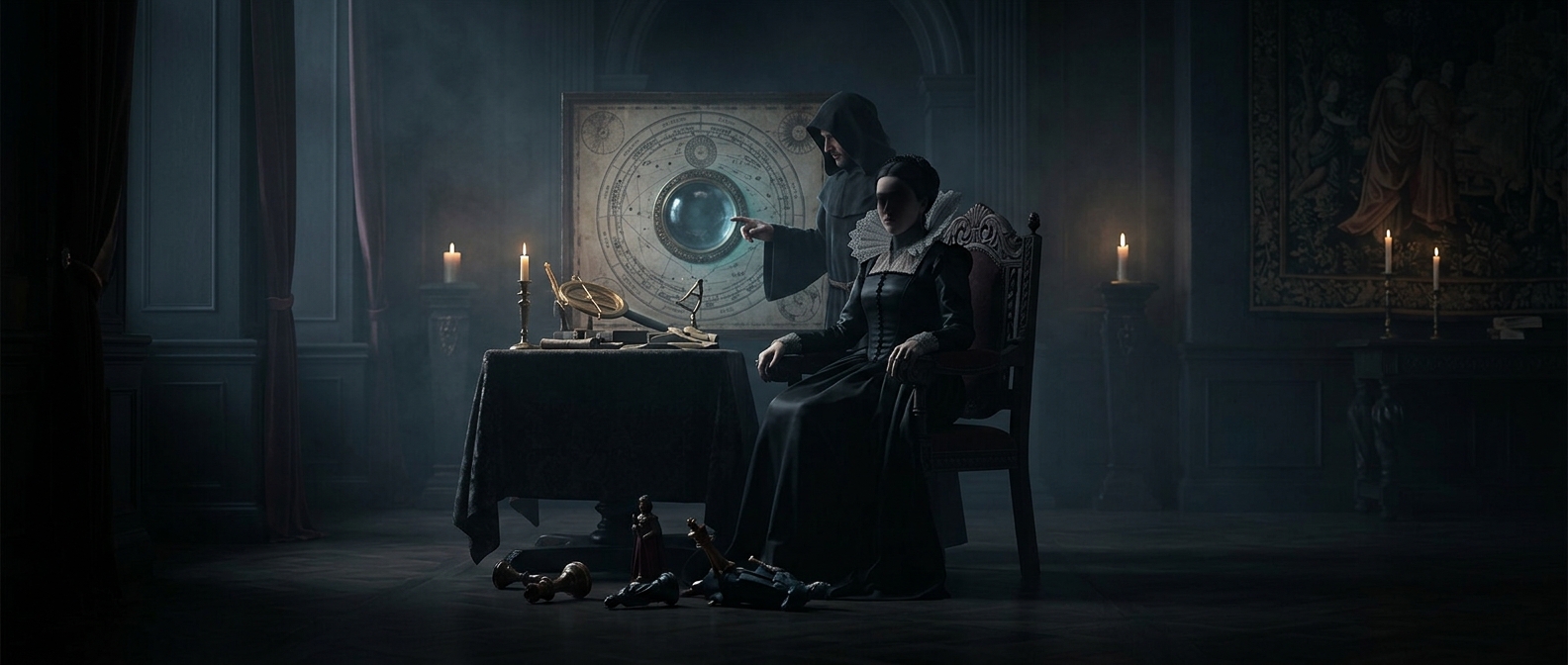
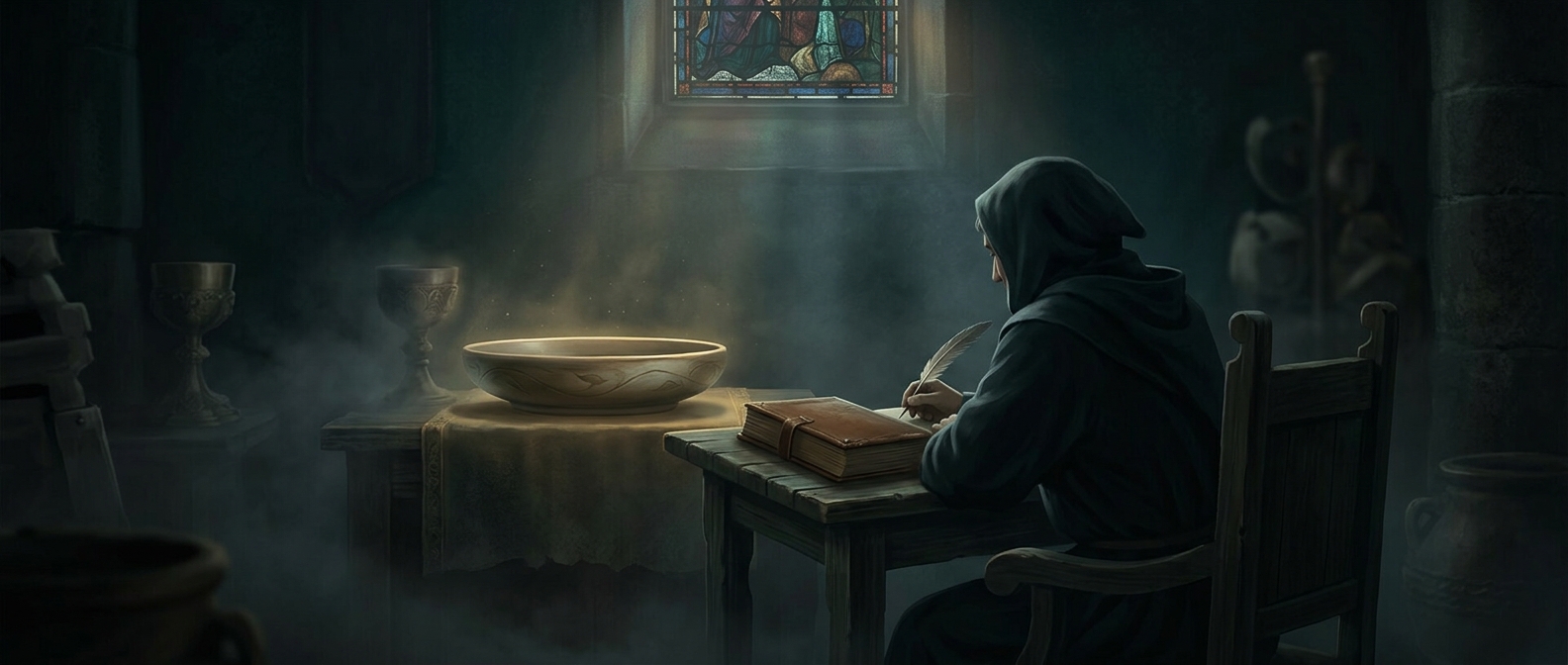
The unit collected and organized information from historical records, including accounts of witch trials. This made scattered documents easier to search and compare. But the method began with a conclusion: the researchers looked for details that could be made to support Himmler’s theory, rather than testing whether the theory fit the full, varied history of the trials.
Witch persecutions had taken place across different regions and centuries, involving local authorities, religious institutions, and changing legal practices. They cannot be reduced to one coordinated campaign. Nor do trial records establish the racial categories or ancient Germanic tradition that Nazi writers projected onto them.
A past rewritten for the Nazi state
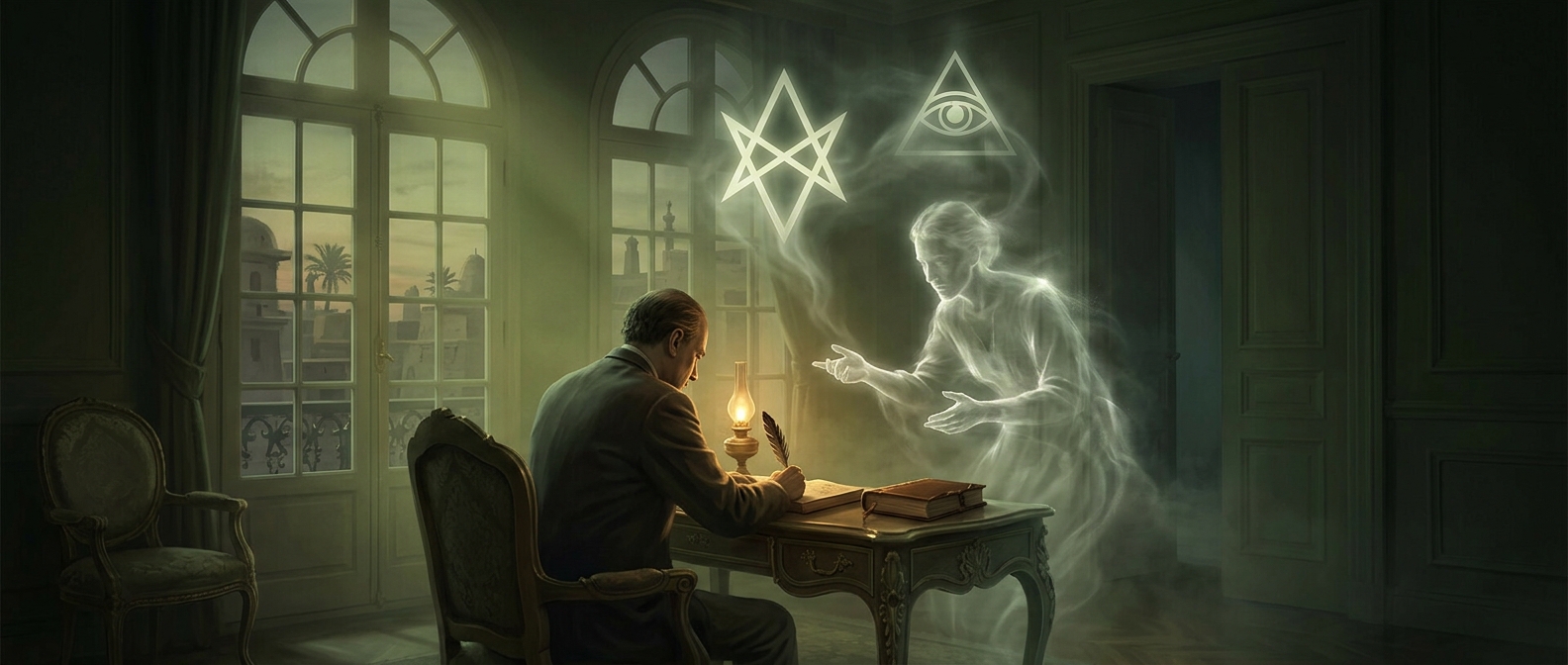
The project shows how Nazi officials used historical research as propaganda. Archival work could give an ideological claim the appearance of scholarship: documents were gathered, categorized, and interpreted as if they all pointed toward the same hidden enemy. The records were real; the conspiracy story imposed on them was not a neutral finding.