A counterspell made from the affliction
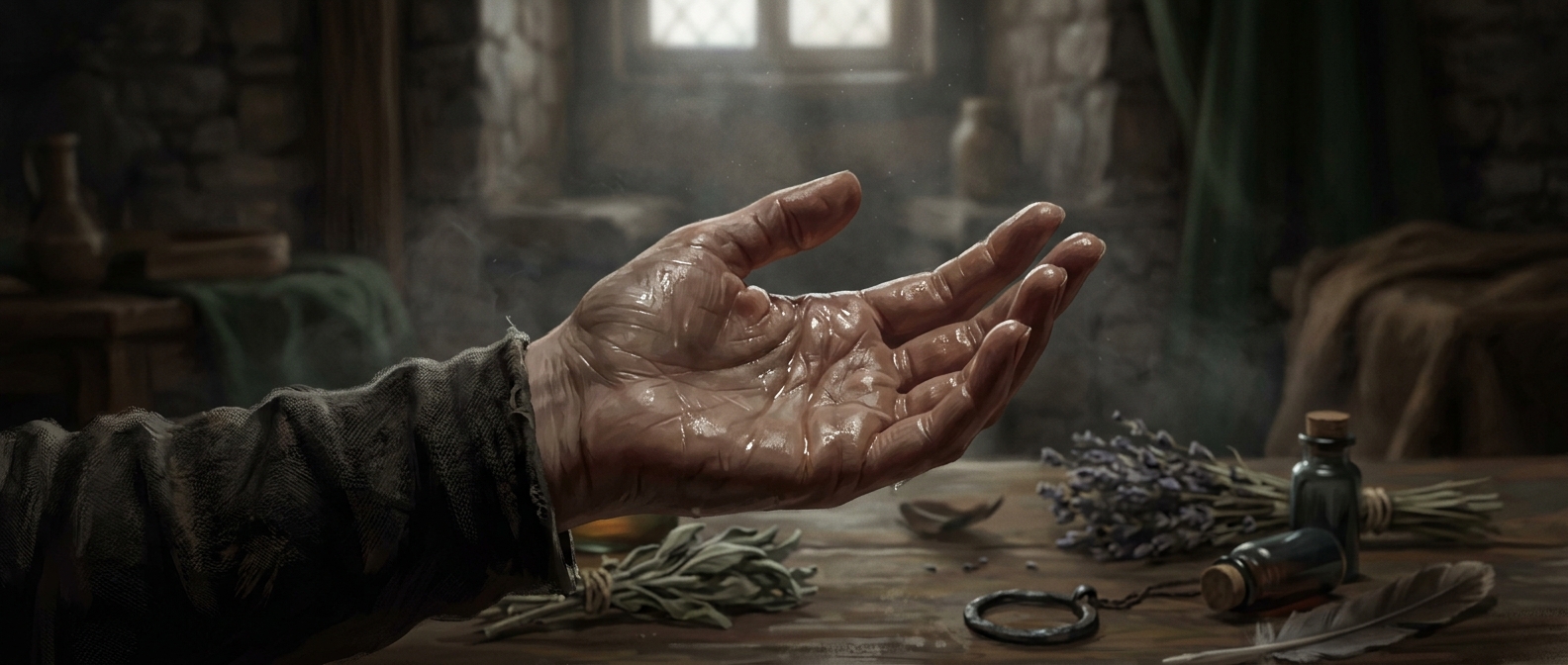
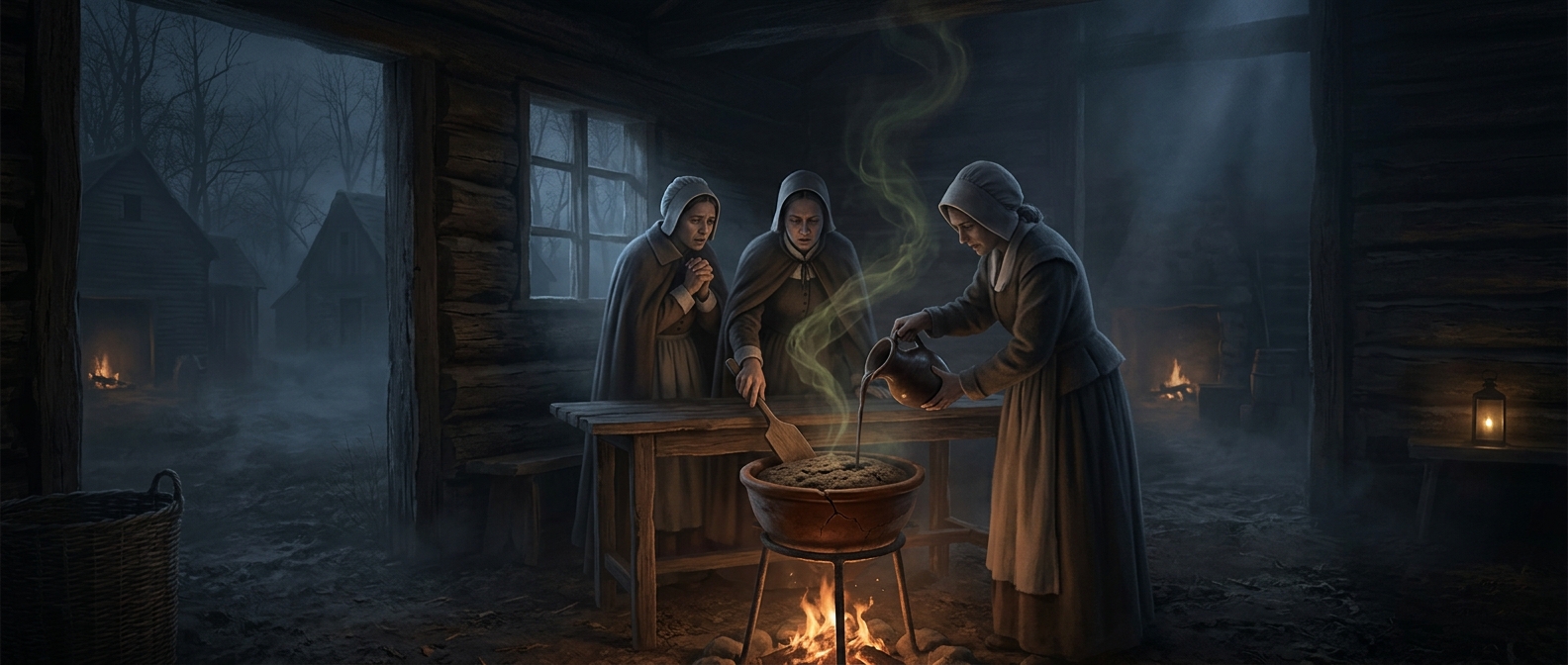
In the Salem Village witchcraft crisis of 1692, a so-called witch cake was treated as a way to trace an illness back to its supposed supernatural cause. The cake was made with rye meal and urine from one of the afflicted people. Its logic belonged to folk magic: something taken from the victim could carry a connection to whoever had bewitched them.
The cake was then given to a dog. In the belief behind the test, the animal would react as the witch’s influence reached it—howling, in the story’s telling, and thereby pointing toward the culprit. It was not a search for physical evidence so much as a ritual attempt to make an invisible relationship produce a visible sign.
Why the test mattered—and why it was risky
A strange reaction from a dog could not establish who had caused an illness. But in a community struggling to explain distress, a ritual promising an answer could feel more actionable than uncertainty. The test also risked turning an ordinary animal’s behavior into apparent confirmation of a suspicion.
The practice carried a further tension: trying to uncover witchcraft through magic could itself be condemned as improper. In Salem, the cake became part of a larger crisis in which attempts to interpret suffering helped intensify suspicion rather than settle it. Its unsettling lesson is that a test can feel persuasive not because it reliably identifies a cause, but because people are already prepared to read its outcome as a sign.