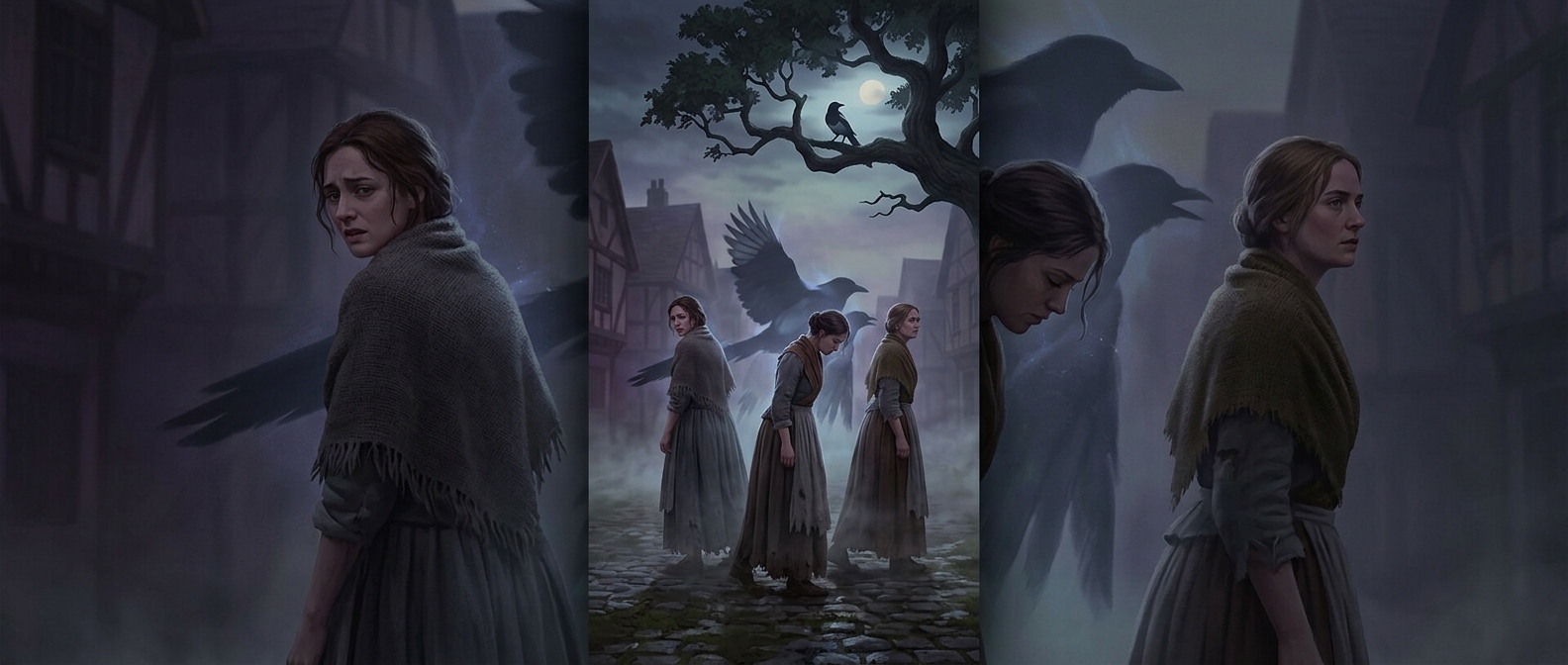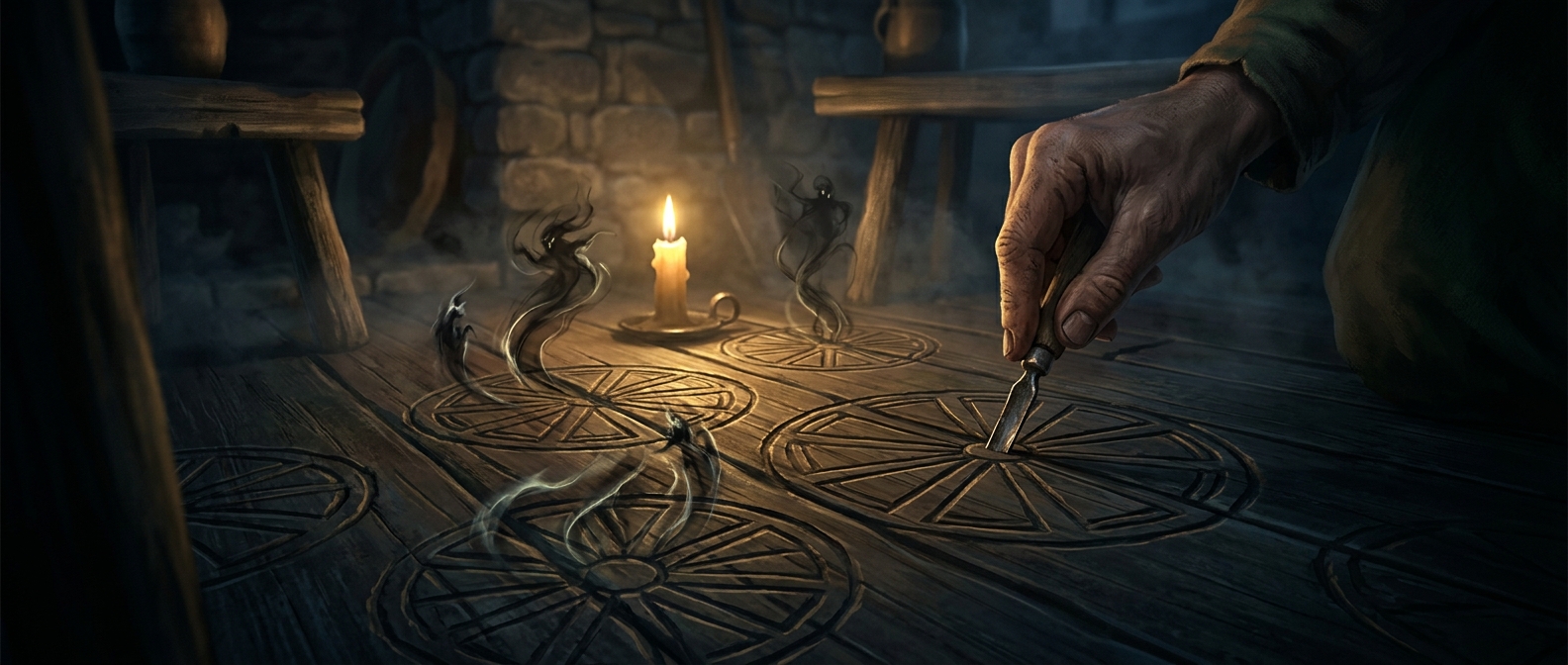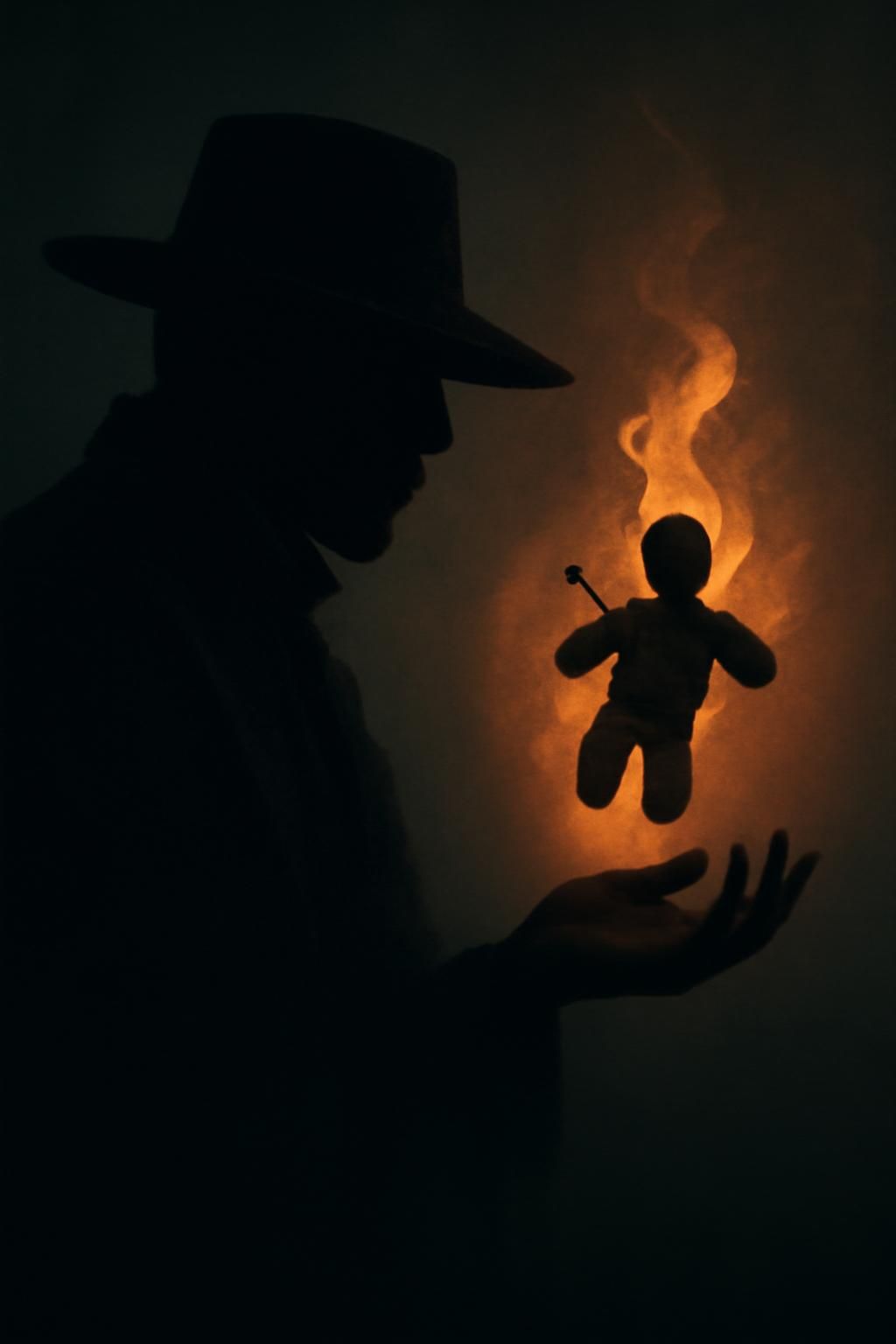
What an Obeah practitioner was feared to do
“Obeah man” is a familiar label for a practitioner of Obeah, but it can obscure how varied the tradition is. Across parts of the Caribbean and northern South America, Obeah has involved practices of healing, protection, divination, and spiritual influence. Practitioners have not all served the same role, and women as well as men have practiced it. The belief that an Obeah practitioner could alter luck or justice belongs to a world in which spiritual power was also understood as a source of practical help—or danger.
The term itself was shaped by colonial history. African-derived spiritual practices took root in societies where enslaved people and their descendants lived alongside Indigenous communities and under European rule. Customs and beliefs mixed and changed locally; Obeah was not one standardized religion with a single set of teachings.
Why colonial authorities tried to suppress it
Colonial officials treated Obeah as a threat partly because they feared what they could not supervise. A healer or spiritual adviser could build trust and influence outside the institutions controlled by slave owners and colonial governments. Authorities also associated Obeah with poisoning, resistance, and rebellion. Their laws and punishments therefore targeted more than particular rituals: they helped police independent forms of knowledge and authority among enslaved people.
That history helps explain why Obeah is often described in ominous terms. Criminalization and hostile colonial accounts made the practitioner seem like a hidden plotter, even though Obeah could also be sought for healing or protection. The figure who might “twist” luck or justice carries both sides of that legacy: spiritual power as people understood it, and the fear that authorities attached to power beyond their control.