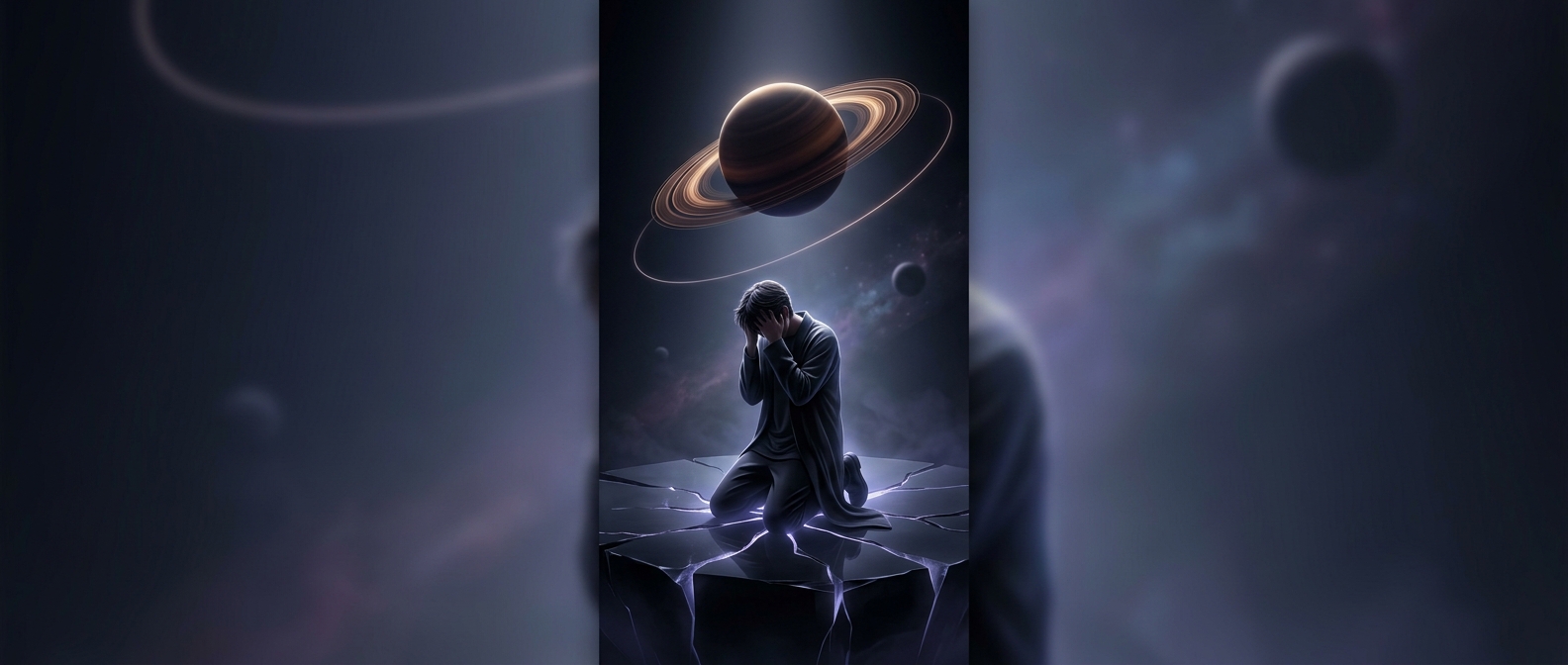
When a framework for life stops working
A worldview does more than explain the universe. It helps organize ordinary choices, relationships, and a person’s sense of who they are. When that framework suddenly feels unreliable—through an intense spiritual experience, a change in belief, or prolonged questioning—familiar parts of life can seem strange or uncertain. Grief, fear, and repeated doubts may follow, even if the person understands the upheaval as meaningful.
From the outside, that distress can resemble what people casually call a “nervous breakdown,” a nonmedical phrase for feeling unable to cope. Strong emotion alone cannot establish what is happening. The same outward turmoil can have different causes, and a spiritual interpretation is one way of making sense of it, not proof that the experience is either spiritual progress or mental illness.
Meaning and support can coexist
Calling a crisis spiritual does not require dismissing its effects. Sleep, daily responsibilities, relationships, and a person’s sense of safety still matter. A trusted spiritual adviser may help someone explore the experience within their tradition; a qualified mental-health professional can help assess distress and offer care. These forms of support need not compete.
The important distinction is between the meaning someone gives an experience and the care they may need while living through it. An episode can feel transformative and still be frightening or disruptive. Treating the suffering as automatically necessary—or as evidence of spiritual advancement—can make it harder to ask for help when help is needed.