When Hardship Becomes Part of a Soul’s Plan
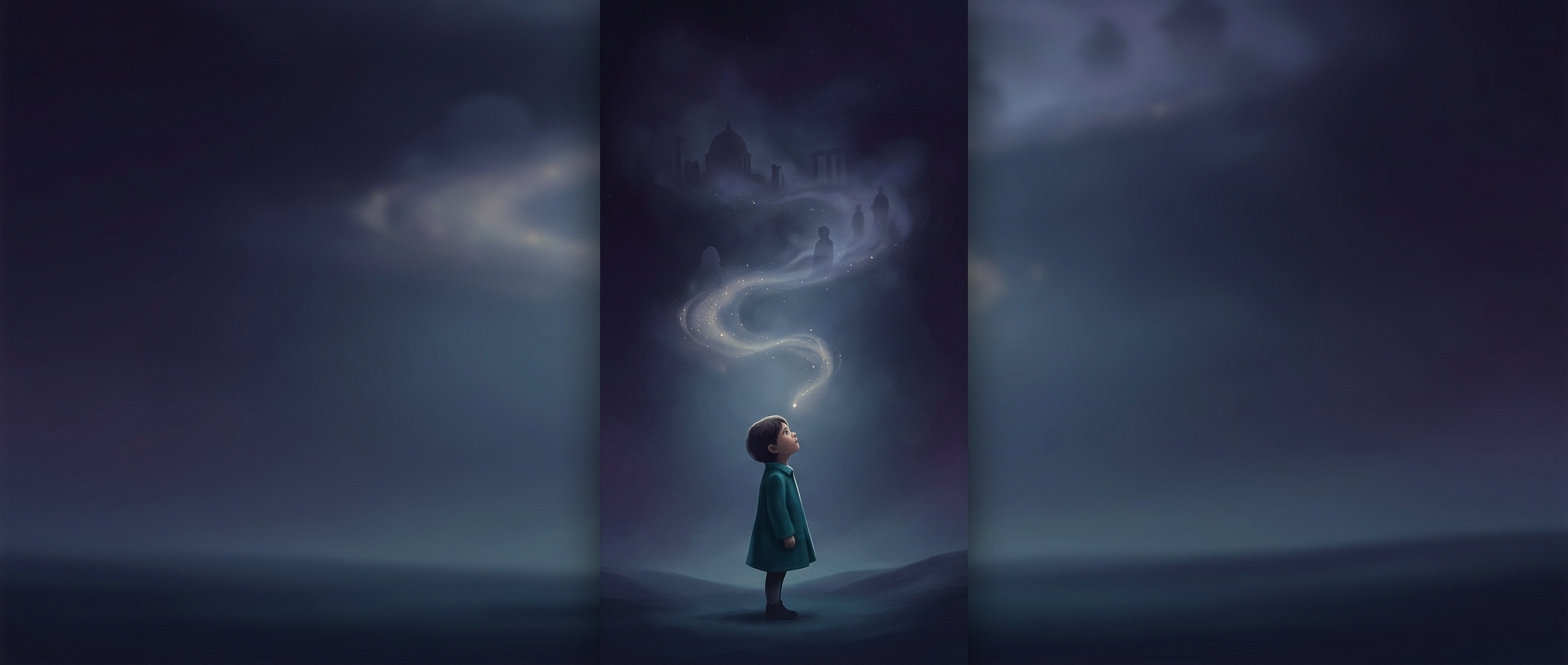
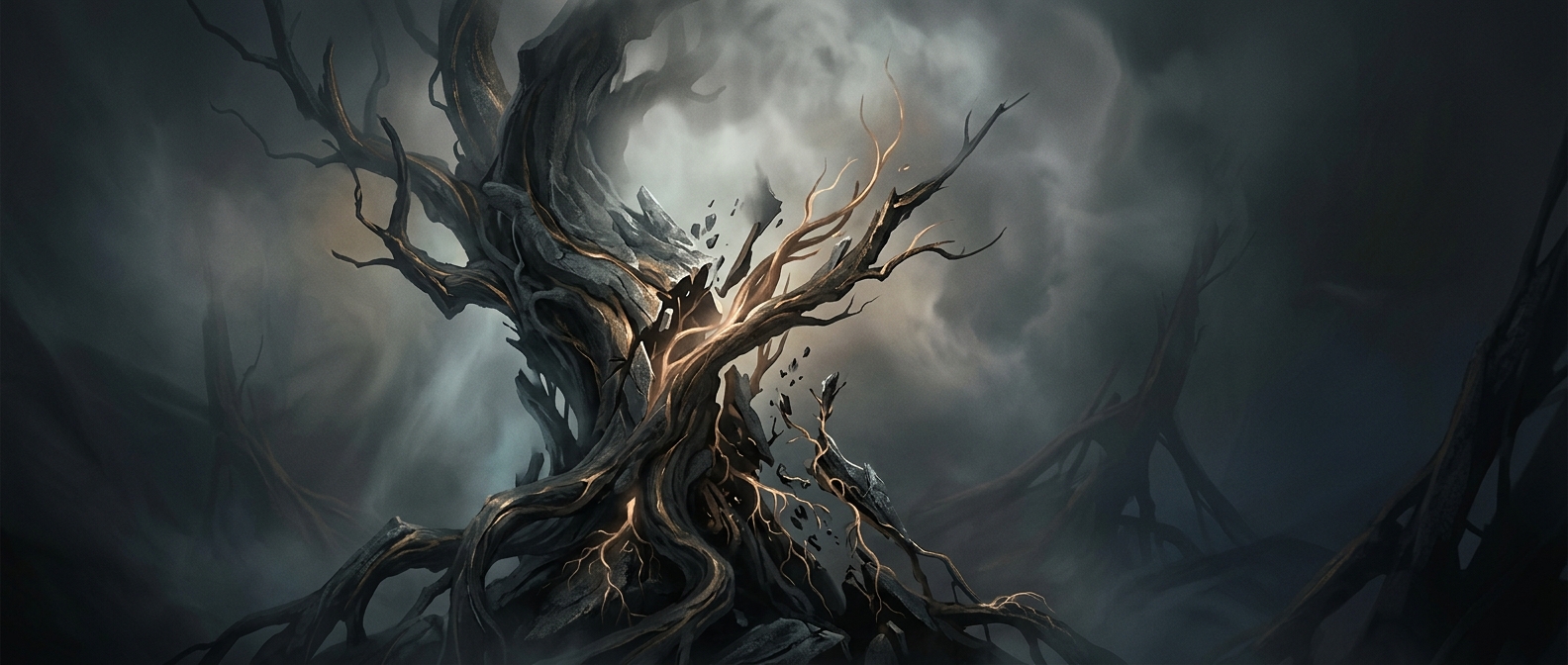
In this spiritual view, a person’s life is not understood as a sequence of events chosen only after birth. A “higher self”—a wiser, enduring aspect of the person—is believed to select certain challenges beforehand because they can foster transformation. A wound or hardship may therefore be interpreted not simply as an interruption to life, but as part of a larger journey of growth.
The Meaning Depends on Choice
The idea changes the question asked of suffering. Instead of only asking, “Why did this happen to me?” someone might ask, “What can I become through this?” The hardship is not necessarily imagined as pleasant or easy; its proposed purpose is that meeting it can deepen qualities such as courage, compassion, or self-understanding.
That interpretation can offer a sense of direction when events feel senseless. But it is a spiritual framework for making meaning, not proof that a person wanted or deserved what happened. Finding meaning in pain is different from assigning blame for it. The distinction matters especially when someone is injured, grieving, or facing circumstances they did not control.
Growth Does Not Require Enduring Harm
Read carefully, the belief need not mean that people should remain in danger or refuse help. Seeking treatment, setting boundaries, and accepting support can themselves be part of how a person responds to hardship. The transformation lies not in suffering for its own sake, but in the possibility of choosing what to do next.
That is why the idea can feel both demanding and hopeful: it imagines a larger purpose behind difficulty while leaving room for care, recovery, and human choice in the present.