A cactus built for slow growth
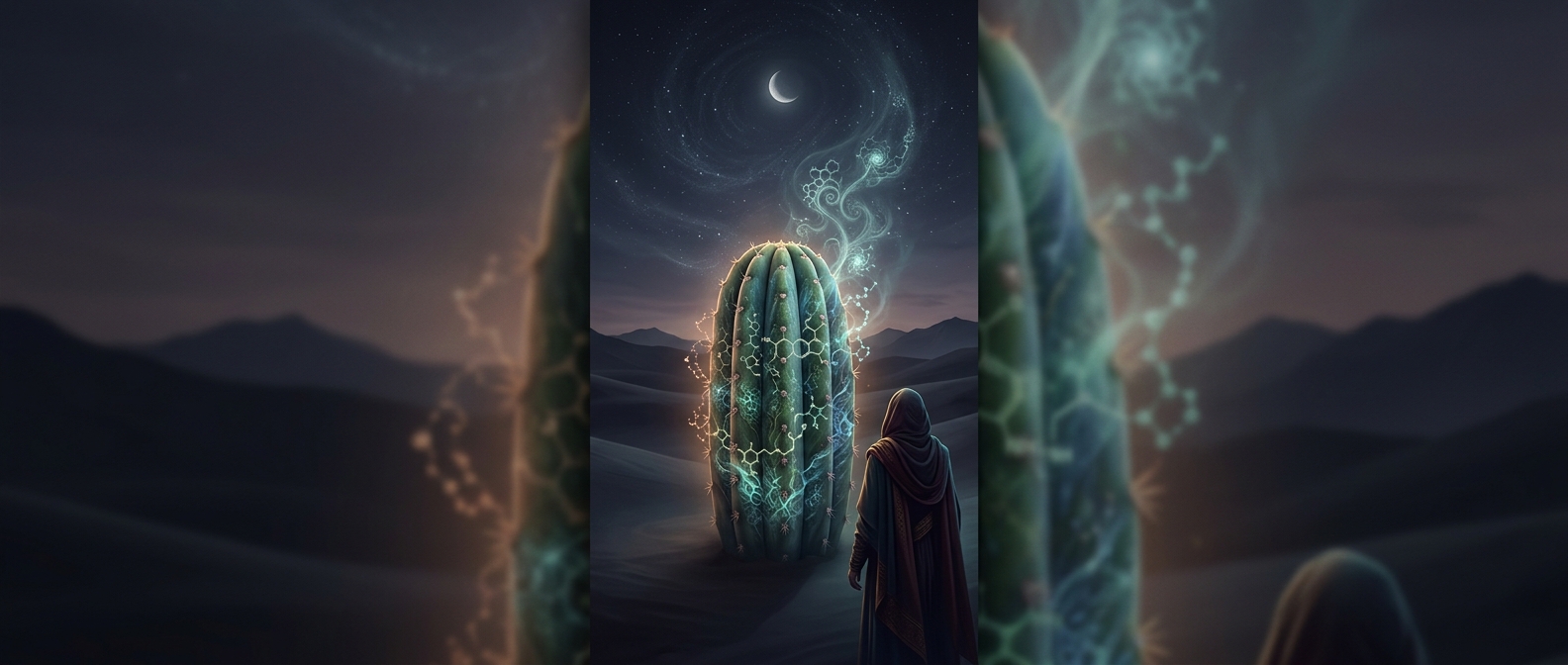
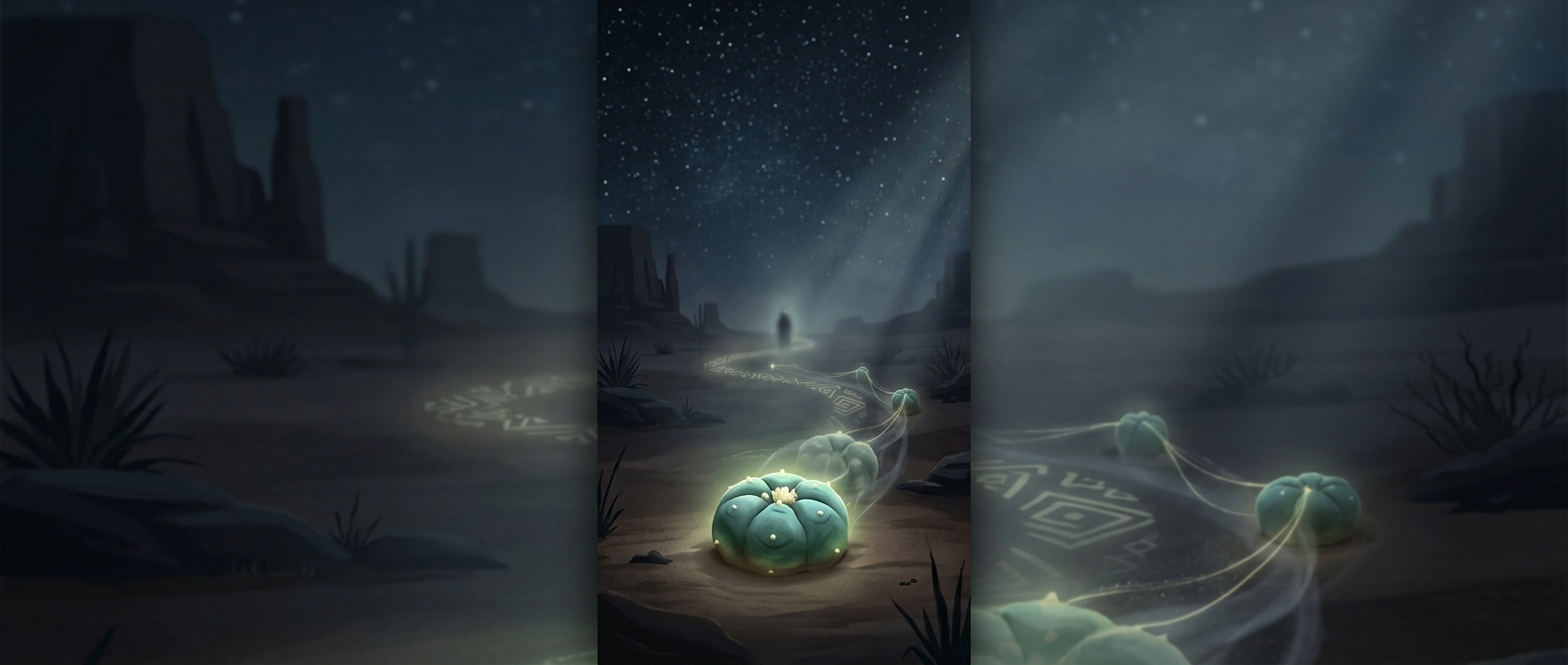
Peyote (Lophophora williamsii) spends much of its life growing close to the ground in the dry, often rocky landscapes of northern Mexico and parts of the southern United States. Its small size is easy to mistake for rapid maturity: the cactus grows slowly, and reaching a harvestable size in the wild can take many years. Rainfall, soil, and other local conditions affect the pace, so there is no single timetable for every plant.
The rounded crowns above the ground are commonly called “buttons.” They contain mescaline, a psychoactive compound that can alter perception and mood. A button is only the visible part of a living cactus, however—not a disposable fruit. The plant’s survival depends on the root and the time it takes to produce new growth.
Why slow growth matters
When a slow-growing wild plant is removed faster than nearby plants can mature and replace it, local populations can decline. That makes peyote especially vulnerable to repeated harvesting and habitat pressure. Its long maturation time also helps explain why cultivation is not a quick substitute for wild plants.
Peyote has longstanding ceremonial significance for some Indigenous communities, where its use is part of a larger spiritual and cultural practice. The cactus is therefore more than a source of a psychoactive substance: it is a living plant with ecological limits and deep cultural meaning. A harvest that takes moments can represent years of growth—and affect what remains for the future.