How a child’s story became a case
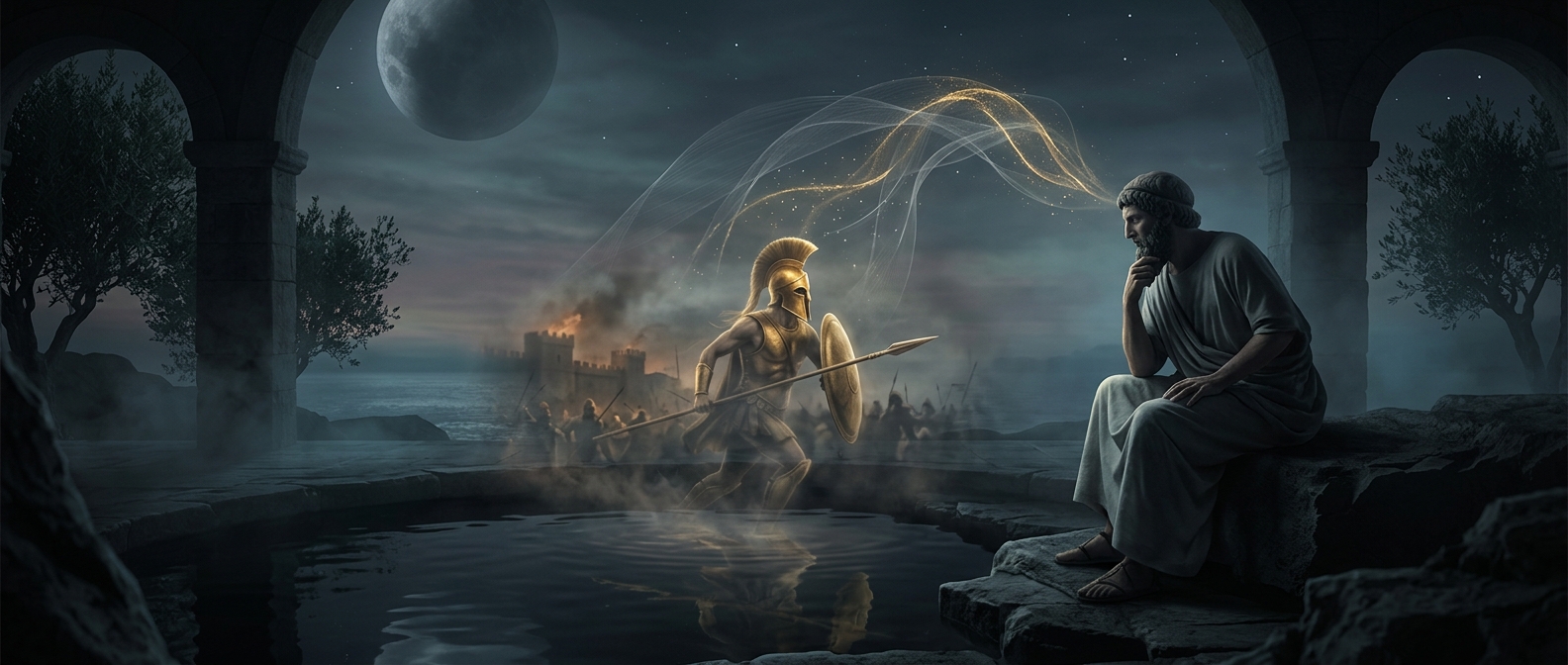
Ian Stevenson’s work began with reports, not with a way to test whether reincarnation was real. Families described young children who spoke as if they remembered another life—sometimes naming a place, a person, or the manner of a death. Stevenson interviewed children and relatives, trying to preserve the details while the children were still young and the accounts were fresh.
The crucial next step was comparison. Investigators looked for a deceased person whose life matched the child’s claims, then checked specific details against people who had known that person or against available records. A match involving several particulars could make a case more compelling than a general statement such as “I lived somewhere else.”
What verification can—and cannot—establish
Checking details helps distinguish a documented match from a story repeated without investigation. But it cannot, by itself, show how the child acquired the information. A detail might have reached a child indirectly through adults or local conversation; some claims may be mistaken, while striking matches are more likely to be remembered and reported than failures.
Those difficulties matter because these were investigations of unusual reports, not controlled experiments in which every child’s statements could be recorded and tested under the same conditions. Stevenson’s case files therefore offer material to examine, but the interpretation remains contested: evidence that a child’s claims correspond to a deceased person’s life is not the same as proof that the child lived that life.
The striking feature of the work is its attention to particulars. It turned family stories into questions that could be checked—and left readers to decide what a verified correspondence means.