A closer look
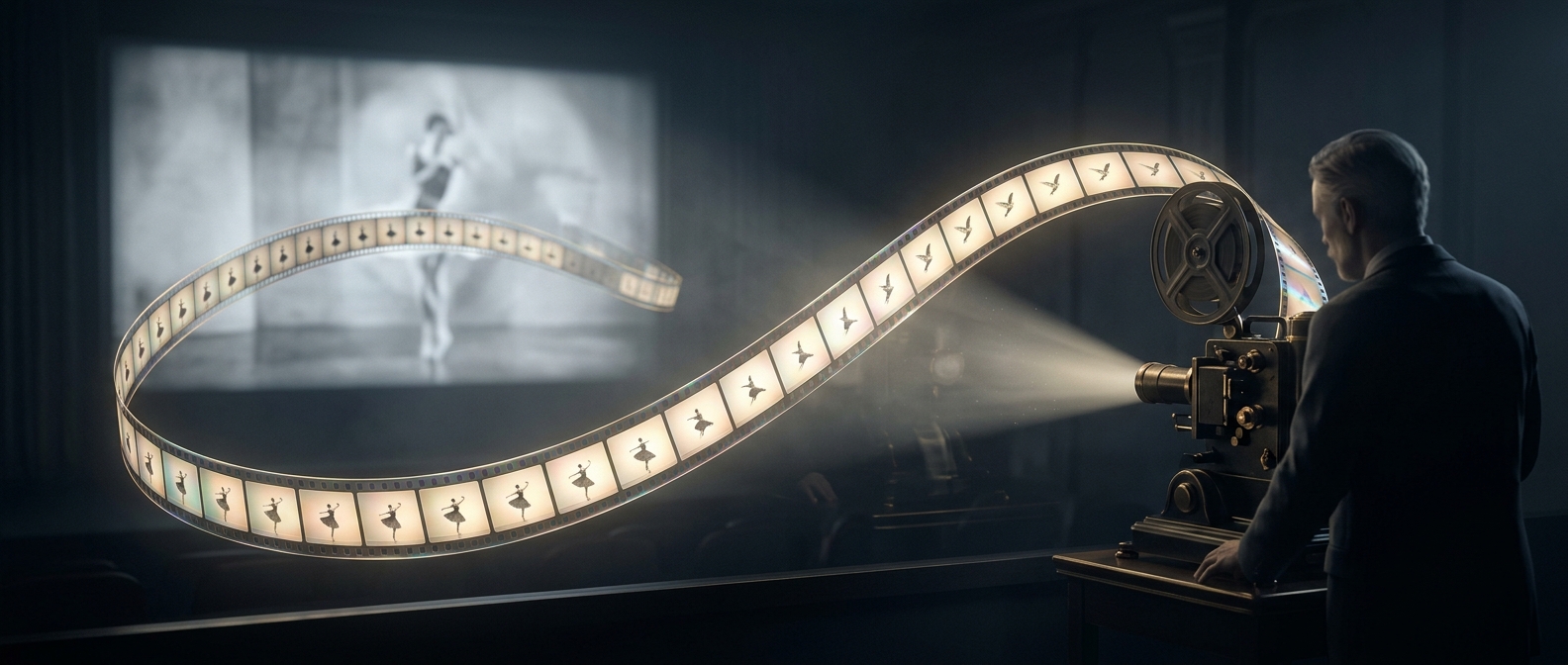
The absolute bare minimum required to fool the human brain. When sound was added to film in the late 1920s, the industry needed a standardized universal speed for the audio to sync properly. They chose 24 frames per second because it was literally the absolute slowest—and therefore cheapest—speed that still produced smooth motion and high-fidelity sound. We view cinematic aesthetics today based entirely on a century-old cost-cutting measure.