Why Polio Rose With the Summer Crowds
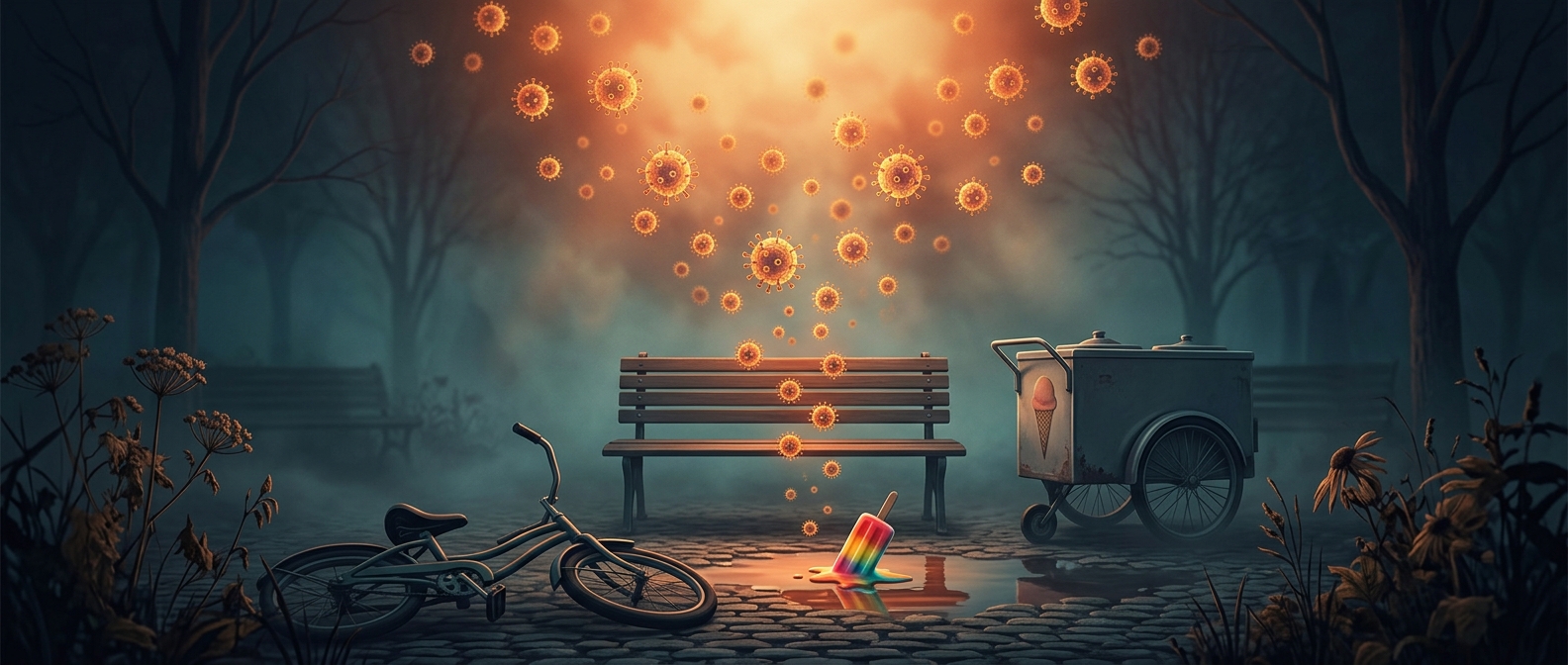
Polio is caused by a virus that can multiply in the intestine and leave the body in stool. It spreads when tiny amounts of contaminated material reach another person’s mouth—through unwashed hands, food, or water, for example. Warm-weather routines brought children together at camps, neighborhood play, and swimming areas, creating more chances for the virus to pass between people.
A pool was not automatically dangerous: the risk depended on whether water or surfaces became contaminated and whether sanitation prevented exposure. The broader change was social. Children who spent more time together shared more opportunities for infection than they did during the school year’s more regular routines.
The Outbreak Was Hard to See Coming
Most people infected with polio did not develop paralysis, and some had few or no noticeable symptoms. They could still help the virus circulate. That made an outbreak difficult to spot at first: a chain of infections could grow among people who seemed well before a small number became seriously ill.
The seasonal pattern therefore joined an invisible spread to a highly visible consequence. Paralysis could arrive after ordinary gatherings had already connected many families, making playgrounds and public pools seem newly threatening. Summer did not make polio more severe; it helped create more opportunities for the virus to travel.