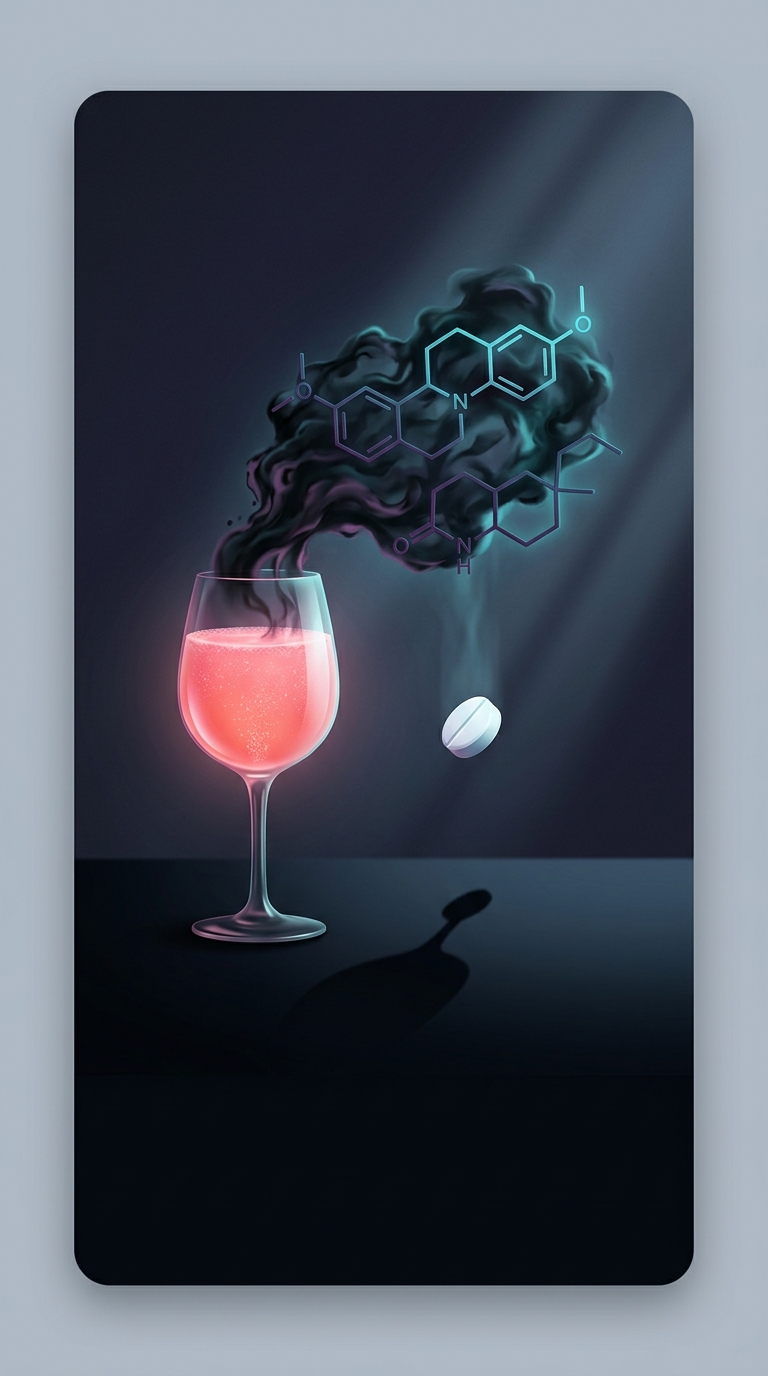
Grapefruit can disable a drug-processing step
After you swallow a medicine, enzymes in the wall of the small intestine help break down some of it before it reaches the bloodstream. Grapefruit contains compounds that can block one of those enzymes, called CYP3A4. When a drug normally depends on that enzyme, less of it is broken down on the way in—and more can reach the blood than the prescribed dose was meant to deliver.
For certain medicines, that unexpectedly high exposure can intensify side effects or cause serious harm. The interaction can be especially hard to manage because simply separating the juice and the pill by a few hours may not prevent it: the enzyme can remain impaired after the drink is gone.
The warning is specific to particular medicines
Grapefruit does not interact dangerously with every prescription. The risk depends on how a particular drug is absorbed and processed; some medicines are affected little or not at all. A few interactions can even lower a drug’s absorption rather than raise it, because grapefruit can affect other transport processes in the intestine.
That is why a medication label or pharmacist’s advice matters more than a blanket rule about all drugs. For a medicine with a known grapefruit interaction, the safest choice is usually to avoid grapefruit products as directed—not to guess that a smaller serving or different timing makes them harmless. The same glass of juice can be an ordinary breakfast for one patient and a meaningful change in drug exposure for another.