Why untreated maize can leave the body short of niacin
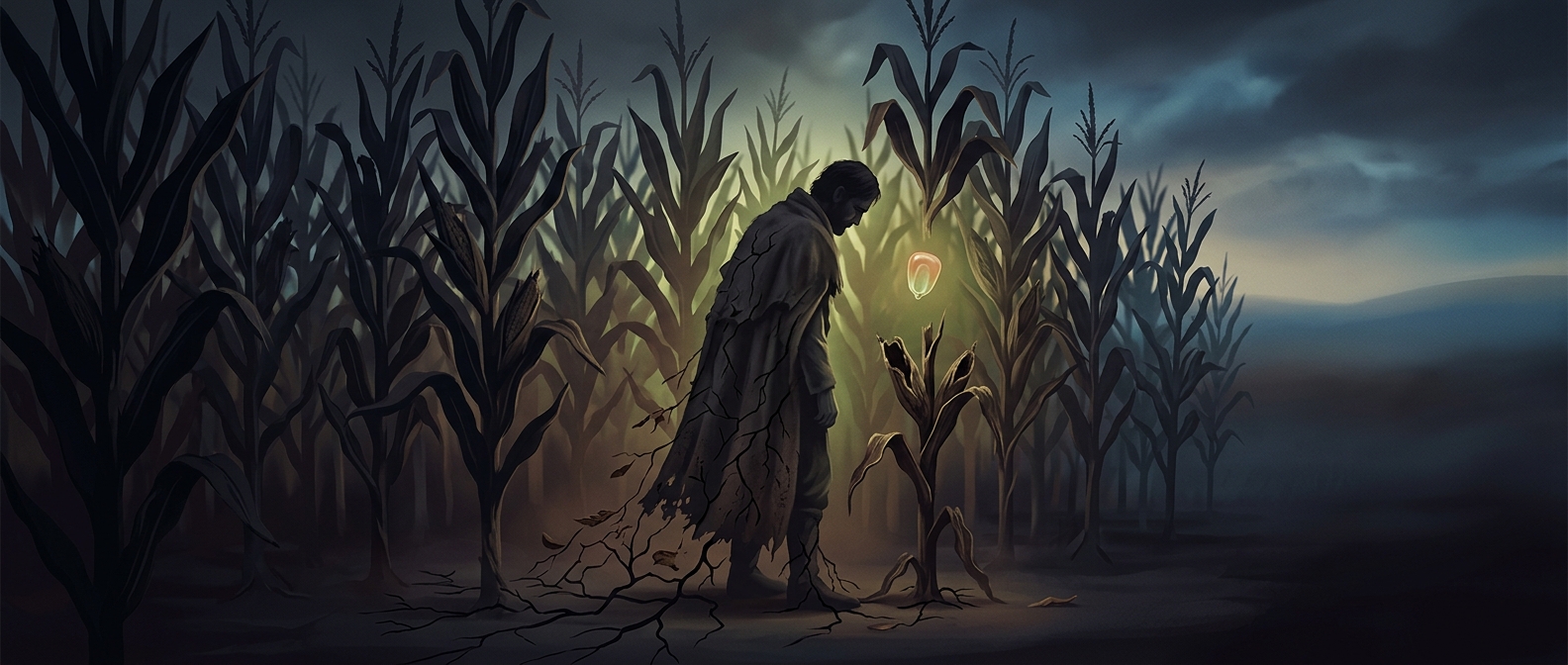
Maize contains niacin, a B vitamin the body needs to release energy from food and maintain healthy skin, nerves, and digestion. But much of the niacin in untreated maize is chemically bound in forms the human gut cannot readily absorb. A diet can therefore contain plenty of corn while still supplying too little usable niacin.
The body can also make some niacin from the amino acid tryptophan, found in protein. That backup route is limited: it cannot reliably make up the shortfall when maize dominates the diet and other sources of niacin or protein are scarce.
The preparation step that changes the food
Traditional maize processing in many regions uses an alkaline treatment: kernels are cooked or soaked with lime (calcium hydroxide) or ash, then rinsed. The process, known as nixtamalization, changes the kernel’s chemistry and makes more of its niacin available for absorption. It also softens the kernels and alters their flavor and nutritional properties.
The contrast is not simply “corn versus no corn.” It is partly about how the corn is prepared and what else people can eat. Where maize is processed without an alkaline step and forms the bulk of a diet with few alternatives, the risk of niacin deficiency rises.
When deficiency becomes pellagra
Without enough niacin, cells struggle to carry out essential chemical reactions. Over time, deficiency can cause pellagra, often associated with the four Ds: dermatitis, diarrhea, dementia, and, in severe untreated cases, death. The symptoms reflect damage across several systems, rather than a problem limited to the skin or stomach.
A small change in how a staple grain is processed can thus have consequences far beyond the kitchen: it can determine whether a vitamin already present in the food is accessible to the body.