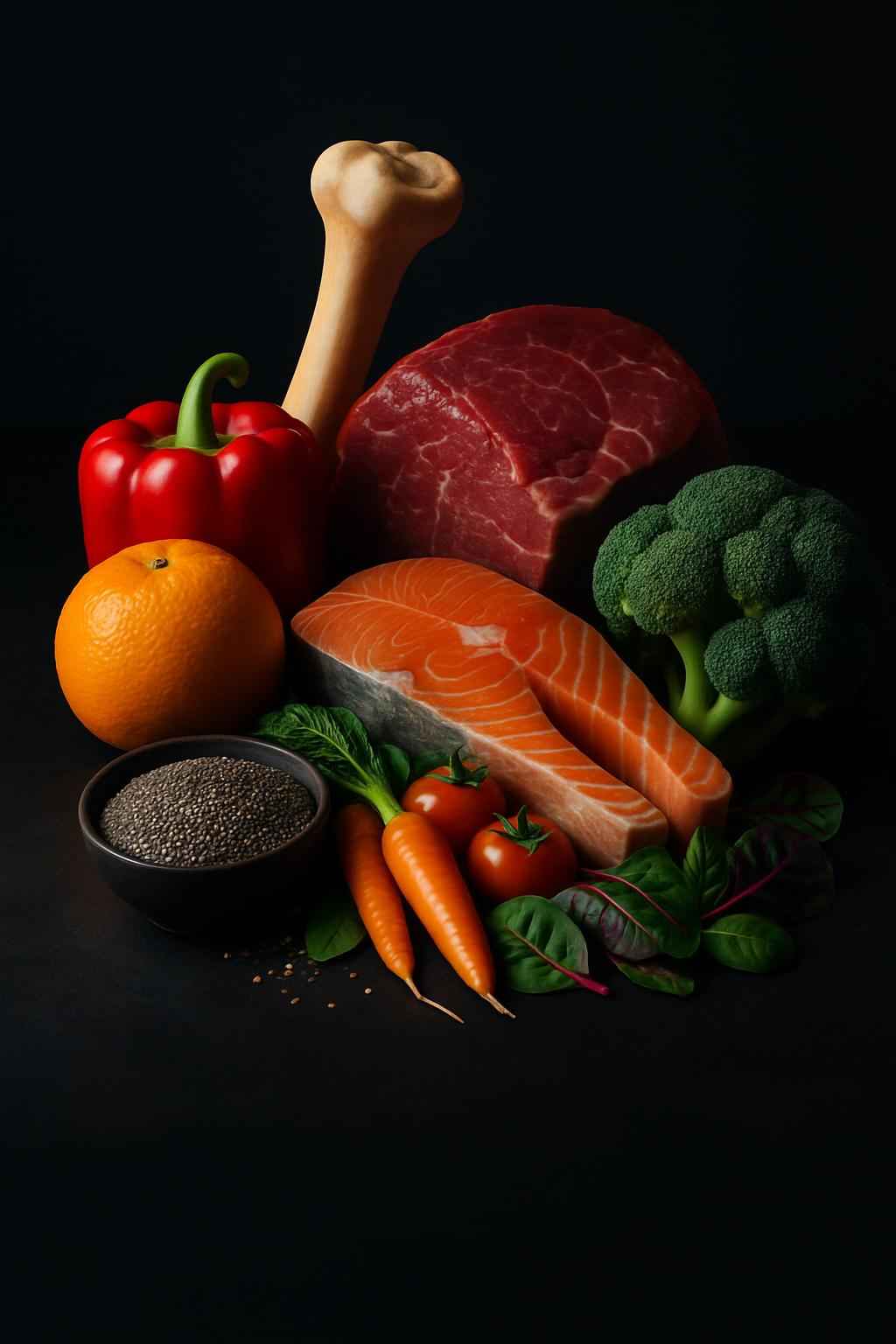
How plant-rich meals support the arteries
Colorful fruits and vegetables contain more than antioxidant compounds. They also supply fiber, potassium, folate, and other nutrients that influence blood pressure, cholesterol, and blood-vessel function. These effects arise from a whole dietary pattern, not from one brightly colored food or a single “anti-inflammatory” ingredient.
Fiber, especially the soluble kind found in foods such as beans, oats, apples, and citrus, can help lower LDL cholesterol by reducing how much cholesterol the body reabsorbs. Potassium helps counterbalance sodium’s effects on blood pressure. Plant compounds called polyphenols may also affect signals involved in inflammation and the production of nitric oxide, a molecule that helps blood vessels relax.
Antioxidants are part of a larger system
Cells constantly produce reactive molecules as they use oxygen and respond to stress. Antioxidants help control these molecules, but the body also makes its own antioxidant enzymes. Eating antioxidant-rich foods does not simply “mop up” all oxidative stress, and inflammation is not always harmful: it is part of the immune system’s response to injury and infection. The concern is a persistent, poorly regulated inflammatory state, which can contribute to disease over time.
That is why the evidence points more reliably to eating patterns than to isolated antioxidant supplements. A plate built around vegetables, fruit, legumes, nuts, and whole grains can also leave less room for foods high in refined starch, added sugar, and excess sodium. The benefits come from this combination of additions and substitutions—not from color itself.
Variety makes the pattern practical
Different plants provide different fibers and compounds, so rotating choices is a sensible way to broaden what a diet supplies. Fresh, frozen, and canned produce can all fit; rinsing canned vegetables and beans can reduce added sodium. These habits support cardiovascular health, but they cannot guarantee slower aging or prevent every chronic condition. Their value is cumulative: an everyday meal can quietly replace a less helpful choice while contributing nutrients the body uses to maintain healthy blood vessels.