How cassava can release cyanide
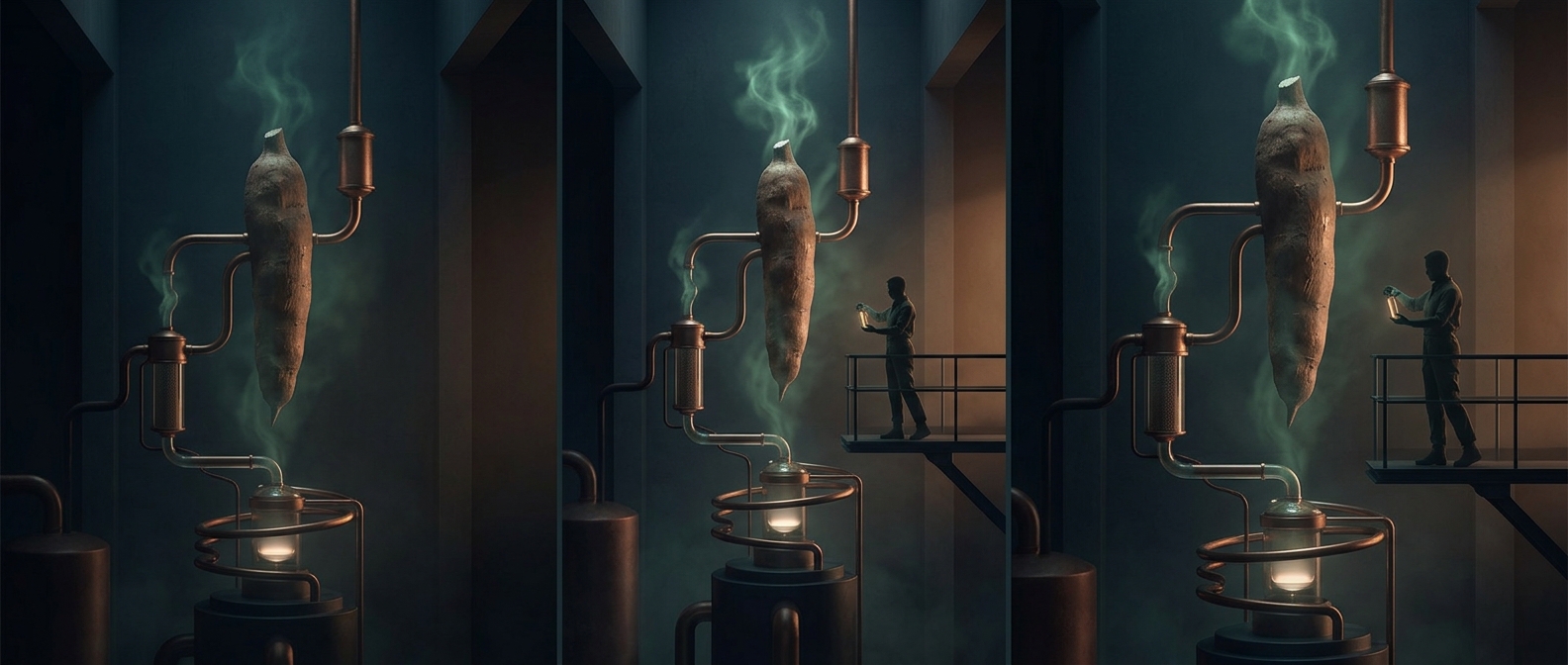
Cassava stores much of its energy as starch, but its tissues also contain linamarin, a natural compound that can generate cyanide. When the root is cut, crushed, or chewed, linamarin can come into contact with enzymes that help convert it into cyanide. Digestion can continue that process, so eating the root raw—or inadequately processed—can expose the body to a harmful dose.
Preparation interrupts the hazard
The goal is to reduce or remove the cyanide-releasing compounds before the cassava is eaten. Different preparation steps work in different ways: soaking and fermentation give the compounds time to break down or leach into water, while cooking helps drive off cyanide and alter the remaining compounds. Combining steps can be important, particularly for bitter varieties, which tend to contain more cyanogenic compounds than sweeter ones.
This is why “thoroughly cooked” matters: simply warming cassava or tasting a little to judge its safety is not a reliable substitute for proper processing. The safe method depends on the variety and the way it is prepared; traditional processing methods often use several stages rather than one quick step.
A food made safe by know-how
Cassava is a valuable staple in many regions, but its usefulness depends on treating it as a crop that requires preparation, not as a root that is ready to eat straight from the ground. The key distinction is practical: the starch provides the food, while the preparation makes it safe to eat.