What Your Body Uses to Maintain Joint Tissue
A joint is more than the meeting point between two bones. It includes cartilage, tendons, ligaments, and other connective tissues, many of which contain collagen—a structural protein that helps give tissue strength and flexibility. The body continually breaks down and rebuilds this material, so it needs both the raw ingredients and the conditions required to make it.
Vitamin C is one of those requirements. Cells use it during the steps that stabilize newly made collagen fibers. Without enough vitamin C, collagen production is impaired; with adequate intake, eating extra vitamin C does not automatically send more collagen to a particular knee. The nutrient supports a normal bodily process, rather than acting as a joint-specific repair switch.
Why Pairing Foods Makes Sense
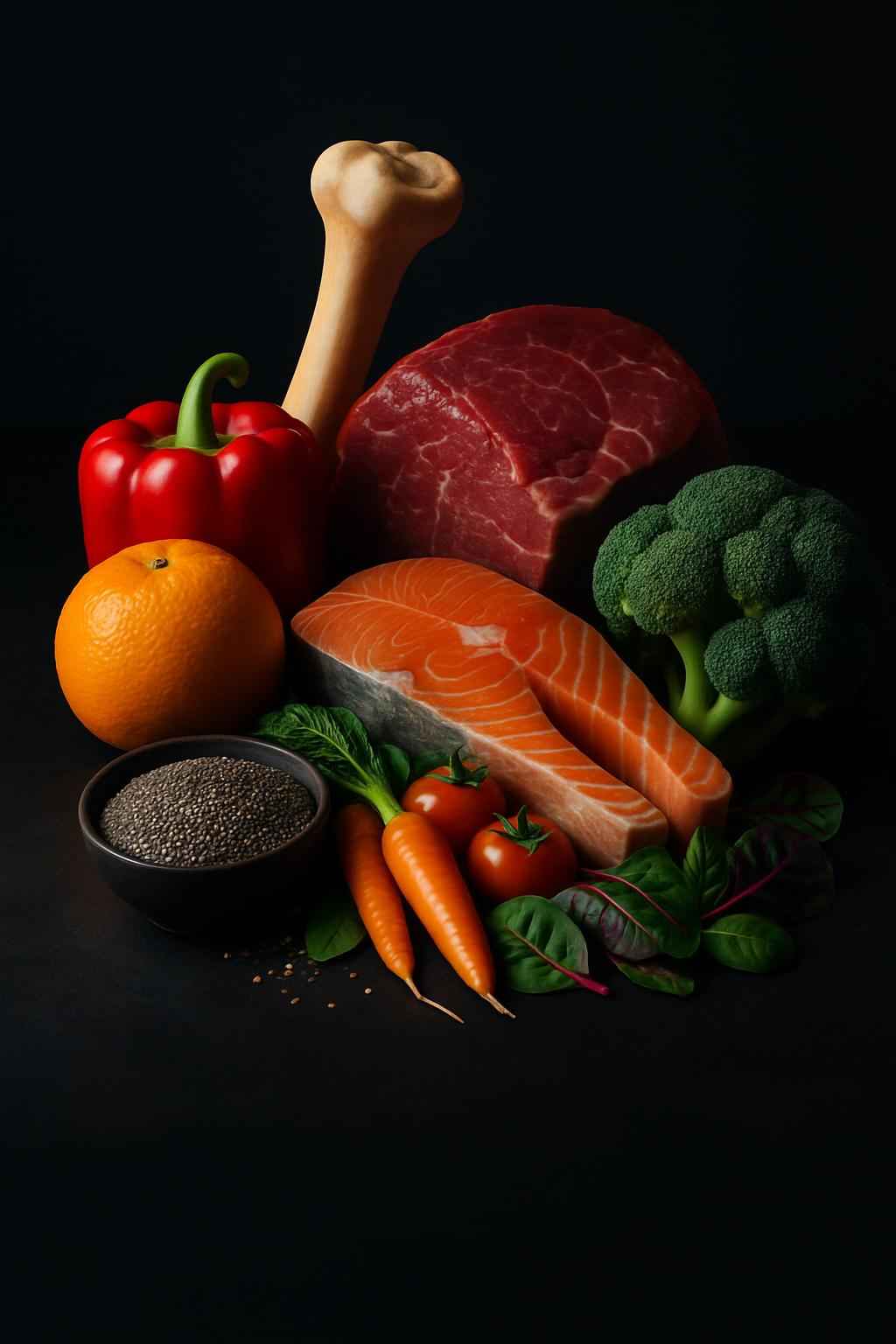
Collagen-rich foods supply protein that digestion breaks into amino acids and smaller fragments. Those become part of the broader pool the body draws on to build proteins, including collagen. Vitamin C-rich foods—such as citrus, berries, peppers, and broccoli—supply a nutrient needed in that construction process. Eating them together can make a meal that provides both, but the body does not simply transfer the collagen from food straight into a joint.
Fish offers a different contribution. Oily fish contain omega-3 fats, which the body uses to produce signaling molecules involved in inflammation. These signals can influence inflammatory activity, but food choices are not a precise way to turn inflammation off in one joint, and eating fish cannot guarantee protection from wear or injury.
A Meal Pattern, Not a Knee Shield
The practical point is to make these foods part of an overall varied diet: include sources of protein, get vitamin C from produce, and choose oily fish regularly if it suits your diet. Each supports normal body functions through a different route. The connection is biological support, not a promise that a particular food will rebuild cartilage or keep knees pain-free at ninety.