Two different routes to feeling energized
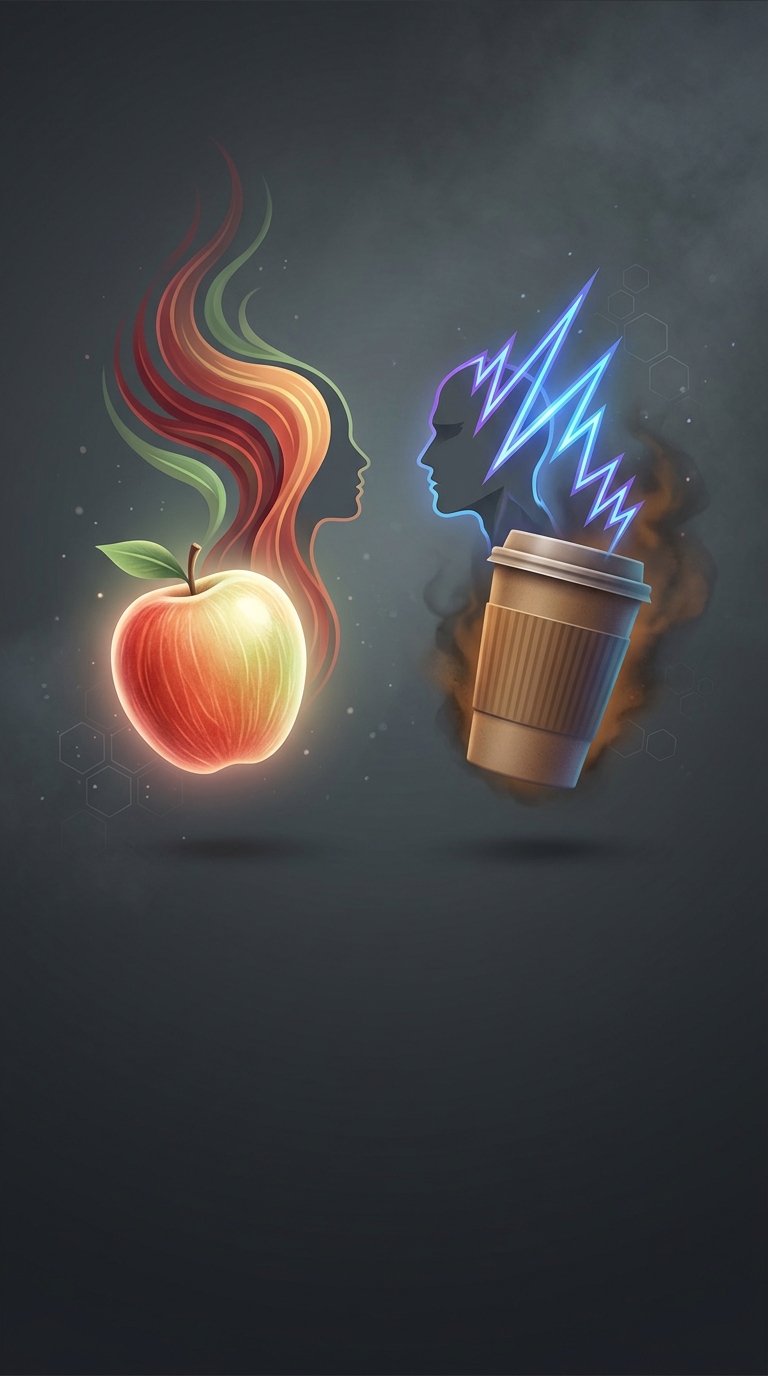
An apple and a cup of coffee can both feel like a morning boost, but they act through different systems. The apple supplies carbohydrates that digestion breaks down into sugars the body can use for fuel. Its fiber slows digestion compared with a sugary drink, while chewing takes time and makes the snack feel more substantial. That does not mean the fruit delivers a measured, steady stream of energy specifically to the brain: the brain’s fuel supply is regulated by the body, and fructose is largely processed by the liver before it can contribute to blood glucose.
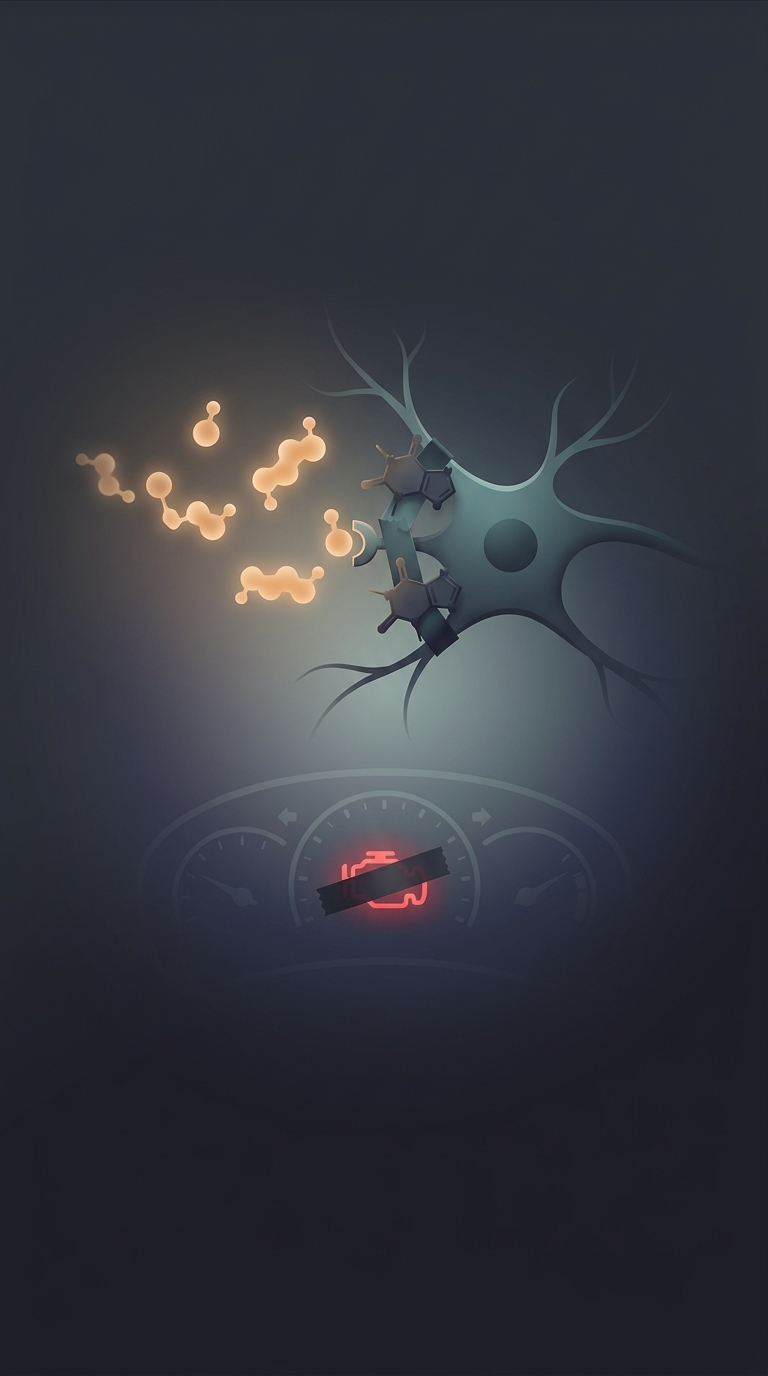
Coffee’s best-known effect is different. Caffeine does not provide fuel; it blocks adenosine, a brain chemical that builds up during waking hours and promotes sleepiness. As that signal is muted, a person may feel more alert. Because coffee is quick to drink and caffeine is absorbed over time, the effect can emerge without the slower process of eating and digesting a whole fruit.
Why the timing feels different
The apple’s pace comes from the whole eating experience: biting and chewing take time, and its intact plant structure slows the release of its carbohydrates compared with a drink. The coffee’s quick delivery is partly practical—there is no solid food to chew—and partly chemical, because caffeine changes the brain’s perception of fatigue rather than waiting for calories to be digested.
Neither timing is identical for everyone. The size of the serving, what else a person has eaten, and individual sensitivity to caffeine can all shape the experience. An apple offers food energy; coffee mainly changes alertness. That distinction explains why one may feel like a gradual snack and the other like a more immediate nudge to wakefulness.