Why “decaf” isn’t the same as caffeine-free
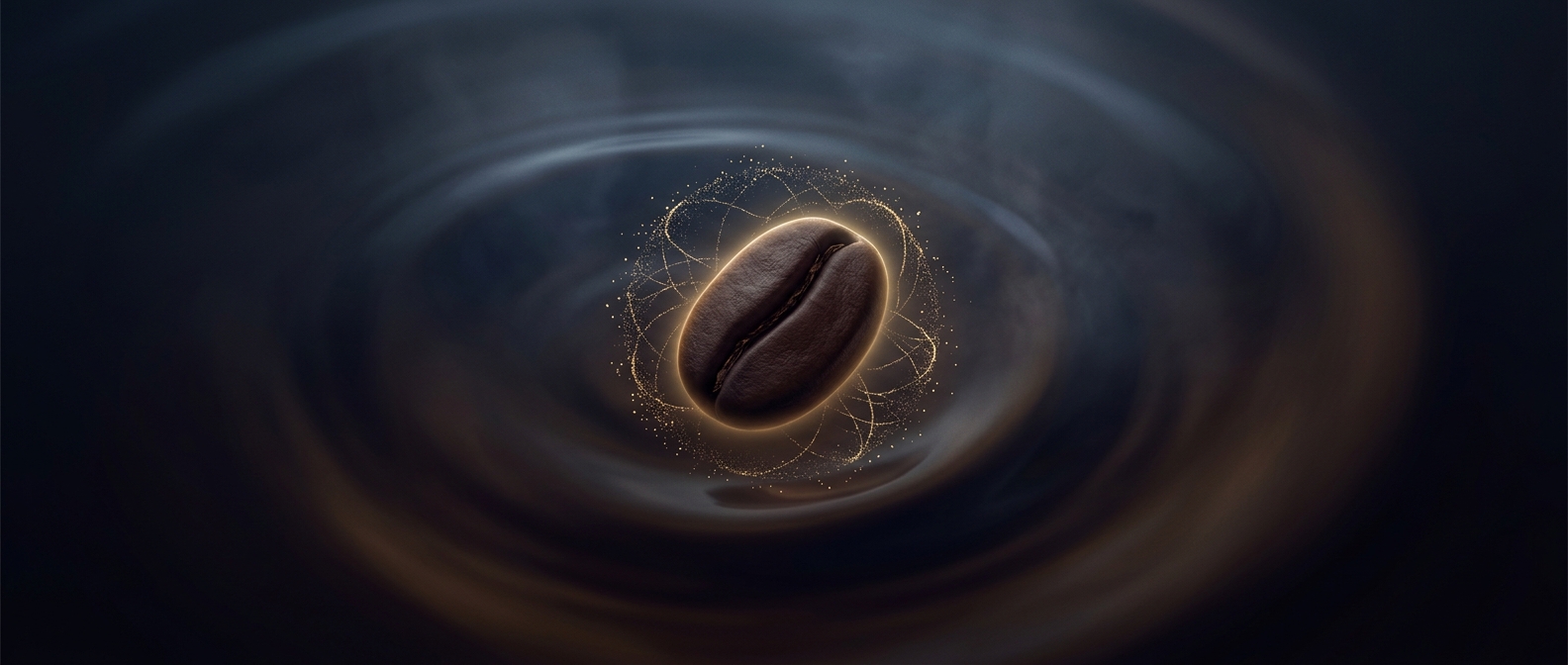
Decaffeination reduces caffeine in coffee beans; it does not necessarily remove every last trace. The process is carried out on green, unroasted beans, using water, solvents, or pressurized carbon dioxide to draw caffeine out. These methods can remove most of it while leaving a small amount behind.
That caffeine follows the beans into the cup. How much ends up in a serving can vary with the beans, the decaffeination method, and how the coffee is brewed, so “decaf” does not promise a uniform amount—or zero.
Why a trace can still matter
For many people, the remaining caffeine is too little to notice. But caffeine sensitivity varies: some people feel its effects at amounts others barely register. A person switching to decaf to avoid caffeine entirely may therefore still encounter a small exposure, especially across multiple servings.
Decaf is best understood as a lower-caffeine choice, not a caffeine-free guarantee. If even a small amount matters to you, the practical detail is that each cup can add to the total.