Why the Two Clocks Can Line Up
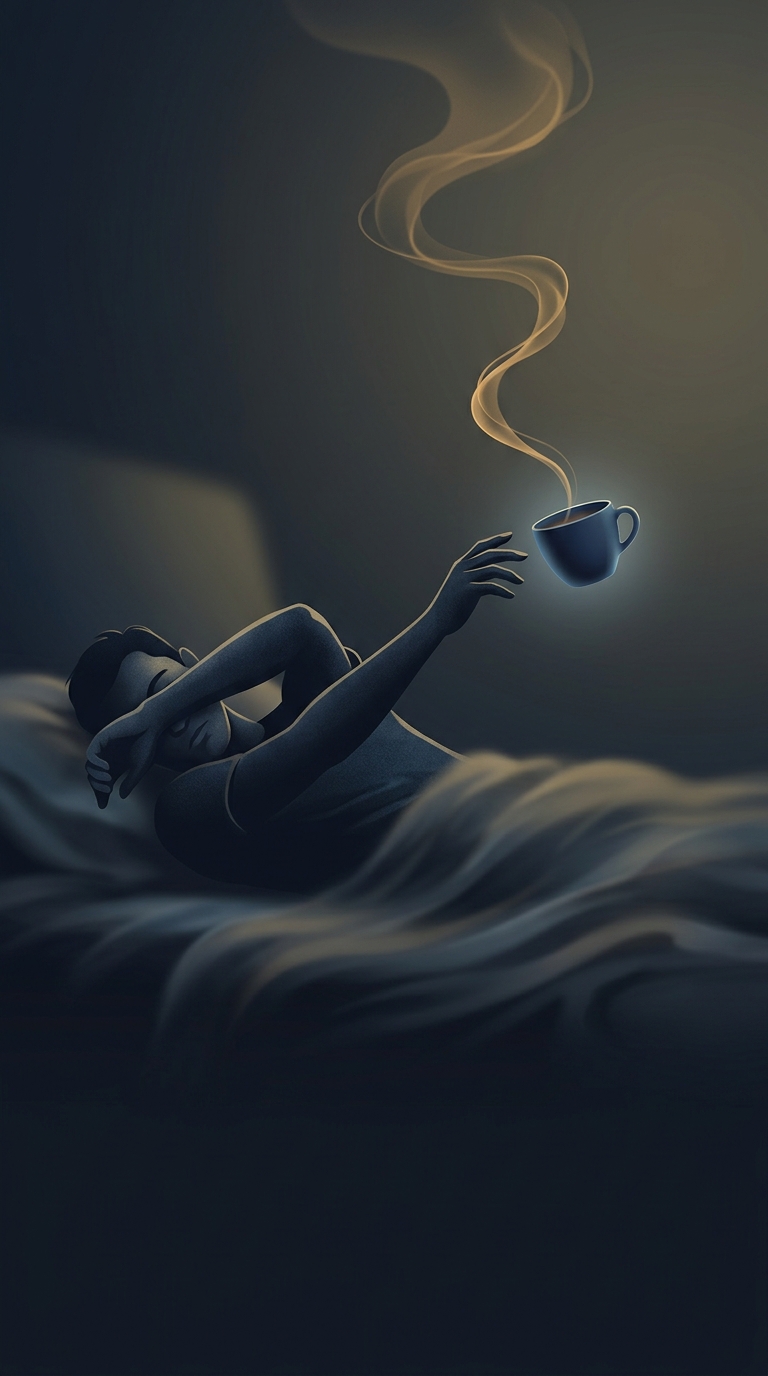
Caffeine does not switch on the instant you swallow it. It must pass from the digestive system into the bloodstream and then reach the brain. Meanwhile, a short nap can take the edge off sleepiness before you wake. When the timing works, you may rise from the nap as caffeine is beginning to make its effects felt.
The pairing is less like clearing a blocked pipe than briefly changing the balance of signals. Adenosine is a brain chemical whose effects help build sleep pressure during waking hours. Caffeine resembles adenosine closely enough to occupy some of its receptors, reducing the chemical’s ability to deliver that drowsy signal. Sleep can ease sleep pressure, but a nap does not instantly empty the brain of adenosine.
Why a Short Nap Matters
A brief nap is more likely to end before you sink into deeper sleep, which can make waking feel groggy—a phenomenon called sleep inertia. That grogginess can blunt the very alertness the coffee nap is meant to restore. Keeping the nap short is an attempt to gain some rest without waking in the middle of a heavier sleep stage; it is not a guarantee.
The two clocks vary from person to person. Caffeine’s arrival depends on factors such as how quickly the body absorbs it, while falling asleep may take longer than expected. If you remain awake, the caffeine may become noticeable before the nap happens—or the nap may not happen at all. The practical gamble is that you drift off quickly enough for a little rest, then wake as caffeine starts blocking adenosine’s effects.