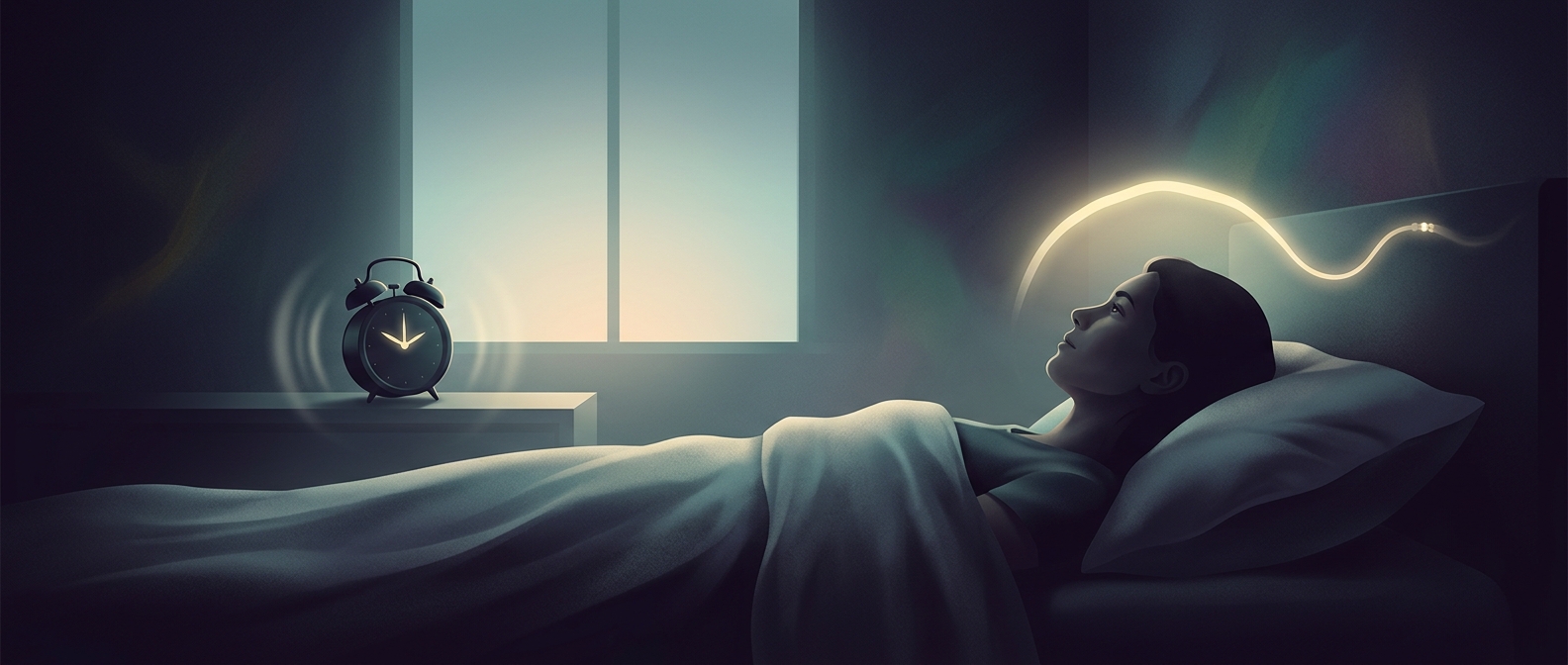
Why sleepiness can lift before bedtime
Sleep pressure builds the longer you stay awake: the brain gradually becomes more ready for sleep. But it is not the only force shaping how alert you feel. Your circadian system—the body’s roughly 24-hour timing mechanism—also sends signals that promote wakefulness during parts of the day. As the usual bedtime approaches, that alerting signal can briefly counter the growing pressure to sleep. This interval is often called the wake-maintenance zone.
The result can feel like a small second wind: you may feel clearer or more energetic even though you have been awake for many hours. The change is not evidence that your body suddenly needs less sleep. Rather, a temporary wake-promoting signal can make accumulated tiredness less noticeable.
A second wind is not a reset
The timing tends to follow a person’s usual sleep schedule, so the alerting bump may arrive before the bedtime the body has come to expect. It is not a precise alarm that rings at the same hour for everyone, and the experience can vary from night to night. Bright light, activity, stress, and other influences on alertness may also affect how noticeable it feels.
Because the boost can disguise sleep pressure, someone may keep working, scrolling, or starting another activity and then find it harder to wind down. The practical lesson is simple: feeling briefly more awake does not erase the sleep your body still needs. A late-evening burst of energy can be part of the transition toward sleep, not a sign that bedtime no longer matters.