How the body learns a wake-up time
The brain’s internal clock is a cluster of cells that helps coordinate daily rhythms, including sleepiness and alertness. Light is its strongest timing cue: morning light helps align the clock with the day. A consistent bedtime and wake time also give it a dependable pattern to anticipate.
As the expected morning approaches, the clock can shift the body toward wakefulness. Body temperature begins to rise from its nighttime low, and signals that support alertness change. These adjustments do not flip a switch from asleep to awake; they make waking more likely and can bring a person closer to the surface of sleep.
Why the alarm can seem late
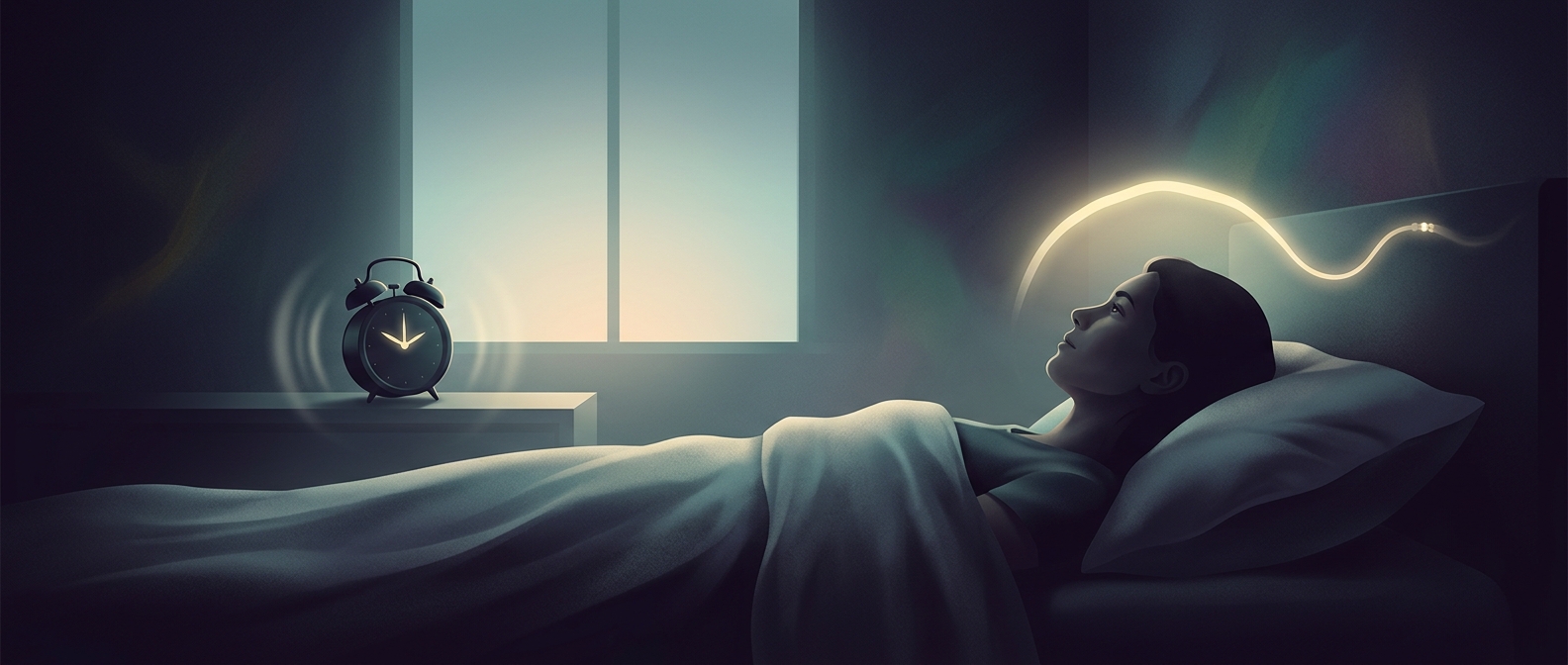
If a person follows much the same schedule each day, the brain can use that pattern to prepare before the alarm sounds. The alarm is still an external cue, but it may arrive after the body has already begun its transition toward waking. That is why someone can open their eyes shortly before the beep without consciously calculating the time.
This timing is not a perfect prediction. A changing schedule, late nights, or other disruptions can make the body’s estimate less reliable. But when the routine is steady, the alarm may feel less like the start of morning than a confirmation that the body’s clock was already counting down.