Sleep helps turn practice into a more durable skill
Learning a movement—such as a piano passage or a tennis serve—does not end when practice stops. Practice changes activity across brain circuits involved in controlling and coordinating the skill, but those changes are initially fragile. Sleep gives the brain time to stabilize and reorganize some of what was learned.
The brain revisits parts of the practice
During sleep, patterns of brain activity associated with recent experiences can reappear. In skill learning, this reactivation is thought to help reinforce connections among the circuits that worked together during practice. The brain is not consciously running through the lesson like a person rehearsing; it is processing pieces of the learning without waking awareness.
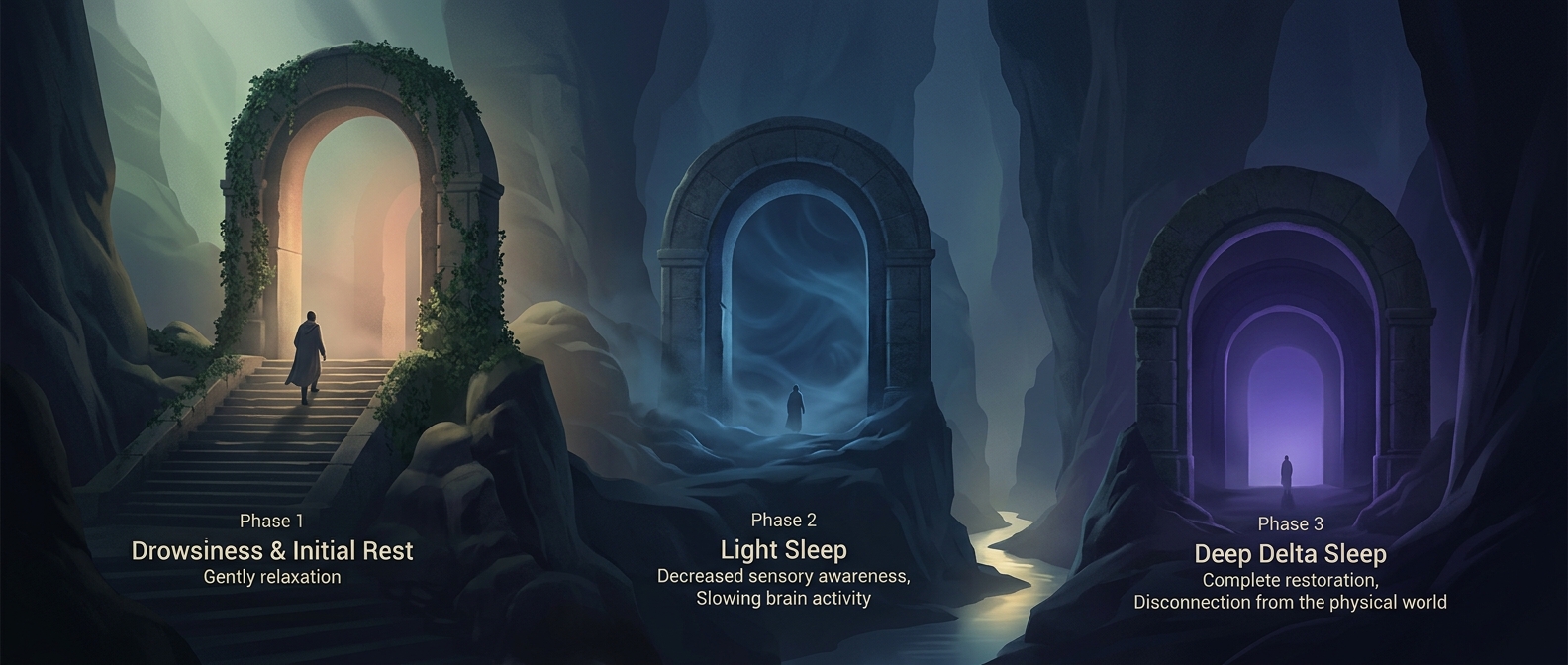
Sleep also cycles through different stages, and memory processing is not confined to one simple “practice mode.” The exact contribution of each stage depends on the task and is still an active area of research. The useful point is that a new skill can continue to change after the hands have left the instrument or the court.
Why the next practice can feel easier
After sleep, a learner may perform a practiced movement more smoothly or reliably, even without additional practice in between. That does not mean sleep can replace repetition: the brain can only reinforce and refine patterns that practice has begun to build. Nor does every person or task show the same overnight improvement.
A practical consequence is that spacing practice across days gives the brain time to consolidate between sessions. The next attempt is not always a fresh start; it may begin with a skill that has had hours to settle into more usable form.