How Deep Sleep Helps Memories Last
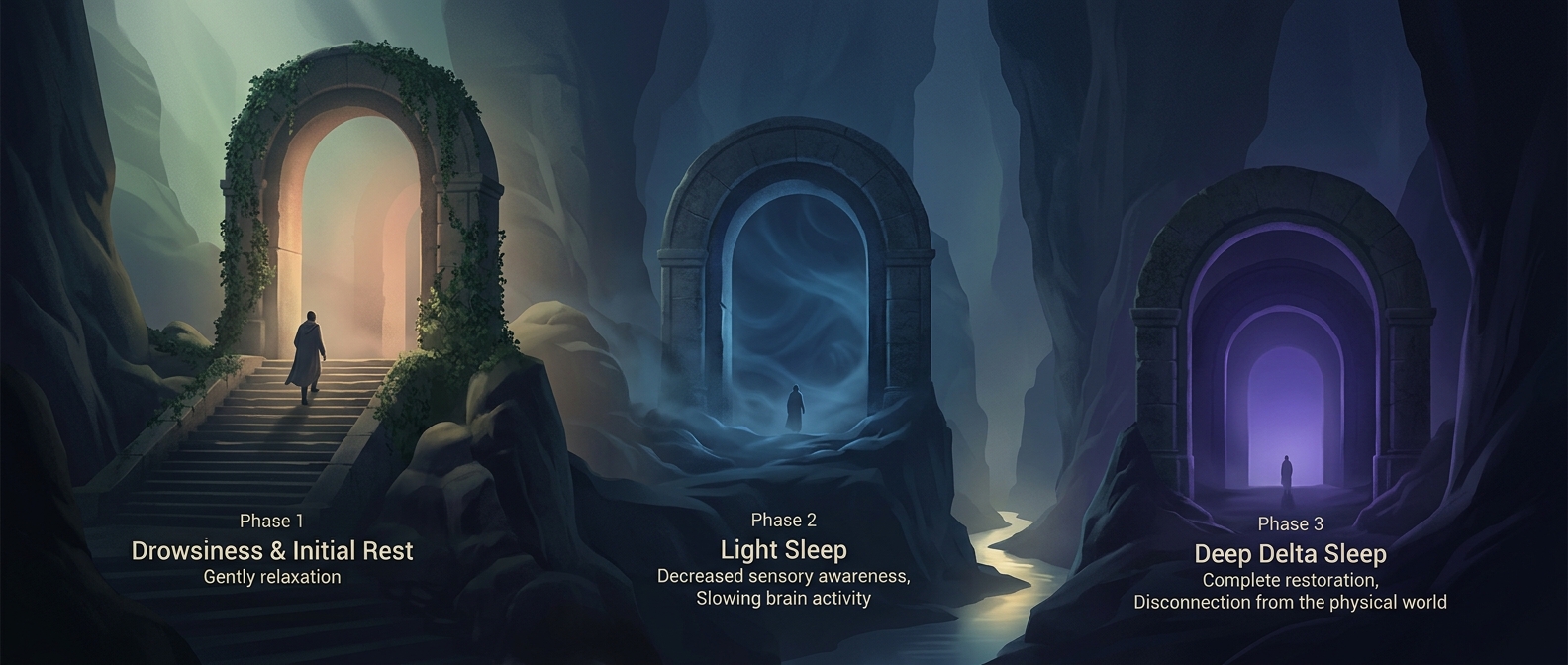
A new memory is not immediately stored like a finished file. At first, many experiences depend heavily on the hippocampus, a brain structure that helps form and organize recent memories. During deep, slow-wave sleep, the brain can reactivate patterns of activity associated with what it learned while awake. This replay helps strengthen connections and coordinate the gradual integration of some memories into networks across the cortex, the brain’s outer layer.
The Nighttime Rhythm Matters
Slow-wave sleep is named for the large, slow electrical waves that sweep through the brain during this stage. These rhythms help time brief bursts of activity called sleep spindles. Together, the patterns are thought to help recently active networks communicate, making it easier for a memory to become less dependent on its initial, temporary support.
The process is selective: the brain does not preserve every detail equally. Information that was meaningful, repeated, or connected to existing knowledge may be more likely to endure. Sleep therefore does not simply replay the day like a recording; it helps reorganize what was learned.
Not Every Kind of Memory Follows the Same Route
Deep sleep is especially associated with stabilizing certain newly learned facts and experiences, but memory is not one single system. Skills, emotional memories, and other forms of learning can involve different brain processes and sleep stages. Consolidation also unfolds over time, rather than being completed in one night.
The practical consequence is that sleep after learning gives the brain time to work on new information. A memory that feels fragile when first acquired may be easier to retain after this overnight reorganization—not because sleep adds the missing experience, but because it helps the brain preserve and connect what was already learned.