How REM quiets the body
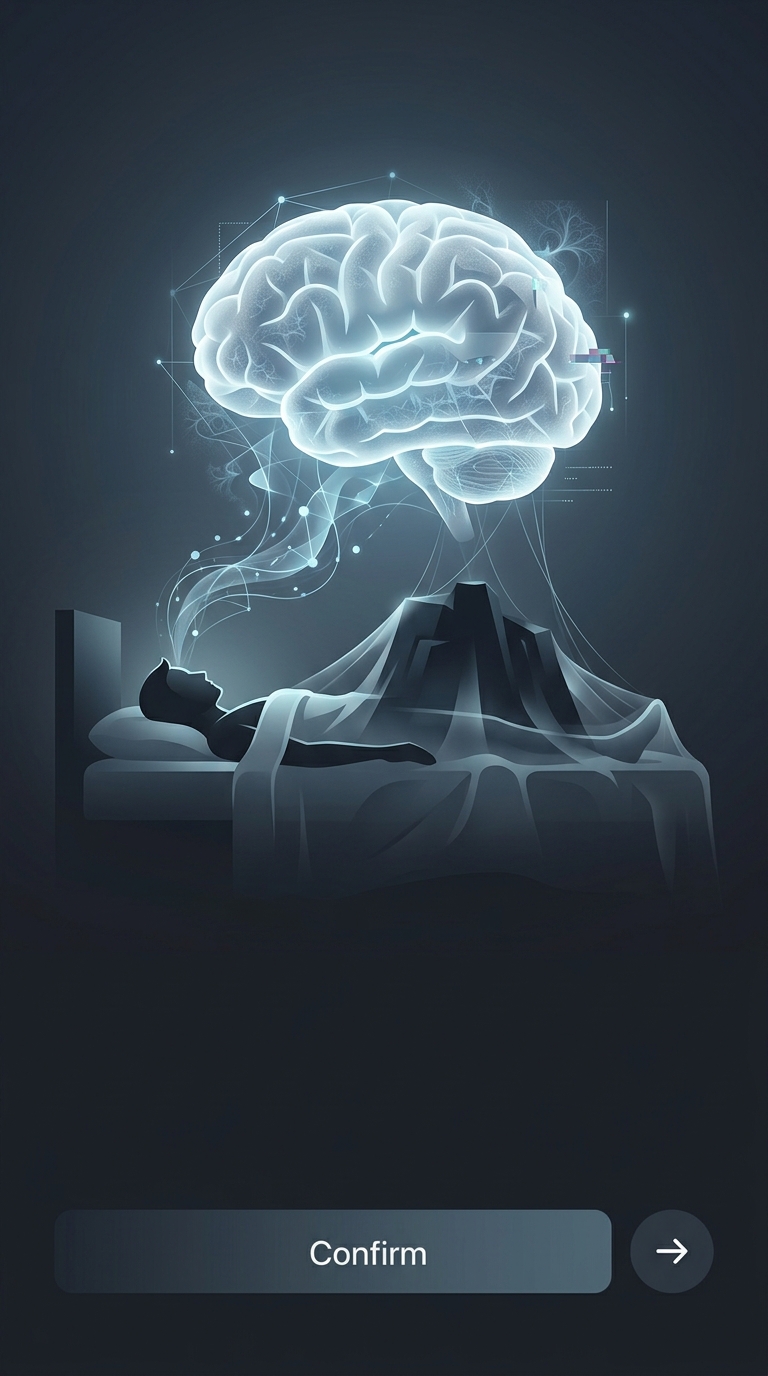
During REM sleep, the brain is active, but most of the body’s large muscles are temporarily kept from moving. Circuits in the brain stem send inhibitory signals down to the spinal cord, where they dampen the motor neurons that normally carry movement commands to muscles. Chemical messengers including GABA and glycine help deliver that brake.
The effect is selective rather than a shutdown of every muscle. The diaphragm keeps working so you can breathe, and the eyes can move rapidly beneath closed lids. Small twitches may also occur. The system mainly prevents the broad movements that could turn a dream’s chase, punch, or leap into real action.
When awareness returns first
Sleep paralysis happens when the timing of two transitions briefly falls out of step: awareness comes back while REM-related muscle inhibition remains. A person may recognize the room and want to move or speak, but the motor system is still under its temporary brake. A similar mismatch can happen as someone is falling asleep, before the mind has fully entered sleep.
Dreaming processes may also linger during the transition. That can make a dream image or sensation seem present in the room, even while the person feels awake. The experience can be frightening, but the paralysis itself is a temporary REM mechanism—not evidence that the body has stopped breathing or that a dream is physically happening.
A safeguard with an awkward edge
REM atonia is useful precisely because dreams can involve movement while the brain is generating vivid scenes. But the safeguard depends on coordination: the movement brake must lift as wakefulness takes over. When that handoff is delayed, the same system that usually keeps a sleeper safely still can briefly make waking feel like being locked inside one’s own body.