When waking and dreaming overlap
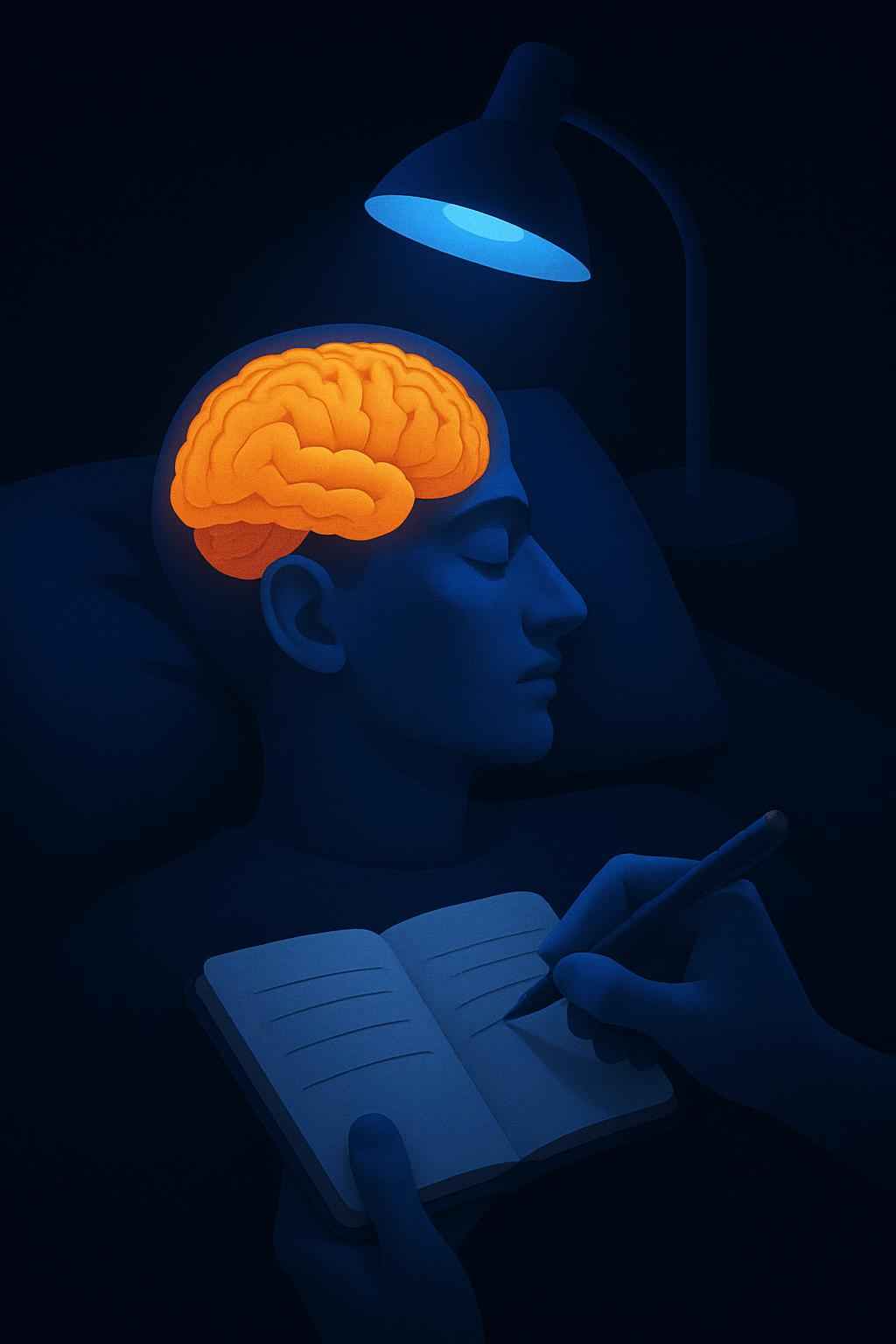
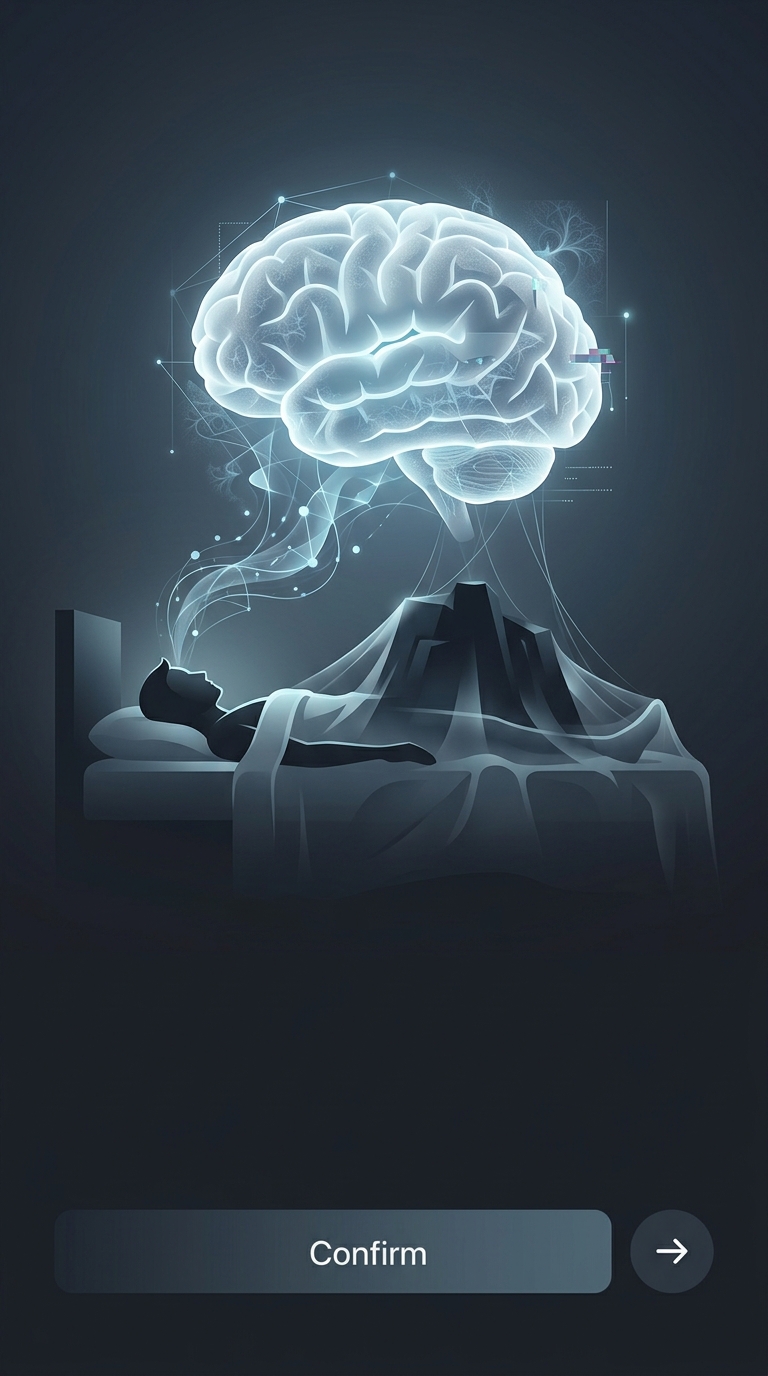
During rapid eye movement (REM) sleep, the stage in which vivid dreams are common, the brain temporarily quiets most of the muscles that move the body. This normal muscle “off switch” helps keep you from acting out your dreams. In sleep paralysis, awareness returns before that switch has lifted—or, less often, the switch engages as you are falling asleep.
You can recognize the room and want to move, but the brain’s movement commands are still being blocked. The episode usually ends as the transition between sleep and wakefulness finishes, and movement returns.
Why it can feel like someone is there
Dream activity can spill into waking perception. A shadow may seem like an intruder, or a presence may feel close by, even though you are awake enough to know you are in bed. These experiences are dreamlike perceptions produced during the sleep-wake overlap, not evidence that something is physically in the room.
The chest pressure has a related explanation. Breathing continues during REM sleep, but the muscles that help expand the chest are less active. That can make a breath feel restricted, especially when you are frightened and focused on it. The sensation can be intense even while the body continues breathing.
The episode passes as sleep fully releases
Sleep paralysis generally lasts seconds to minutes and ends on its own as normal muscle control returns. Irregular sleep, too little sleep, and disrupted schedules can make episodes more likely. If they happen often, cause substantial distress, or come with other troubling sleep symptoms, a health professional can help assess what is going on. The striking part is the timing: for a short while, the mind is awake while the body is still following REM sleep’s rules.