The useful part happens after the shower
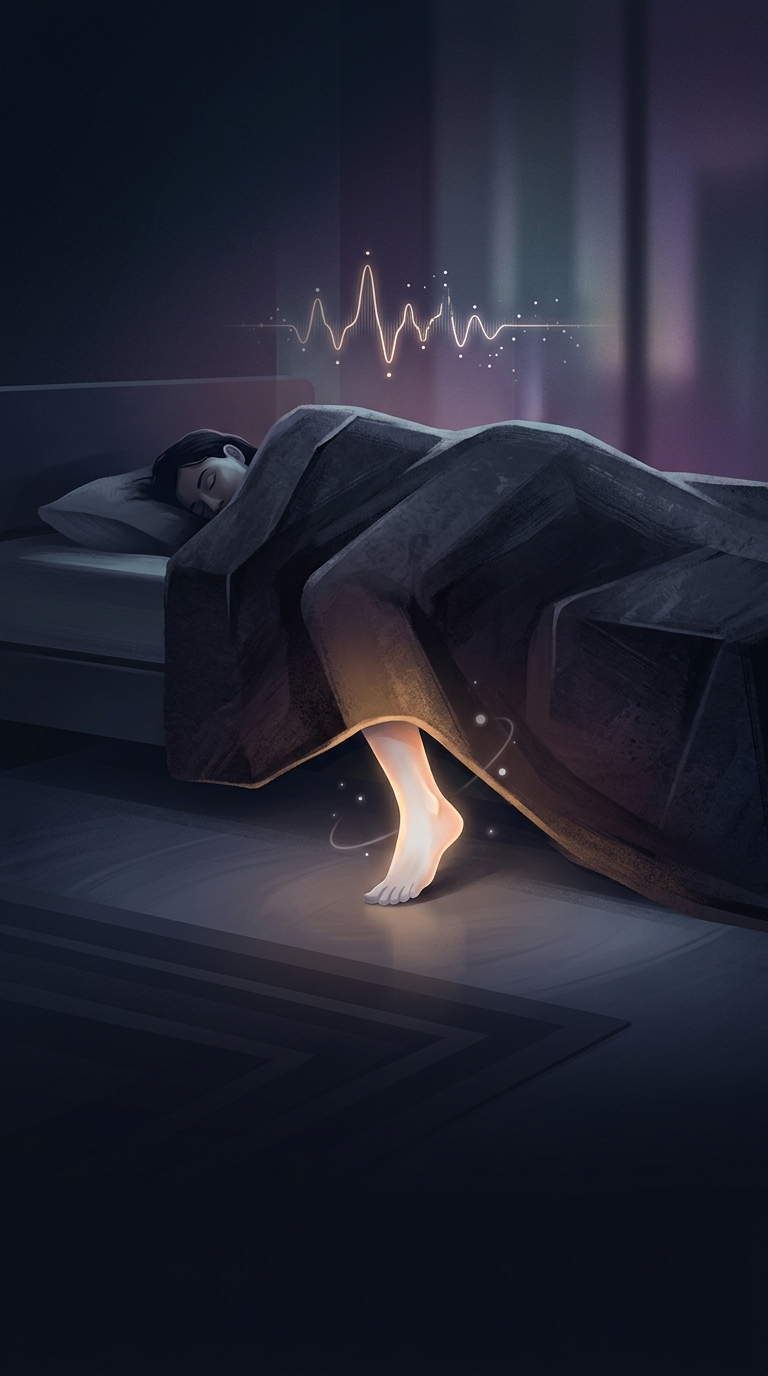
Sleep is closely tied to the body’s daily temperature rhythm. As bedtime approaches, core temperature—the temperature of the body’s interior—normally begins to fall. A warm shower can encourage that shift, but the cooling afterward is the key: warmed skin lets heat escape, helping the body move toward the cooler state associated with sleep.
This is why stepping out of the shower matters. The bathroom may feel warm, and your skin may still feel heated, while your body is already shedding heat through the skin’s widened blood vessels.
Timing leaves room for the change
A shower taken right before getting into bed may leave you feeling hot or uncomfortable. Giving your body time to cool can make the transition more comfortable and let the heat-release process do its work. The shower is not a sleeping pill; it supports a normal bodily change that can make settling down easier.
The effect depends on the person and the setting. A comfortably warm shower is more useful for this purpose than one so hot that it leaves you overheated. The practical cue is simple: aim to feel pleasantly warm during the shower, then comfortably cool as you get into bed.