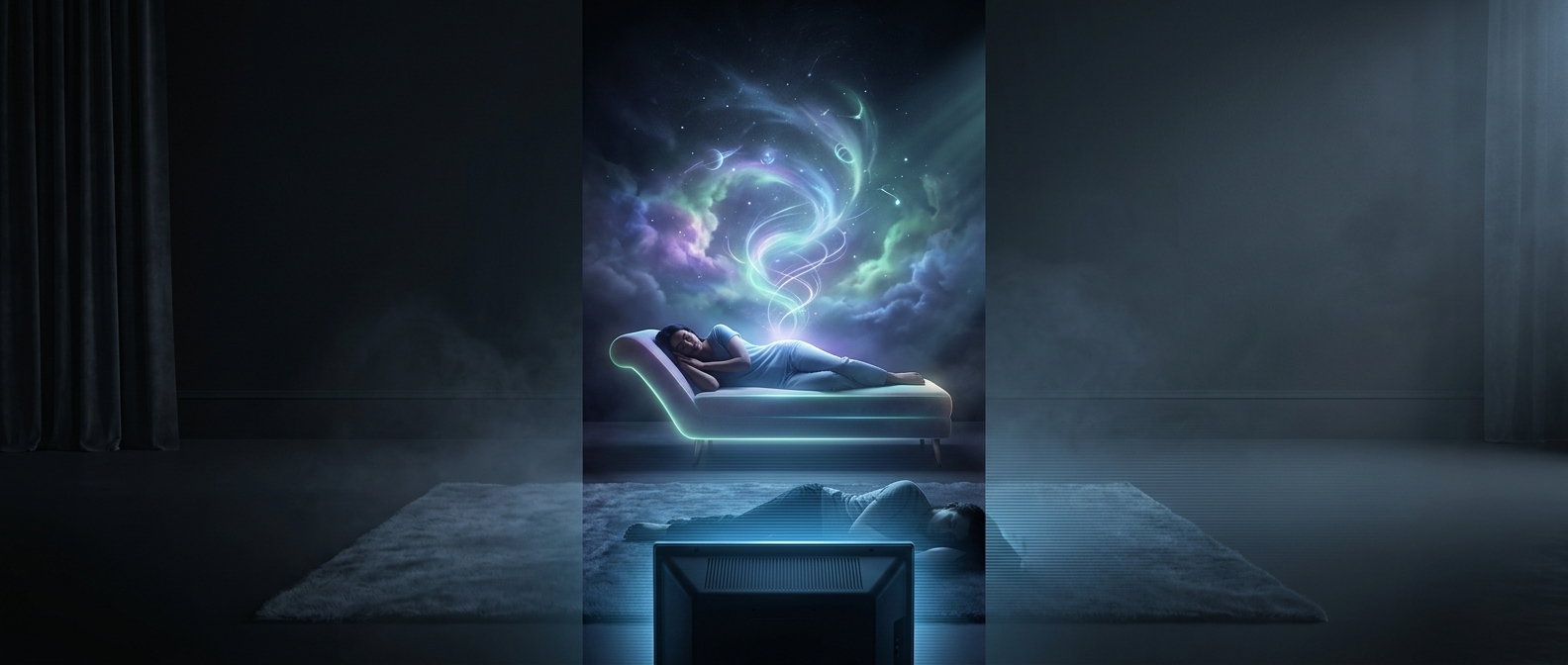
When Sleep Tracking Becomes Another Bedtime Task
A sleep tracker can turn a private, mostly unconscious process into a score to inspect each morning. That score may seem useful: it offers a record of bedtime, wake-ups, and estimated sleep stages. But it can also create a new question at the very moment the body needs to wind down: Am I sleeping well enough?
Sleep devices estimate stages using signals such as movement and, in some models, heart rate. They do not directly observe the brain activity used in a clinical sleep study. Their readings can help reveal broad patterns, but a nightly score is not a precise verdict on how restorative one night was.
Why More Measurement Can Mean More Pressure
Sleep depends partly on letting go of effort. Worrying about whether sleep is arriving can keep attention fixed on the problem; checking a display adds another cue to monitor. The device need not be inaccurate to contribute to that pressure. Even an estimate can feel like a grade, especially when someone starts treating a particular duration or stage score as a target they must hit.
Researchers and clinicians use the term orthosomnia for a preoccupation with achieving perfect sleep data. It is not simply owning a tracker or being curious about sleep. The concern is that chasing the device’s ideal can intensify anxiety and make sleep feel like a performance to manage.
Use the Pattern, Not the Score
Tracking may be more helpful when it answers a practical question over time—for example, whether a changing schedule coincides with feeling more tired—rather than judging each night in isolation. If checking the numbers increases worry, setting the device aside or turning off nightly scores can remove one source of pressure. Persistent sleep problems deserve attention on their own terms, not just a higher tracker rating.
The irony is concrete: a tool meant to protect rest can become one more thing to do before bed. Sometimes the most useful sleep metric is whether the measurement itself is helping.