Immune defenses depend on routine maintenance
The immune system is not a single dial that can be turned up. It is a network: barrier tissues such as the lining of the nose and lungs help keep germs out, while immune cells detect threats and coordinate responses. Those parts need the body’s ordinary systems—circulation, tissue repair, and chemical signaling—to keep working.
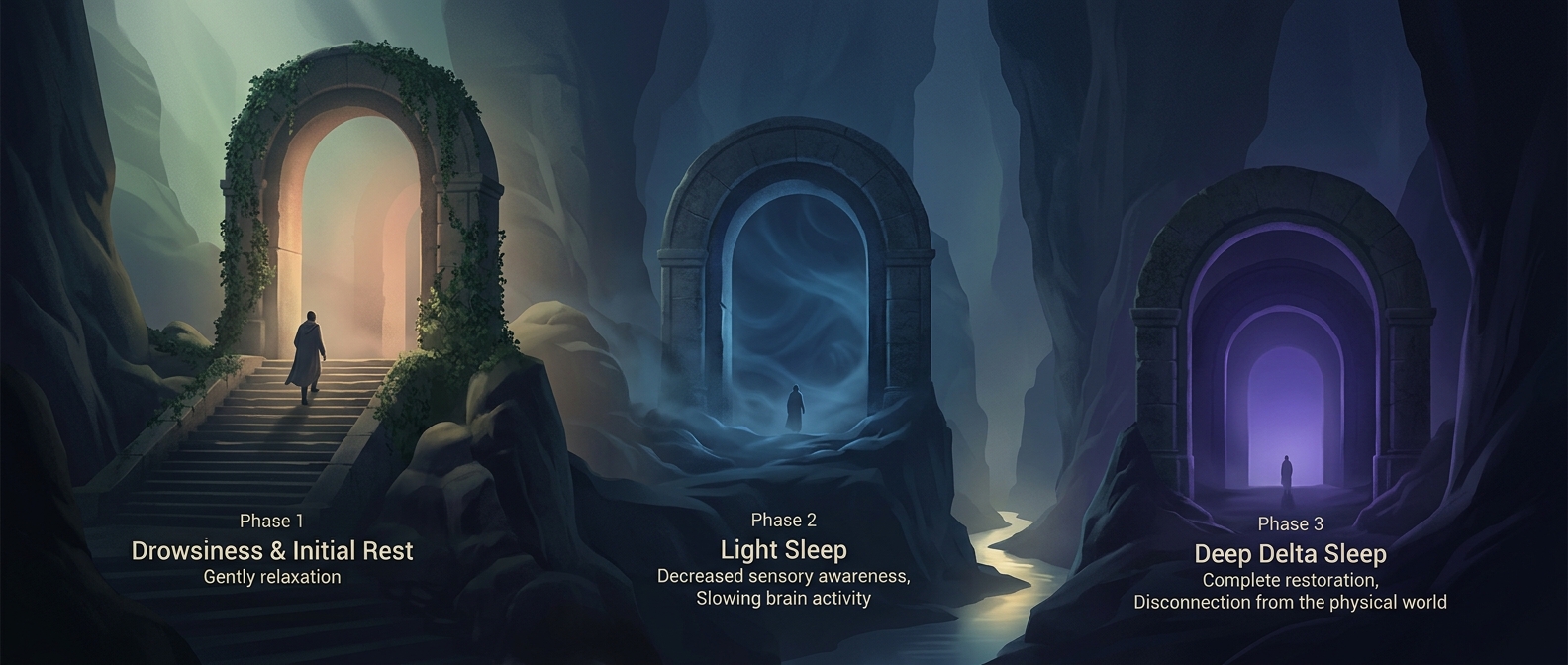
Sleep is one period when the body continues that maintenance. Immune cells and signaling molecules shift in activity across the day-night cycle, and tissues keep repairing themselves. Persistently short or disrupted sleep can interfere with these rhythms; one good night, by contrast, cannot erase an infection already underway.
Support is not the same as a boost
Water helps maintain blood and the fluid layers that protect and moisten tissues. But once a person is adequately hydrated, drinking extra water does not make immune defenses stronger. Thirst and urine color can offer rough clues about hydration, though illness, medication, and other factors can affect them.
Stress works through the body’s signaling systems, including hormones that influence immune activity. A brief stress response is normal; prolonged stress can change those signals and affect how the body regulates inflammation and responds to challenges. The effect is not a simple on-off switch, and it varies among people.
These habits matter because they support the conditions in which immune defenses operate—not because they make anyone invulnerable. Their value is steadiness: ordinary maintenance, repeated over time, rather than a last-minute remedy.