Why a Coffee Nap Takes About 20 Minutes
The idea is to drink coffee, then lie down for a brief nap—roughly 20 minutes—before caffeine’s alerting effect fully arrives. The timing lets two changes overlap: a short rest can ease sleepiness, while caffeine begins to make it harder for that sleepiness to return.
Two Different Effects on Sleepiness
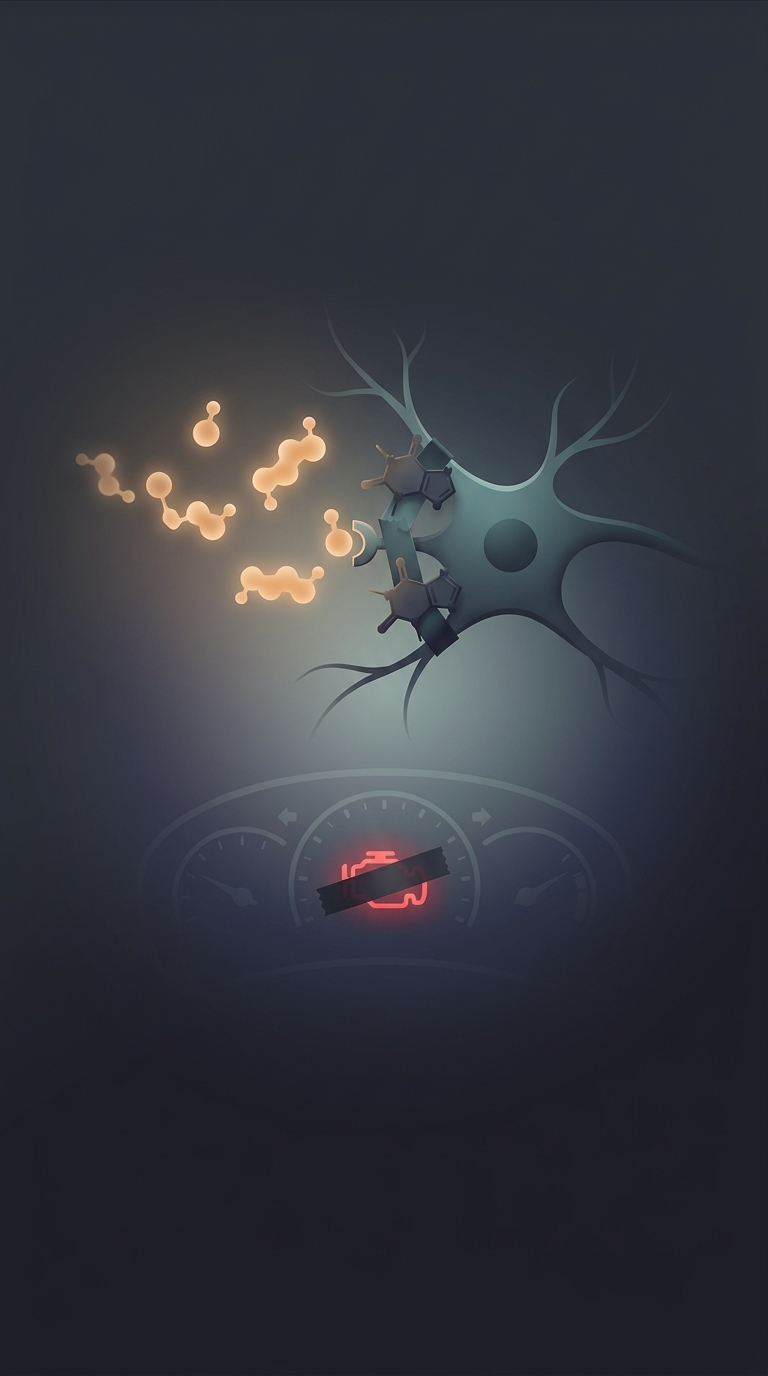
As you stay awake, a chemical called adenosine builds up in the brain and contributes to the feeling of needing sleep. Caffeine does not remove adenosine; it temporarily blocks some of the places where adenosine would attach, dulling its signal.
A nap works differently. It gives the brain a chance to rest, but keeping it short matters: a longer nap is more likely to carry you into deeper sleep, so waking can leave you groggy. With a brief nap, many people can wake before that heavier, disoriented feeling sets in.
The Timing Is a Window, Not a Stopwatch
Caffeine needs time to be absorbed and reach the brain, so drinking coffee immediately before settling down can make the effects arrive near wake-up. That does not make 20 minutes a guaranteed threshold. How quickly caffeine takes effect—and whether a person can fall asleep at all after drinking it—varies.
The practical point is the sequence: take caffeine, rest briefly, then get up as its effect begins. It is a short-term alertness strategy, not a replacement for adequate sleep; its usefulness comes from pairing a modest rest with caffeine’s delayed arrival.