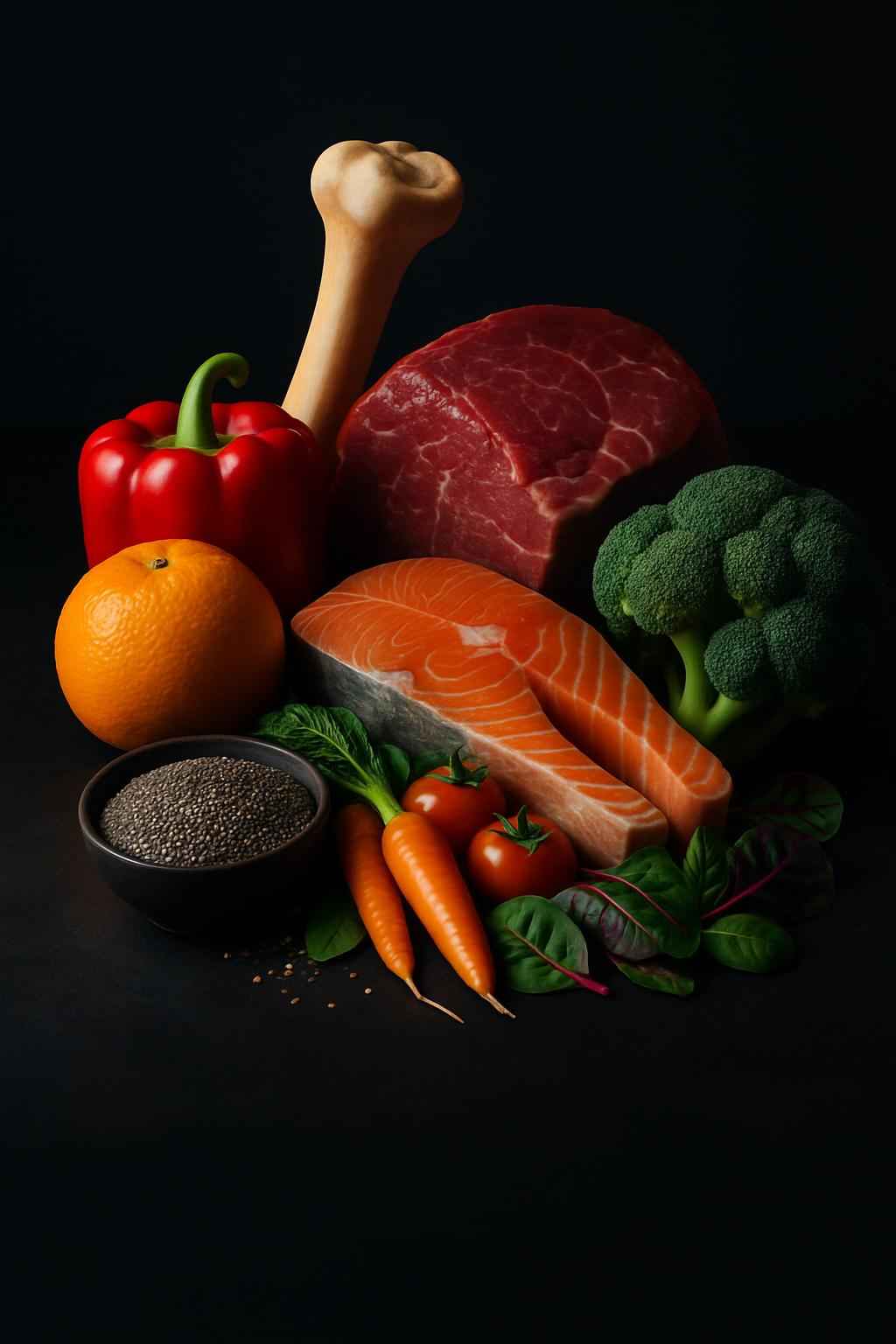
How vitamin C helps unlock iron in plant foods
Iron in lentils, spinach, beans, and other plants is mostly non-heme iron. It is not packaged in the same form as the heme iron found in meat, and the digestive system generally absorbs it less readily. The amount your body takes up depends not only on how much iron a meal contains, but also on what else is eaten with it.
Vitamin C can improve the odds. In the stomach and small intestine, it helps keep iron in a more soluble, absorbable form and can counter some compounds in plant foods—such as phytates—that bind iron and make it harder to take up. The vitamin C does not add iron; it helps make some of the iron already in the meal more available to the gut.
Why a squeeze of lemon can matter
Adding lemon juice to lentils or spinach, or serving a bell pepper alongside them, puts vitamin C in the same meal as the iron. That timing matters because the two nutrients can interact during digestion. A lemon wedge on the plate is therefore more than flavor: it can help the body absorb a greater share of the meal’s plant-based iron.
The effect depends on the whole meal, and it does not turn plant iron into meat iron or guarantee that every person absorbs the same amount. But pairing an iron-rich plant food with a vitamin-C-rich ingredient is a simple way to make more of that meal’s iron available.