The body becomes an inner cosmos
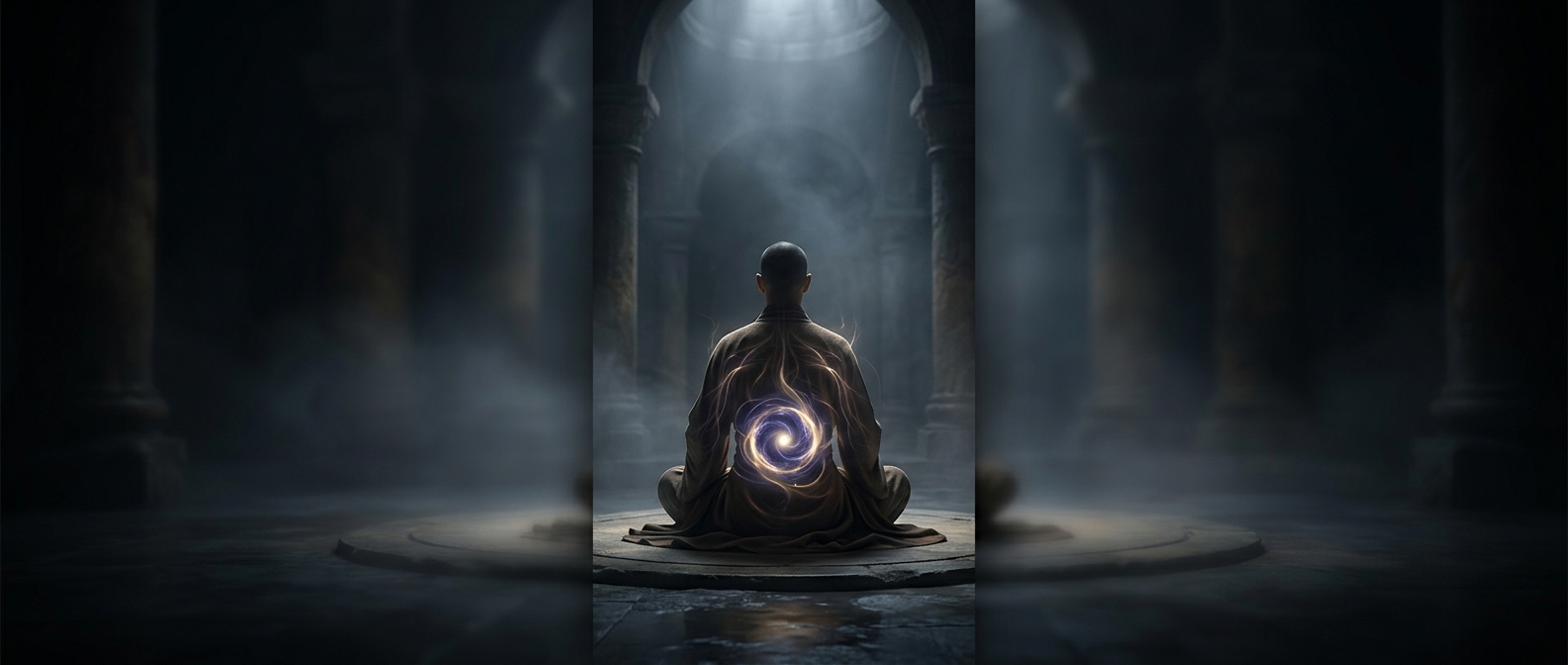
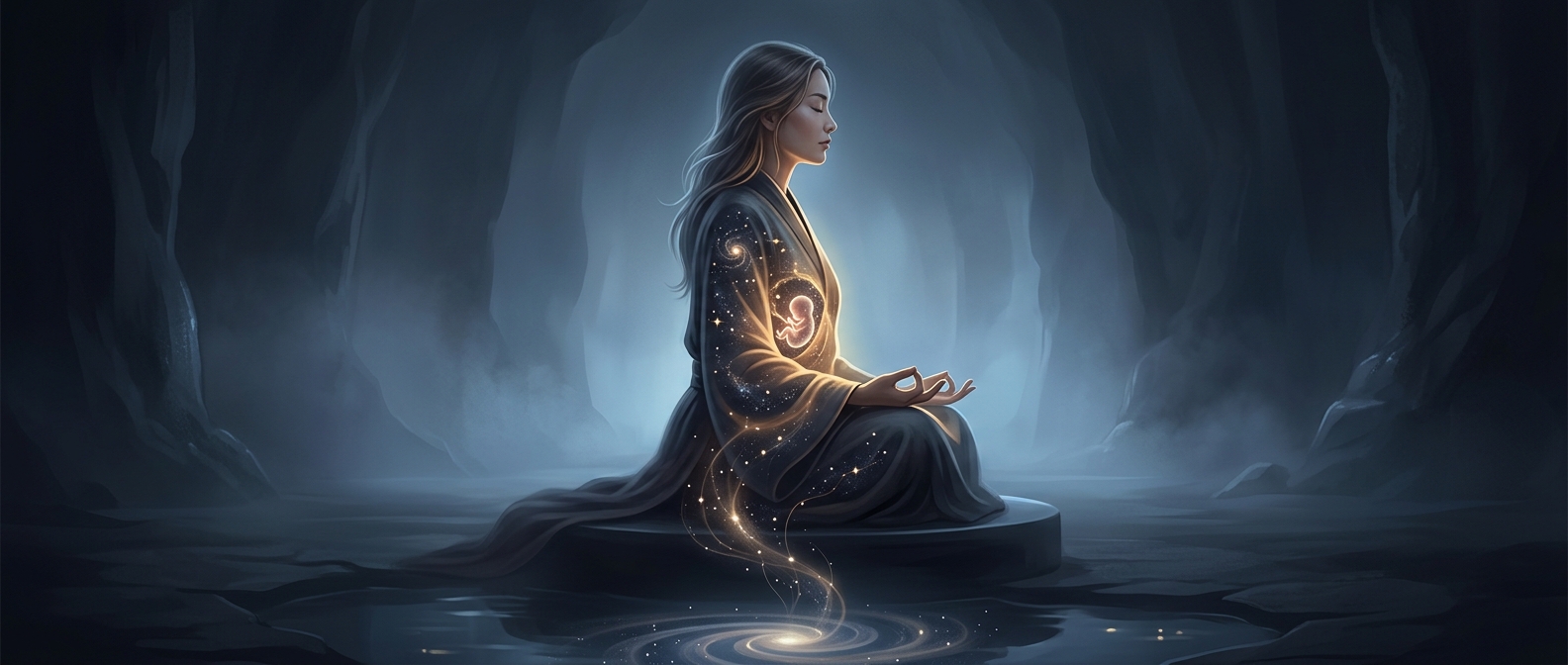
In Daoist inner alchemy, the body was not merely a container to be purified. Practitioners could imagine it as a landscape of forces and celestial patterns, with breath and qi—the vital energy understood in Daoist traditions—as parts of an internal process of transformation. Wei Huacun’s imagery of stars within the organs gives that process a striking form: the heavens are brought inward, where they can be contemplated and cultivated.
What the “spirit fetus” signifies
The image of gestating an immortal spirit body borrows the slow, sheltered development of pregnancy. The practitioner’s ordinary self is not simply declared immortal; instead, disciplined visualization represents the formation of a refined spiritual self within the body. The “fetus” is therefore an alchemical image, not a claim that a physical second body is growing in an organ.
This inward approach also changes the meaning of the crucible. Rather than seeking a substance that would confer everlasting life when swallowed, the body itself becomes the setting for transformation. Attention, imagined movement, and the symbolic arrangement of cosmic forces make the practitioner an active participant in the work.
Why stars and organs belong together
The visualization links a human body to a larger order: organs become places within a miniature cosmos, and stars give that interior landscape celestial structure. The point is not to map anatomy in a modern medical sense. It is to make spiritual cultivation vivid and organized—something to enact through sustained inward attention. In this scheme, immortality is pictured not as a pill’s effect but as the gradual birth of a transformed self.