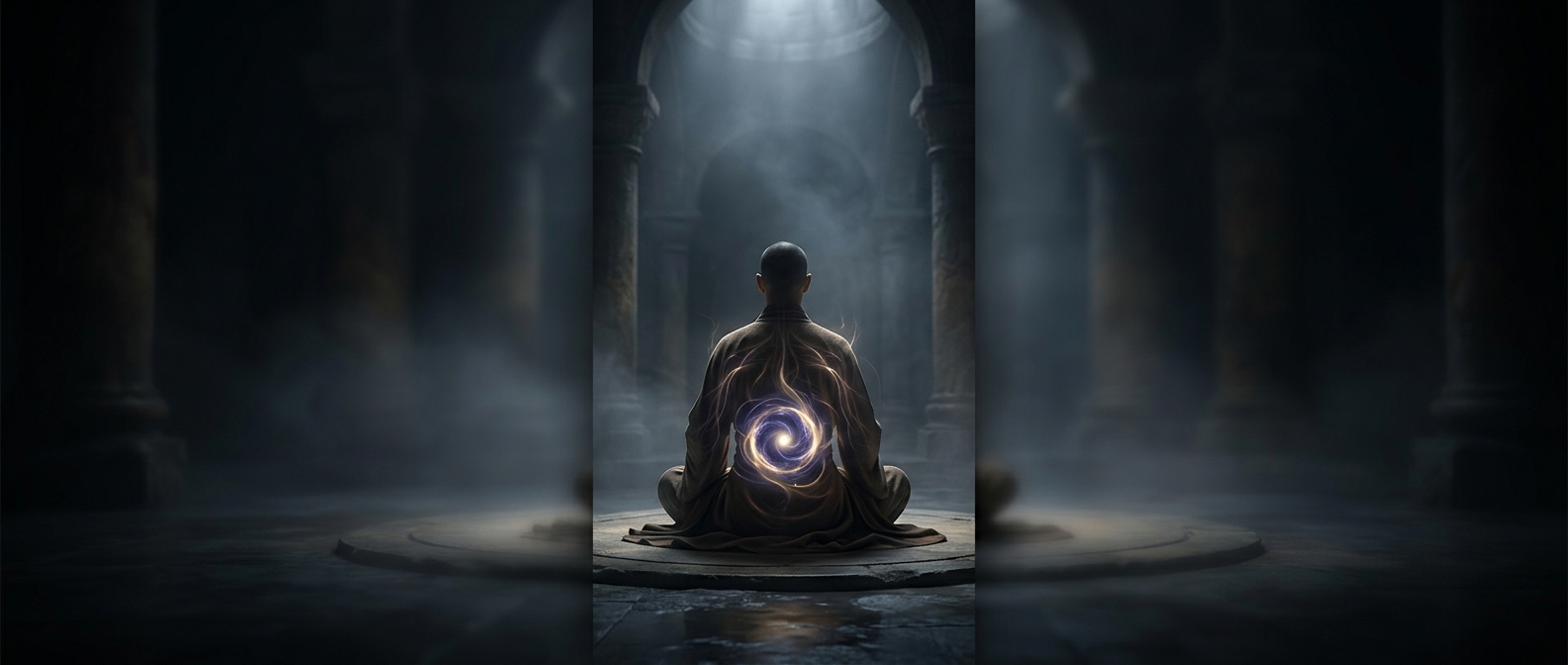
Why the Lower Dantian Is Treated as a Center
In Chinese internal arts—including some forms of qigong, tai chi, and meditation—the lower dantian is a practical and symbolic focus for attention. It is commonly located in the lower abdomen, below the navel, though descriptions of its precise position vary. The word dantian is often translated as “elixir field”: a place where vitality is cultivated, not an anatomical organ.
The idea of a reservoir changes how practitioners approach movement and breathing. Rather than imagining energy as something to send rushing through the limbs, they may picture it settling and accumulating in the lower torso. A calm, grounded posture and unforced abdominal breathing help make that area a steady point of awareness. In this framework, the “battery” metaphor means a source of cultivated capacity, not a claim about a measurable substance stored in the body.
From Image to Practice
The lower dantian can also serve as an anchor when attention wanders. During a slow movement, a practitioner might keep awareness near the abdomen while the arms and legs change position. This encourages movements to feel connected to the body’s center rather than performed as isolated gestures. In meditation, returning attention there can provide a simple focal point without requiring elaborate visualization.
Traditions differ in how they explain what is being cultivated and how the practice should be taught. The shared image is useful because it links an inner sense of steadiness with visible qualities such as balance, coordinated motion, and measured breathing. The dantian’s significance lies in that combination: it is both a traditional map of vitality and a cue for organizing attention around the body’s center.