A former seminarian built an occult system
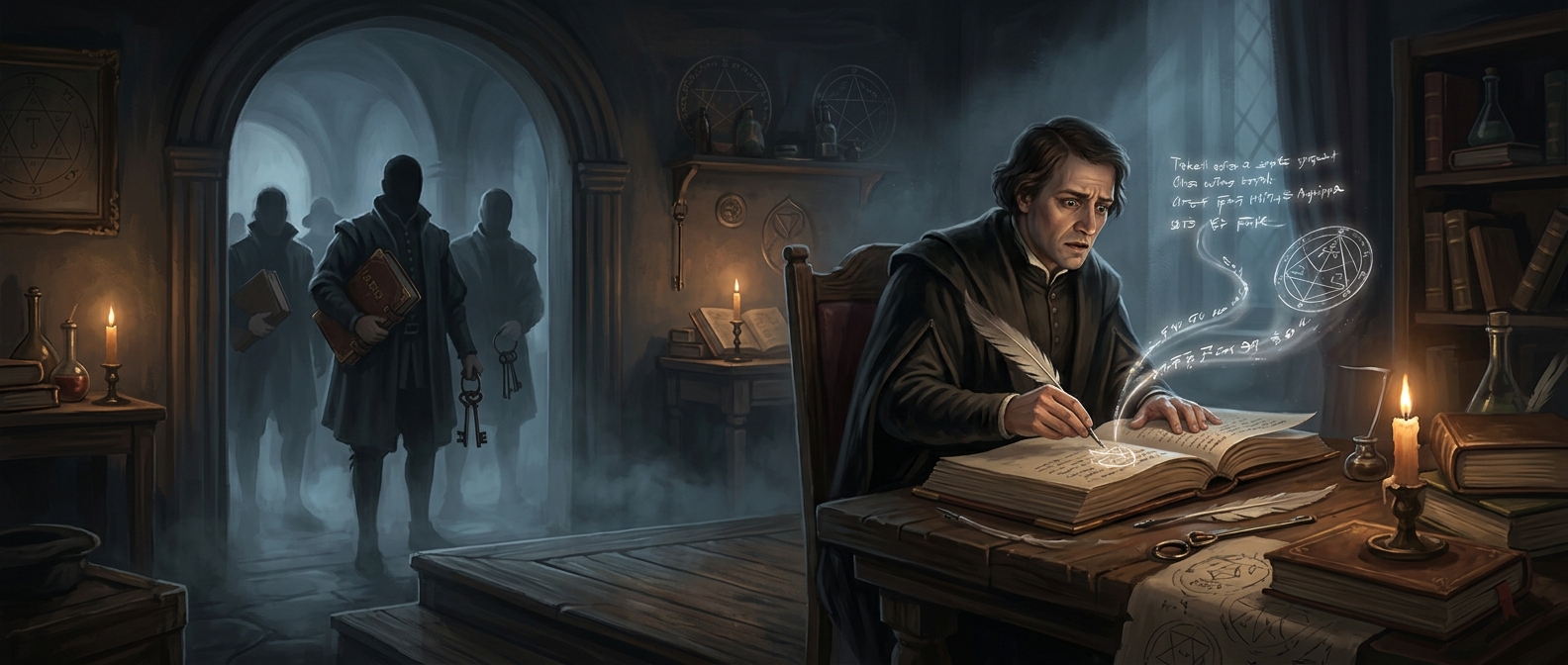
Alphonse-Louis Constant trained for the Catholic priesthood but did not become a priest. He later wrote as Eliphas Levi, a name fashioned from Hebrew forms of his own. His religious education gave him a deep familiarity with Christian symbolism and theology; his occult writing turned that knowledge toward a different kind of spiritual system.
In books published in the mid-19th century, Levi presented magic not simply as spell-casting but as a disciplined study of symbols, will, and hidden correspondences. He joined ideas drawn from older traditions into a framework that readers could interpret as a coherent practice. That synthesis helped shape what later generations recognized as ceremonial, or “high,” magic.
Turning cards and symbols into a map
Levi helped popularize the idea that Tarot cards could be read through the Kabbalah, a Jewish mystical tradition. He associated the 22 cards of the Tarot’s major arcana with the 22 letters of the Hebrew alphabet. This was an occult interpretation—not a claim that Tarot began as a Kabbalistic teaching—but it gave later writers a structured way to connect card meanings, letters, and spiritual ideas.
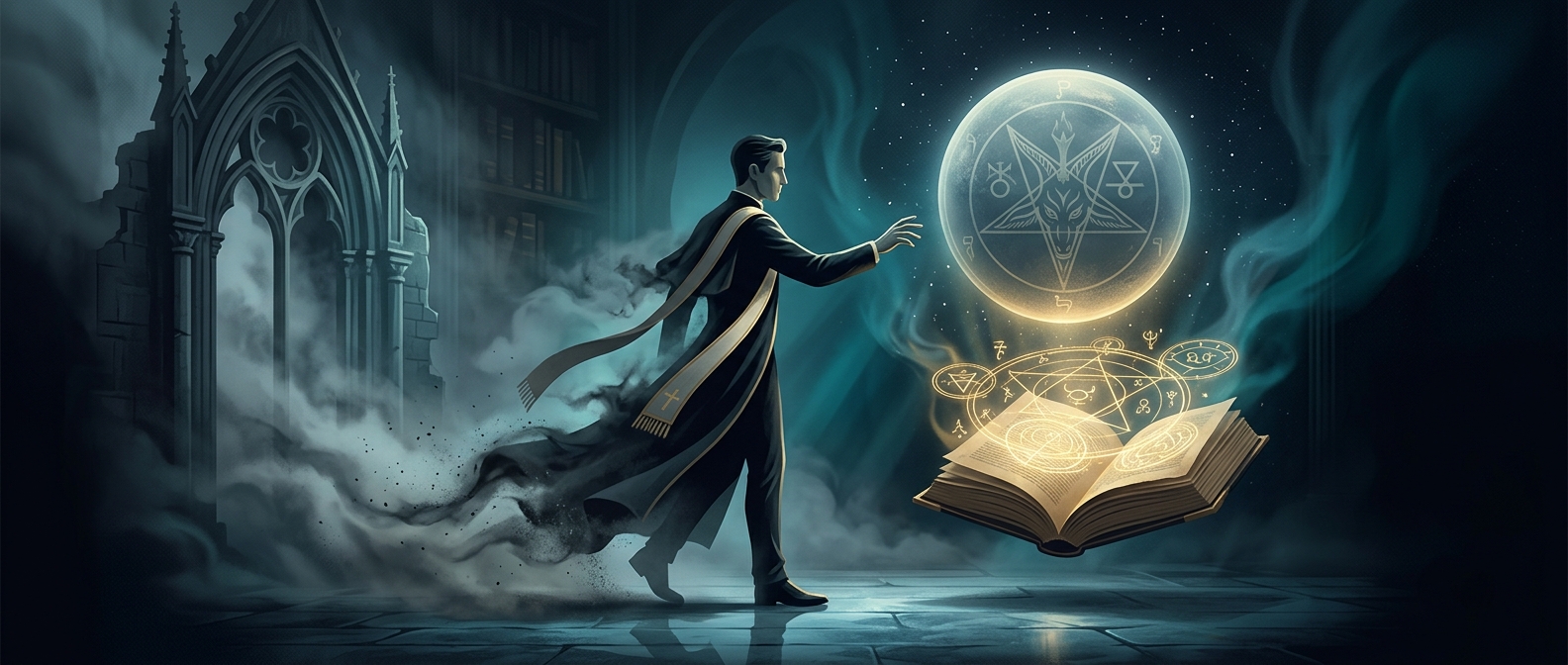
He also gave the pentagram a prominent place in occult symbolism. Rather than treating it as a simple badge of good or evil, Levi used its orientation and proportions to express ideas about the ordering of spiritual and material forces. The image became influential because it could be read as a compact diagram of a larger worldview.
Levi’s importance lies less in establishing universal rules than in making a persuasive, systematic blend of symbols. A former religious student’s command of sacred imagery helped give modern occultism a vocabulary that later practitioners could adopt, adapt, or argue against.