How Baphomet Became a Goat-Headed Figure
The name Baphomet entered European records long before it became the name of a familiar occult image. In the early 14th century, members of the Knights Templar were accused of venerating an idol called Baphomet. One proposed explanation connects the name to medieval European forms of “Mahomet,” the name then used for Muhammad. That link is plausible, but the word’s origin is not settled; it is safer to describe it as an association than as a proven, simple mispronunciation.
The accusations arose during the French crown’s crackdown on the Templars. Under interrogation, some members reportedly confessed to worshipping or honoring Baphomet, but accounts varied, and the alleged idol was never established as a single, verifiable object. The name therefore carried a charge of religious betrayal without a clear image attached to it.
Lévi Supplies the Image
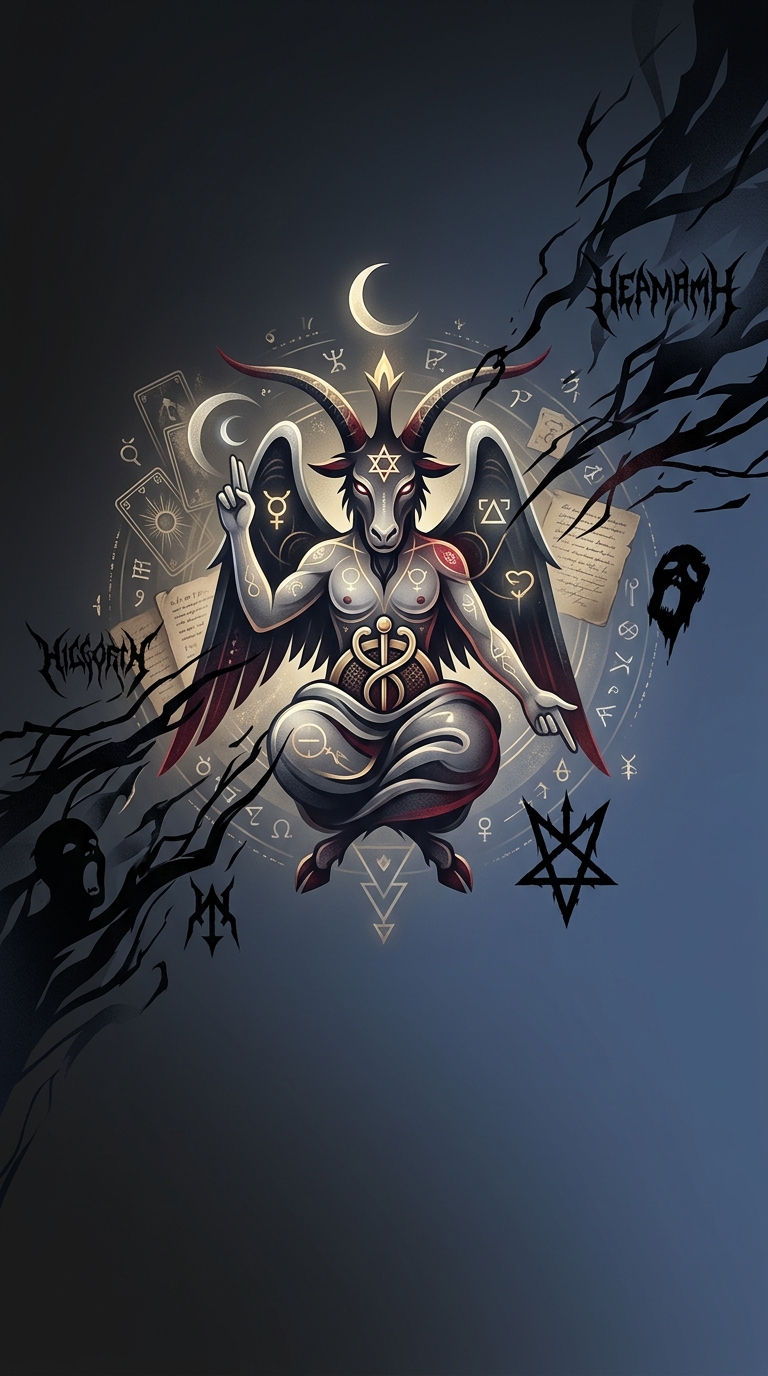
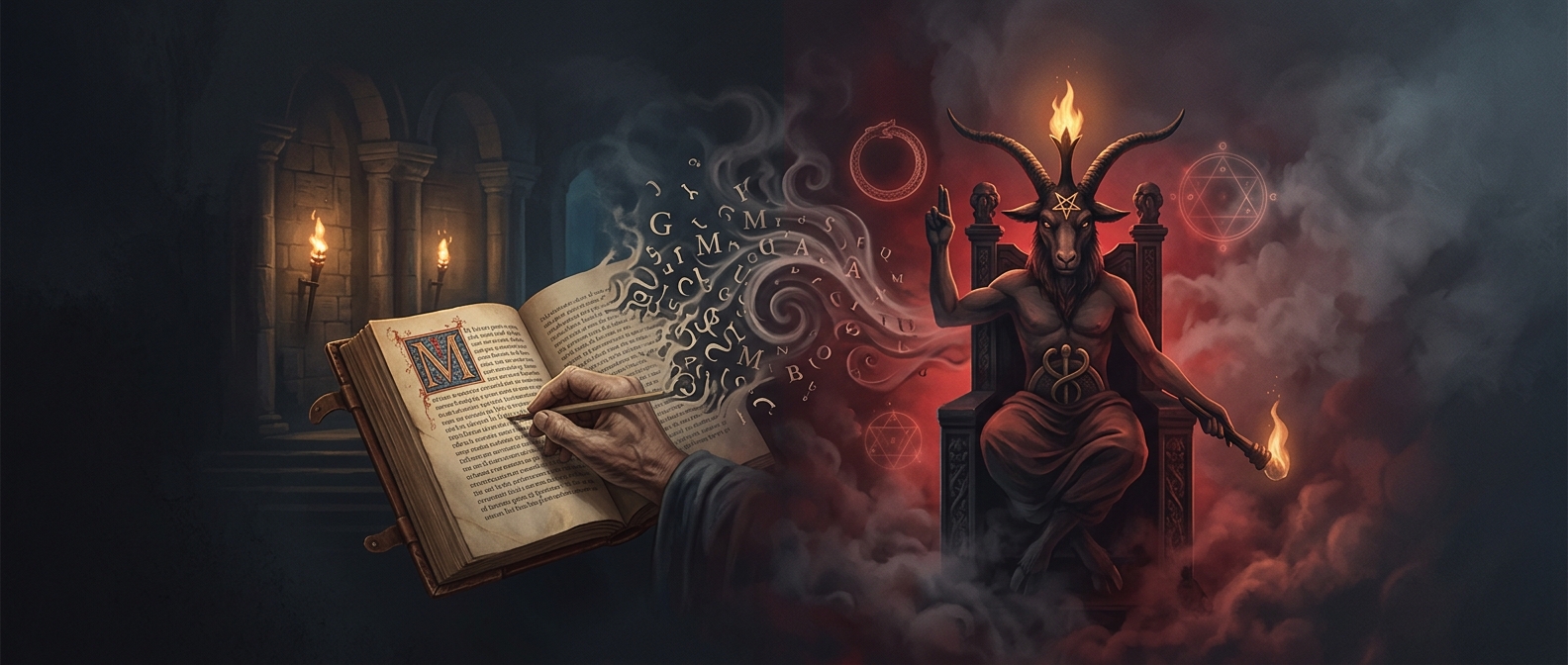
In the 1850s, French occultist Éliphas Lévi gave Baphomet the form that later became iconic: a winged, goat-headed figure with human features. Lévi was not documenting an ancient statue. He was creating a symbolic image for his own occult writing, drawing together elements associated with opposing forces—such as masculine and feminine, human and animal, or light and darkness.
That distinction explains the transformation. The medieval name had been linked to a contested accusation; Lévi turned it into a designed emblem, one meant to represent a system of ideas rather than a creature worshipped by the Templars. Later uses of the image could detach it from Lévi’s interpretation, but the familiar goat head belongs to this modern reinvention—not to any confirmed medieval portrait of Baphomet.