Kenneth Grant’s occult world beyond the ordinary
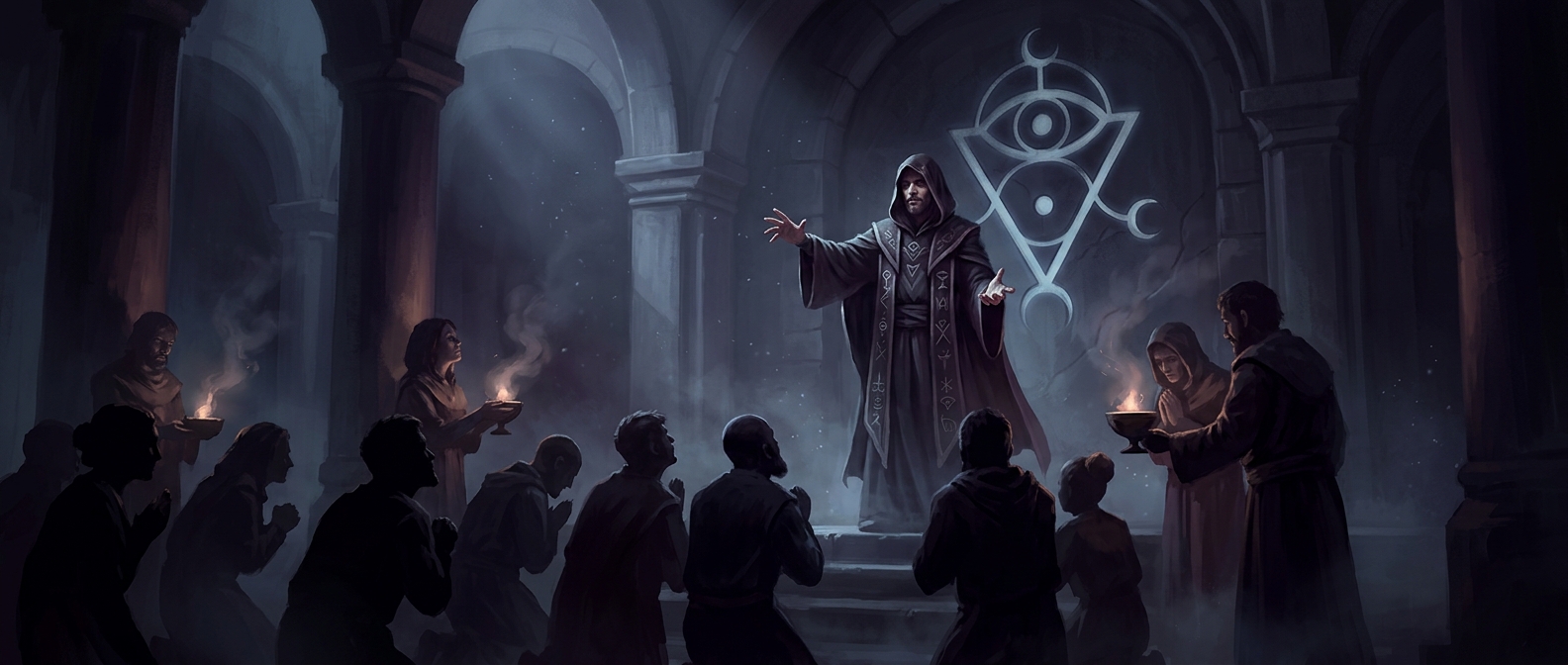
Kenneth Grant (1924–2011) was a British occult writer and ritualist who developed a distinctive branch of the Ordo Templi Orientis, or O.T.O., a fraternal organization associated with ceremonial magic. His version, often called the Typhonian current, treated occult practice not just as a set of inherited symbols but as a way to explore realities he believed lay beyond ordinary human perception.
That outlook gave Grant room to bring together material that most occultists kept separate: the teachings of Aleister Crowley, science fiction and horror, UFO lore, and imagery he regarded as ancient or cosmic. The result was less a tidy doctrine than a deliberately strange map of possible forces and worlds.
When fictional monsters became occult symbols
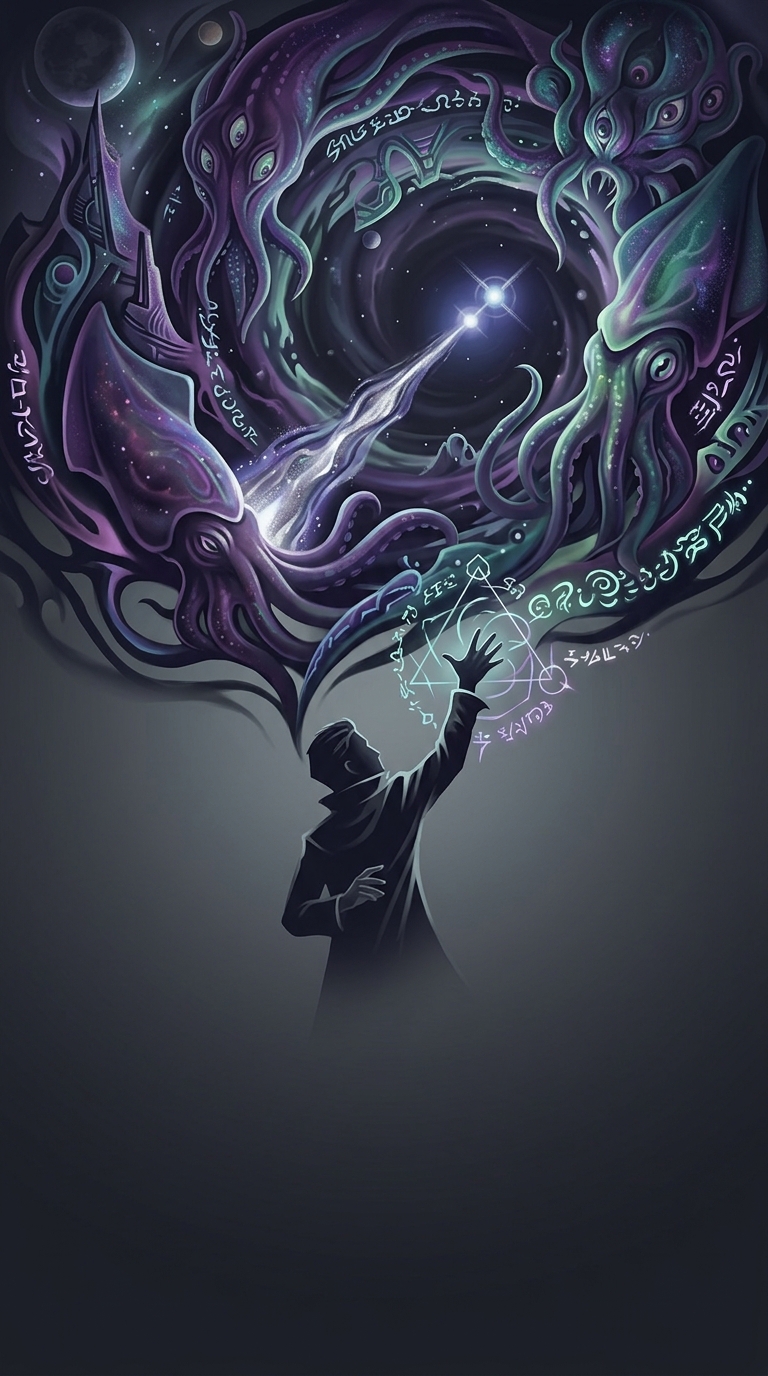
H. P. Lovecraft’s stories supplied Grant with vivid images of beings and dimensions outside human understanding. Lovecraft presented those entities as inventions in fiction; Grant read the stories as potentially resonant with occult ideas—as imaginative descriptions of powers or realities that might be encountered through ritual and altered states of awareness.
This did not mean that Lovecraft’s monsters became established religious deities. Rather, Grant treated them as symbols that could function as doors into an occult experience. UFOs and the star Sirius also entered this symbolic landscape, linking contemporary reports and cosmic imagery to his belief in hidden sources of influence.
Why combine ritual with abstraction?
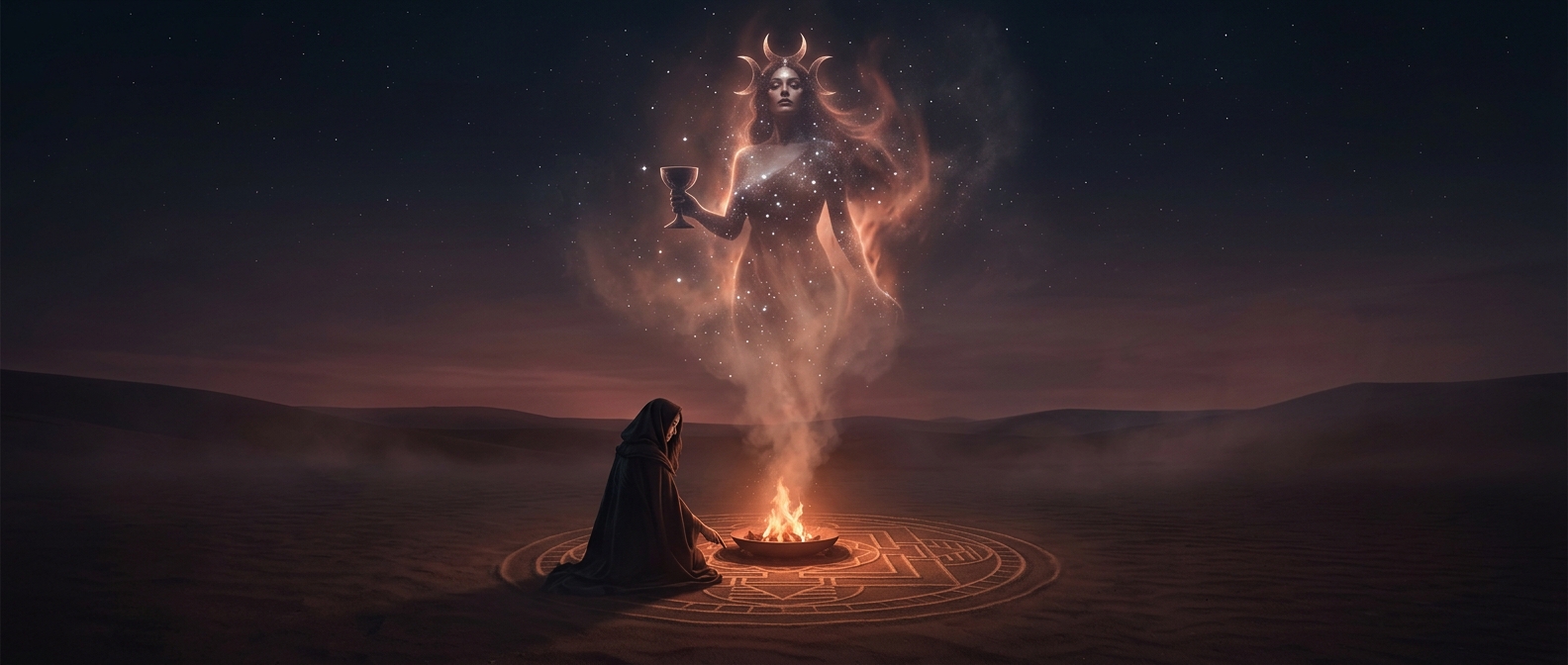
In this approach, ritual was meant to unsettle habitual ways of thinking. Unfamiliar symbols, intense imagery, and abstract art could help practitioners loosen the mind’s ordinary categories and attend to experiences they might otherwise dismiss. Grant interpreted such experiences through his occult framework, including the possibility of contact with nonhuman intelligences; that was a spiritual claim, not a demonstrated account of beings from space.
The striking consequence was a form of occultism in which a horror story could be more than entertainment: it could become working symbolic material. Grant’s project made the boundary between invented cosmic terror and spiritual possibility part of the practice itself.