Papus and the politics of the séance
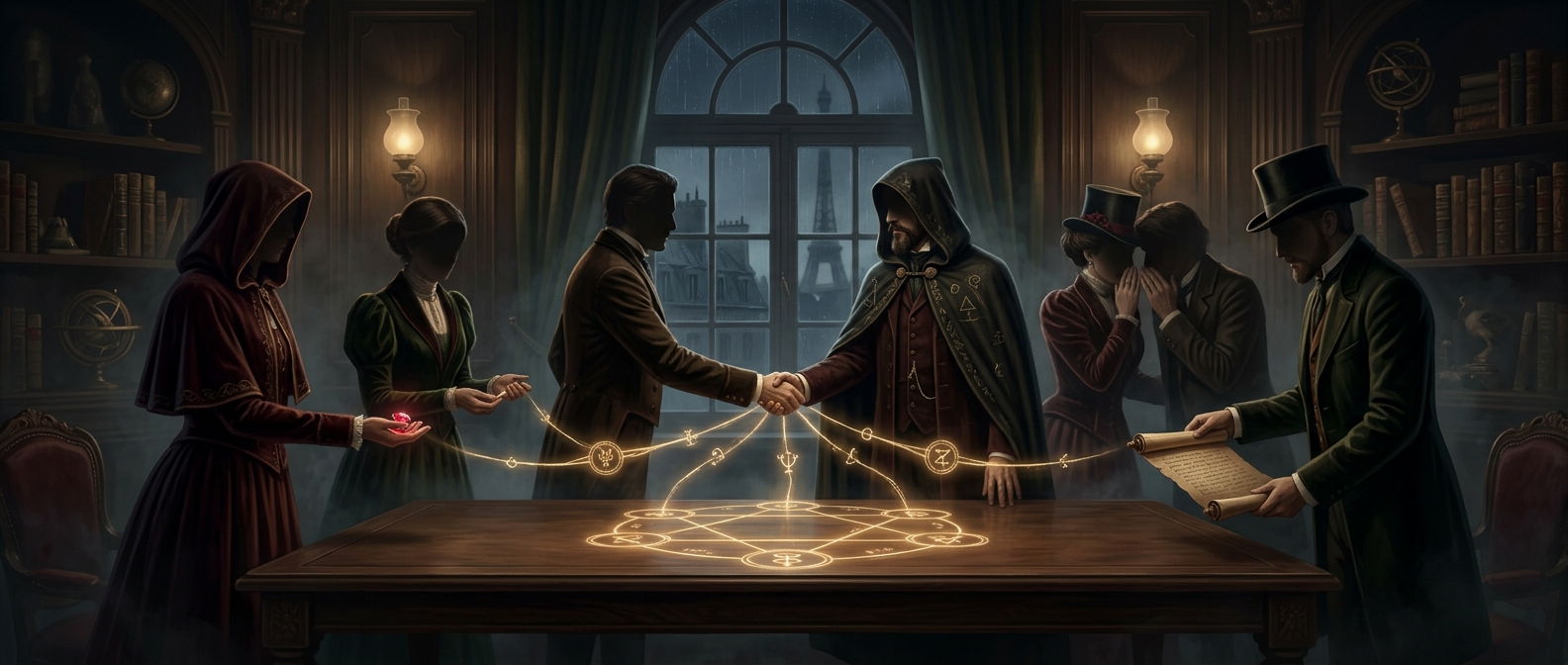
At the turn of the 20th century, spiritualism and occultism had become part of fashionable life in some European circles. A séance—an attempt to communicate with the dead—could be treated as entertainment, spiritual practice, or a source of hidden counsel. Gérard Encausse, known as Papus, built a reputation in this world and gained access to influential people in Paris and Russia.
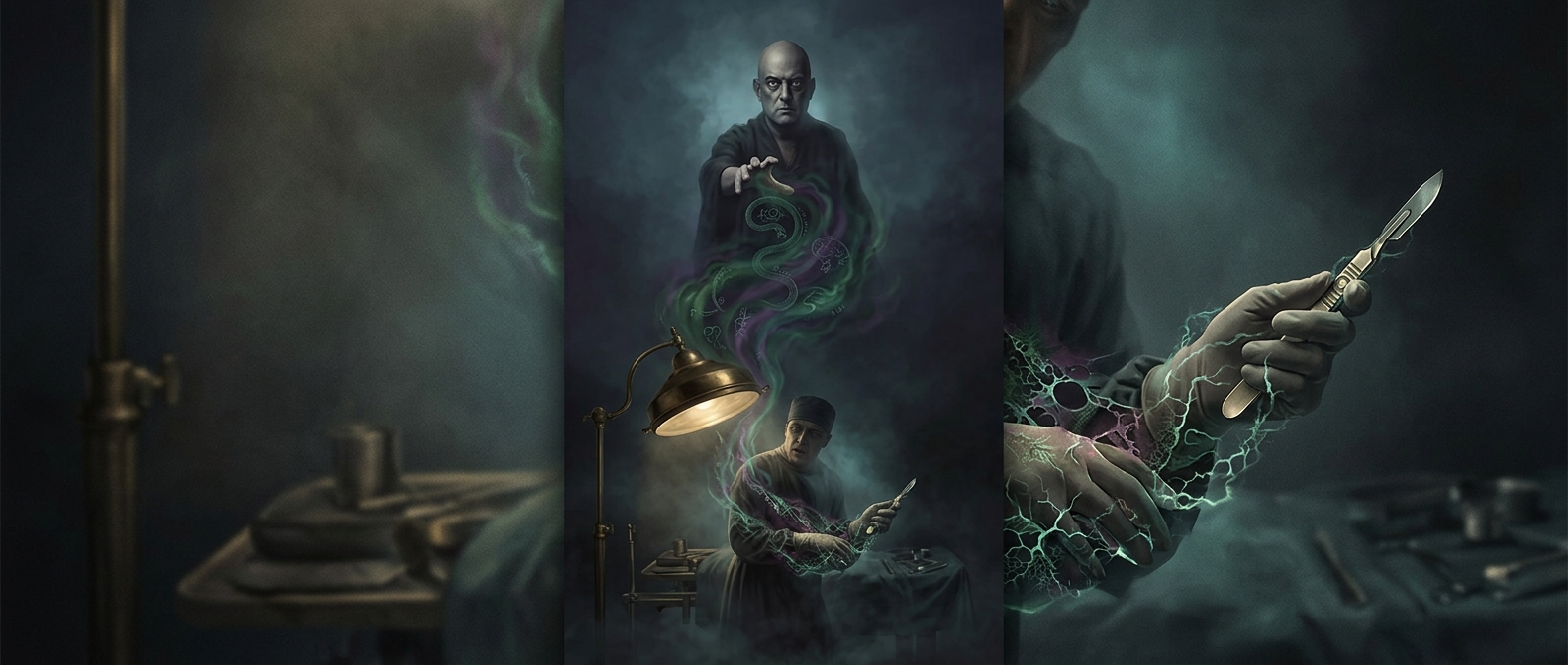
The striking claim about his Russian connections is that he held séances for Nicholas II and Alexandra, invoking Nicholas’s deceased father, Alexander III. In the story, the spirit’s counsel was to resist the uprisings threatening the monarchy. That account is reported as an occult episode, not something that can establish that a dead ruler actually spoke or directed imperial policy.
Why such advice could matter
Nicholas ruled amid mounting unrest and pressure for political change. In that setting, a séance could offer more than spectacle: it could frame a frightening political choice as guidance from a trusted predecessor. Alexander III had been the living tsar Nicholas succeeded, so an appeal to his authority could carry emotional weight even without any supernatural explanation.
The episode also shows how occult practitioners could gain influence through personal access. Papus did not need an official government post to be heard; a private meeting with the imperial couple could put his counsel close to the people making decisions. But access is not the same as control. The séance story cannot by itself show that Papus determined Nicholas’s response to unrest, or that the emperor followed the alleged instruction.
The limit of the story
Its lasting interest lies in the collision between modern political crisis and a private search for certainty. As revolution threatened the old order, the imperial family was said to seek reassurance from the dead—and to receive advice that favored force. The tale captures the atmosphere of a court anxious for guidance, while leaving the séance’s supernatural claim beyond what the account can prove.